Assistive Devices for Sexual Function: A Comprehensive Guide
Sexual health and expression are fundamental aspects of human wellbeing, regardless of physical ability or disability. For the more than 61 million Americans living with disabilities, assistive devices can play a crucial role in maintaining or enhancing sexual function, pleasure, and intimacy.
“Sexual health is a basic human right,” explains Dr. Natasha Sharma, sexual health therapist specializing in disability. “Assistive devices aren’t just about enabling physical function—they’re about empowering people to express their sexuality fully and joyfully.”
This comprehensive guide explores the wide range of assistive devices available for sexual function, their applications, benefits, and considerations for use.
Understanding Sexual Assistive Devices
Assistive devices for sexual function encompass a broad category of tools designed to enhance, enable, or facilitate sexual pleasure and intimacy for people with various physical limitations or disabilities.
Who Benefits from Sexual Assistive Devices?
While often associated with disability, sexual assistive devices can benefit many individuals:
- People with mobility limitations
- Individuals with neurological conditions affecting sensation or function
- Those with limited hand dexterity or strength
- People experiencing age-related changes in sexual function
- Individuals recovering from surgery or injury
- People with chronic pain conditions
- Those with spinal cord injuries
As noted by the United Spinal Association, “A spinal cord injury does not mean the end of your sex life; there are numerous ways to enhance sexual activity,” with assistive devices being a key component of sexual adaptation.
Categories of Sexual Assistive Devices
Sexual assistive devices can be categorized based on their primary function and the specific needs they address.
Positioning Aids
Positioning aids help users achieve and maintain comfortable positions during sexual activity, addressing mobility limitations and reducing strain.
Sex Furniture
- Wedges and Ramps: Firm, angled cushions that support the body in various positions
- Example: The Liberator Wedge and Ramp Combo, which New Mobility notes is available in plus-size formats and aids in positioning and comfort
- Specialized Sex Chairs: Designed to facilitate movement and provide support
- Example: The Intimate Rider, a sex chair specifically designed for people with physical limitations that supports various positions while promoting stability
- Positioning Pillows: Supportive cushions designed for sexual positioning
- These often feature washable covers and firm support to maintain position
Support Systems
- Slings and Harnesses: Support limbs or body weight during sexual activity
- These can be attached to stands, door frames, or ceiling mounts
- Strap Systems: Help maintain positions without strain
- Example: Thigh harnesses that can hold devices in place
- Handle Systems: Provide stability and leverage
- These can be attached to furniture or be freestanding
Michael, a C6-7 quadriplegic, shares: “The Intimate Rider completely changed our intimate life. It allows me to create movement that I couldn’t otherwise, and it’s given me back a sense of being an active participant rather than a passive recipient.”
Stimulation Devices
These devices assist with sexual pleasure and stimulation, often compensating for limited mobility or dexterity.
For Men
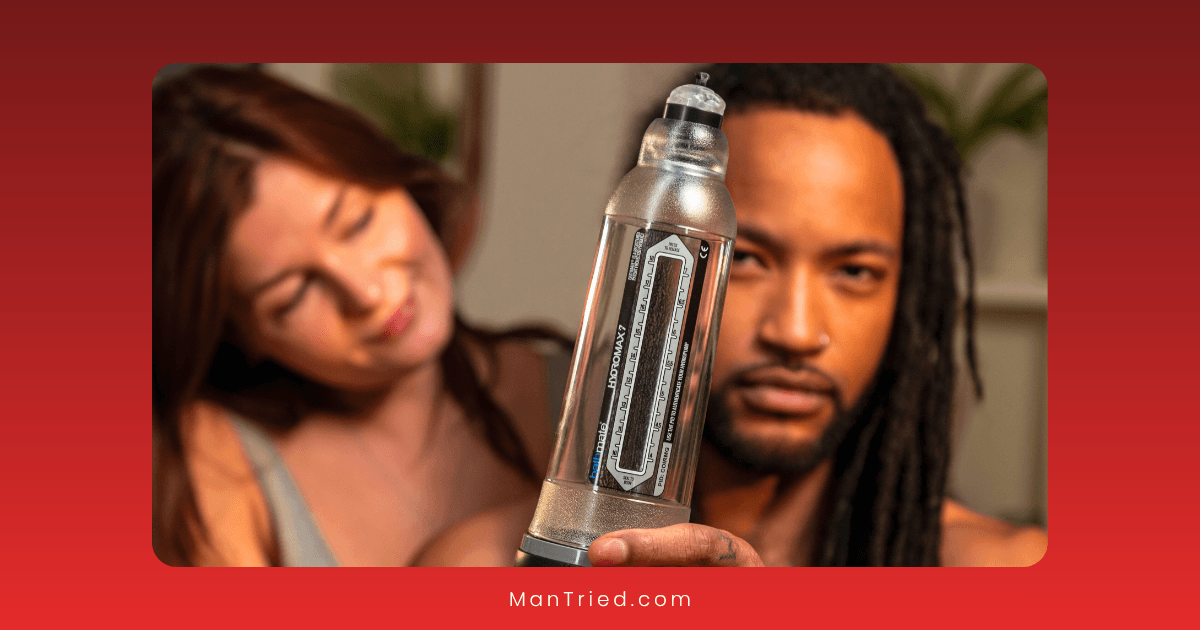
- Penis Pumps (Vacuum Erection Devices): Increase blood flow to the penis
- Available in manual or battery-operated versions
- According to United Spinal Association, these are contraindicated for individuals with peripheral vascular disease, clotting disorders, and certain other conditions
- Penis Rings: Maintain erections by restricting blood flow
- Available in various materials including silicone, rubber, and adjustable options
- Should not be worn longer than 20-30 minutes to prevent tissue damage
- Vibrating Sleeves: Provide stimulation with minimal hand movement required
- Example: The Hot Octopuss Pulse Duo Lux, which New Mobility describes as waterproof and designed for use with or without an erection
- Hollow Dildos: For men with difficulty obtaining or maintaining erections
- Allow for penetrative sex regardless of erectile function
- Interactive Devices: Connect to content or partners remotely
- Example: The KEON by Kiiroo, an interactive male masturbator that connects to adult content
For Women
- Extended-Handle Vibrators: Easier to manipulate for those with limited reach
- Example: The Quest Remote Control Flexible Vibrator, which is 12 inches long with additional connecting pieces
- Remote-Controlled Devices: Eliminate the need for constant manual manipulation
- These can often be controlled by partners or via smartphone apps
- Mounting Systems: Allow for hands-free use of devices
- Can attach to furniture or specialized stands
- Positioning Vibrators: Stay in place with minimal need for adjustment
- Example: The Quest Remote Control Bullet Style Vibrator, which includes a silicone finger aid for stability
Universal Devices
- Electro-Stimulation Devices: Provide sensation through electrical impulses
- Example: The Axis Electrastim, which can be controlled with gestures or voice commands
- Hands-Free Options: Devices that operate without manual control
- These may use pressure sensors, motion detection, or voice control
- Adaptable Attachments: Convert standard devices for easier use
- Example: Universal handles, grips, or extension rods
Adaptive Controls
For individuals with limited hand function, specialized controls can make devices more accessible:
- Large Button Controls: Easier to press for those with limited dexterity
- Switch Adaptation: Allow devices to be operated via adaptive switches
- Voice Controls: Operate devices through voice commands
- Breath Controls: Activated by breathing patterns
- Remote Options: Allow partners to control devices
Sarah, who has limited hand dexterity due to rheumatoid arthritis, notes: “Finding devices with remote controls transformed my ability to pleasure myself independently. I no longer need to ask for help, which has been incredibly empowering.”
Considerations for Choosing Assistive Devices
Selecting the right assistive device involves considering multiple factors:
Physical Considerations
- Type and Degree of Disability: Different conditions require different adaptations
- Range of Motion: Consider which movements are comfortable and possible
- Strength and Endurance: Choose devices that don’t require more strength than available
- Sensation: For those with altered sensation, consider devices with adjustable intensity
- Transfer Ability: Consider how easily you can move into position with the device
Practical Considerations
- Ease of Cleaning: Proper hygiene is essential for safety
- Storage Requirements: Consider available space and privacy needs
- Battery Life: For electronic devices, longer battery life may be important
- Noise Level: Some devices are quieter than others
- Water Resistance: For use in showers or baths
- Cost and Durability: Investment in quality often pays off in longevity
Aesthetic and Psychological Considerations
As noted by the American Occupational Therapy Association, aesthetics and individual choice in sexual health adaptive equipment are increasingly important:
- Appearance: Choose devices that feel comfortable psychologically
- Discretion: Some devices are designed to look like non-sexual items
- Personal Preference: Select devices that align with sexual preferences and desires
- Partner Considerations: Consider how a partner might feel about the device
Safety and Proper Use
Using assistive devices safely is essential for preventing injury and ensuring positive experiences.
General Safety Guidelines
- Follow Manufacturer Instructions: Always read and follow provided guidelines
- Start Slowly: Begin with shorter sessions to assess comfort and response
- Regular Inspection: Check devices for wear, tears, or damage before use
- Proper Cleaning: Follow cleaning instructions to prevent infections
- Lubrication: Use appropriate lubricants to prevent tissue damage
According to the United Spinal Association, “Ample lubrication is crucial to prevent injury to sensitive tissues during sexual activity,” especially for individuals with spinal cord injuries who may experience decreased natural lubrication.
Special Considerations for Specific Conditions
- Spinal Cord Injury: Be aware of autonomic dysreflexia risk, especially for injuries at T6 and above
- Reduced Sensation: Check for injury or pressure points regularly
- Circulatory Issues: Use caution with constricting devices like penis rings
- Skin Sensitivity: Choose hypoallergenic materials and check for reactions
Communication with Partners
Using assistive devices with partners requires open communication:
- Introducing Devices: Discussions about incorporating devices into partnered activities
- Instruction: Teaching partners how to use or help with devices
- Feedback: Creating comfortable ways to communicate about what works
- Normalizing: Framing devices as enhancements rather than replacements
Robert, who uses assistive devices with his partner following a stroke, shares: “The key was talking about these devices as ‘our toys’ rather than ‘my medical equipment.’ That small shift in language made a huge difference in how we both felt about incorporating them into our intimate life.”
Obtaining and Customizing Assistive Devices
Working with Healthcare Professionals
- Occupational Therapists: Can provide guidance on device selection and adaptation
- Physical Therapists: May help with positioning strategies
- Sex Therapists: Can address psychological aspects of device use
- Urologists or Gynecologists: May recommend specific medical devices
The PleasureABLE Sexual Device Manual notes that healthcare clinicians can use this resource to facilitate discussions about sexual health for individuals with disabilities.
Purchasing Options
- Specialized Retailers: Stores focusing on adaptive sexual devices
- Mainstream Adult Retailers: Many now carry adaptive options
- Medical Supply Companies: For devices that may be covered by insurance
- Direct from Manufacturers: Often provides the most customization options
Customization and Adaptation
- Working with Occupational Therapists: For personalized adaptations
- DIY Modifications: Simple adaptations like adding grips or extensions
- Custom Orders: Some manufacturers offer customization services
- 3D Printing: Emerging option for custom adaptations and parts
Beyond the Physical: Psychological Aspects
Assistive devices address physical needs, but the psychological dimension is equally important:
Addressing Self-Image
- Redefining Sexuality: Expanding beyond traditional concepts of sexual activity
- Body Acceptance: Embracing sexuality with disability
- Confidence Building: Successful experiences with devices can build sexual confidence
Overcoming Barriers
- Internalized Ableism: Challenging beliefs that disability and sexuality don’t mix
- Partner Concerns: Addressing worries about device use in relationships
- Privacy Issues: Managing when caregivers are involved in daily life
Resources for Further Information
Several comprehensive resources provide detailed information about sexual assistive devices:
- PleasureABLE Sexual Device Manual for Persons with Disabilities: A practical resource including research, clinical expertise, and product information
- United Spinal Association Resource Center: Detailed information about sexual aids and adaptations
- Disability Resources Organization: Comprehensive listing of resources about sexuality and disability
- Intimate Rider Resources: Specific information about sex positioning devices
Emerging Innovations
The field of assistive devices for sexual function continues to evolve:
Technological Advances
- Smart Devices: App-controlled with customizable settings
- Teledildonics: Devices that can be controlled remotely for long-distance intimacy
- Virtual Reality Integration: Enhancing experiences through VR
- Adaptive AI: Devices that learn and respond to individual preferences
Design Innovations
- Universal Design Principles: Creating devices usable by people with various abilities
- Inclusive Aesthetics: As noted by the American Occupational Therapy Association, there’s increasing focus on aesthetics and individuality in assistive devices
- Sustainable Materials: Eco-friendly options becoming more available
- Multi-functional Designs: Devices that adapt to different needs and preferences
Conclusion: Empowerment Through Adaptation
Assistive devices for sexual function represent far more than mechanical aids—they are tools for empowerment, self-expression, and connection. By bridging physical limitations, these devices help ensure that sexuality remains an accessible aspect of human experience for everyone.
As Dr. Sharma emphasizes, “The goal isn’t to approximate some ‘normal’ version of sexuality, but rather to discover what brings pleasure and fulfillment in one’s unique body and circumstances. Assistive devices are simply tools in that journey of discovery.”
With the right information, support, and devices, individuals with disabilities or functional limitations can enjoy rich and satisfying sexual experiences that affirm their full humanity and right to pleasure.
Have you found particular assistive devices or adaptations helpful for sexual function? Share your experiences in the comments below.