The Impact of Minority Stress on Sexual Function in LGBTQ+ Men
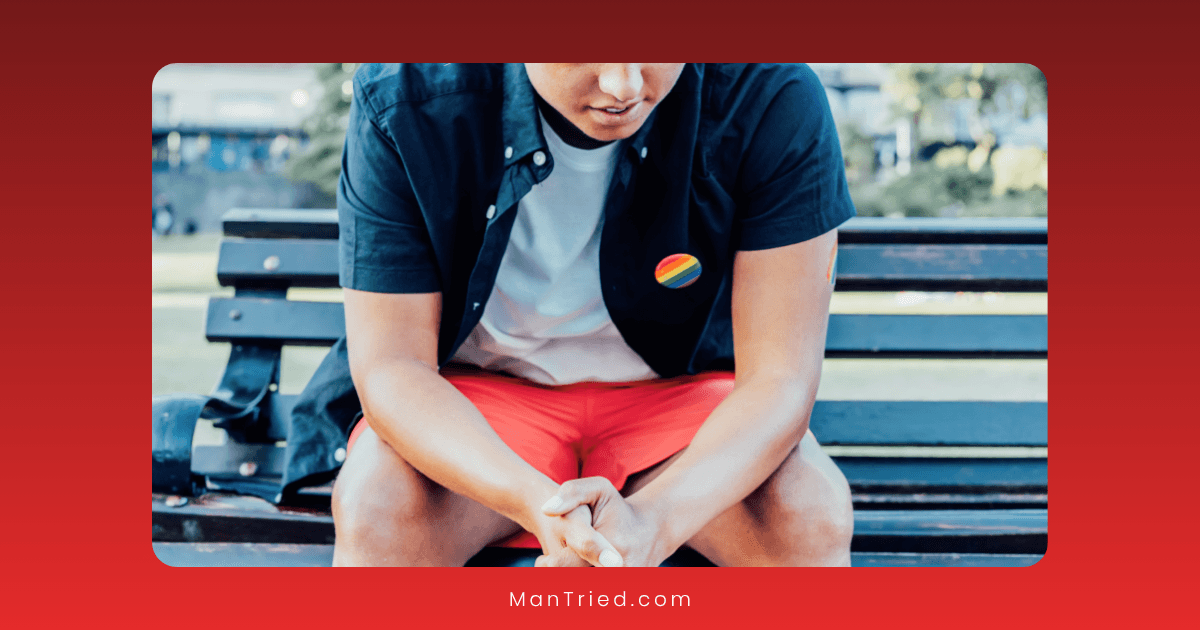
The relationship between psychological wellbeing and sexual health has long been established in clinical research. For LGBTQ+ men, however, this connection takes on additional dimensions through the experience of “minority stress”—the chronic stress stemming from stigmatization, discrimination, and marginalization. While discussions of LGBTQ+ health often focus on mental health or STI prevention, the specific impacts of minority stress on sexual function deserve greater attention.
This article explores how the unique stressors faced by LGBTQ+ men can affect sexual function, satisfaction, and intimacy—and what can be done to foster resilience and sexual wellbeing despite these challenges.
Understanding Minority Stress: A Framework
The minority stress model, first conceptualized by psychologist Ilan Meyer, provides a framework for understanding how societal stigma creates chronic stress for individuals with marginalized identities. According to Psychology Today, this model identifies several key stressors affecting LGBTQ+ individuals:
External Stressors
- Experienced discrimination and prejudice: Direct experiences of rejection, harassment, or violence based on sexual orientation or gender identity
- Everyday discrimination: Subtle but pervasive experiences of being treated differently or encountering heteronormative assumptions
Internal Stressors
- Anticipated rejection: The constant vigilance and expectation that discrimination may occur
- Concealment: Hiding one’s identity to avoid negative reactions
- Internalized stigma: Adopting negative societal attitudes about one’s own identity
“What makes minority stress particularly insidious is that it’s both chronic and socially based,” explains Dr. John Pachankis, researcher at the Yale School of Public Health. “It’s not a single traumatic event but rather an ongoing experience that becomes embedded in how LGBTQ+ people navigate the world—including their sexual lives.”
The Sexual Impact: How Minority Stress Affects Function
Research published in the Journal of Homosexuality indicates that minority stress can significantly impact sexual function in LGBTQ+ men through several pathways:
1. Physiological Mechanisms
Chronic stress activates the body’s stress-response systems, including the hypothalamic-pituitary-adrenal (HPA) axis, which regulates cortisol production. Elevated cortisol levels can interfere with sexual arousal and function through:
- Reduced testosterone production
- Impaired blood flow to genital tissues
- Disrupted neurological pathways involved in sexual response
Dr. Michael Krychman, sexual health specialist, notes: “The body doesn’t distinguish between different sources of stress. Whether it’s work pressure or the stress of hiding one’s identity, the physiological response is similar—and it can directly impair sexual function.”
2. Psychological Pathways
Minority stress contributes to psychological conditions that are known to affect sexual function:
- Anxiety: Performance anxiety and hypervigilance during intimate encounters
- Depression: Reduced sexual desire and difficulty experiencing pleasure
- Body image concerns: Heightened self-consciousness during sexual activities
A 2024 study published in Nature found that proximal stressors—particularly self-stigma and expectations of rejection—had especially strong negative impacts on psychological wellbeing among queer individuals. These same factors can create barriers to satisfying sexual experiences.
3. Relational Impacts
Minority stress doesn’t just affect individuals—it shapes how LGBTQ+ men form and maintain intimate relationships:
- Difficulty with vulnerability: Fear of rejection can make emotional intimacy challenging
- Communication barriers: Discomfort discussing sexual needs and preferences
- Partner selection: Limiting potential partners based on perceived safety or acceptance
Research from the National Institutes of Health examining same-sex male couples found that both partners experience minority stress not only as individuals but also as partners in a marginalized relationship, creating unique dynamics that can affect sexual satisfaction.
Specific Sexual Challenges Across LGBTQ+ Subgroups
While minority stress affects all LGBTQ+ men, its impact on sexual function varies across different subgroups:
Gay and Bisexual Cisgender Men
- Erectile dysfunction: Studies suggest higher rates compared to heterosexual peers, particularly among those with higher internalized homophobia
- Performance anxiety: Often exacerbated by masculinity expectations and “sexual prowess” stereotypes
- Sexual satisfaction: More strongly affected by concealment and internalized stigma
Transgender Men
- Complex dysphoria: Body dysphoria can significantly impact sexual comfort and function
- Medication effects: Hormone therapy may affect sexual desire and function
- Compounded stigma: Facing both transphobia and homophobia/biphobia for those attracted to men
Bisexual and Pansexual Men
- Identity invalidation: Facing skepticism about their sexuality from both heterosexual and gay communities
- Concealment pressures: Often feeling pressure to present as either straight or gay depending on context
- Relationship challenges: Navigating different expectations across gender lines
BIPOC LGBTQ+ Men
- Intersectional stress: Navigating both racial and sexual minority stressors simultaneously
- Cultural expectations: Balancing cultural norms around masculinity with sexual identity
- Community disconnection: Potential isolation from both racial and LGBTQ+ communities
The Masculinity Factor
For many LGBTQ+ men, societal expectations around masculinity create an additional layer of stress that directly impacts sexual function. The NIH study on same-sex male couples highlighted how masculinity pressures manifest in several ways:
Threatened by Others’ Gender Performances
Many gay and bisexual men report anxiety around others’ perceptions of their masculinity, particularly in sexual contexts. This can lead to:
- Hypervigilance about mannerisms, voice, or behaviors during sexual encounters
- Difficulty being present and embodied during intimate moments
- Avoidance of certain sexual activities perceived as less masculine
Straight-Acting Masculinity
The pressure to conform to traditional masculine norms can lead some LGBTQ+ men to:
- Suppress emotional expression during sexual encounters
- Avoid communicating needs or boundaries
- Feel inadequate when they don’t meet idealized masculine sexual performance
Dr. Francisco Sánchez, researcher on masculinity and sexuality, explains: “Many gay and bisexual men internalize the message that to be desirable, they must conform to traditional masculinity. This creates a constant internal monitor during sexual encounters—’Am I being masculine enough?’—which makes it nearly impossible to be fully present and enjoy the experience.”
From Challenges to Resilience: Protective Factors
Despite these challenges, research also identifies factors that promote sexual resilience and satisfaction among LGBTQ+ men:
1. Community Connection
Strong ties to LGBTQ+ communities provide several protective benefits:
- Validation of identity and experiences
- Alternative models of relationships and sexuality
- Reduced isolation and internalized stigma
“Community connection isn’t just about social support—it’s about creating spaces where LGBTQ+ people can develop sexual scripts that aren’t based on heteronormative assumptions,” notes Dr. Jane Ward, sexuality researcher.
2. Identity Affirmation
Research published in MDPI’s Social Sciences journal suggests that positive identity development can foster resilience:
- Pride in one’s identity counteracts internalized stigma
- Authenticity reduces the stress of concealment
- Self-acceptance promotes sexual agency and communication
3. Affirming Relationships
Supportive relationships—both romantic and platonic—provide crucial buffers against minority stress:
- Safe spaces to explore sexuality without judgment
- Validation of experiences and emotions
- Models for healthy communication about sexual needs
4. Mindfulness and Embodiment Practices
Emerging research suggests mindfulness-based approaches may be particularly helpful for addressing the sexual impacts of minority stress:
- Reducing cognitive distractions during sexual encounters
- Developing greater body awareness and connection
- Managing anxiety through present-moment awareness
Clinical Implications and Support Strategies
For healthcare providers, mental health professionals, and LGBTQ+ men themselves, addressing the sexual impacts of minority stress requires multifaceted approaches:
For Healthcare Providers
- Comprehensive sexual health assessments: Inquiring about both physical and psychological aspects of sexual function
- Cultural competence: Understanding the unique stressors affecting LGBTQ+ men
- Integrated care: Addressing mental health alongside sexual health concerns
- Affirming language: Using terminology that validates diverse bodies and sexual practices
For Mental Health Professionals
- Minority stress-informed therapy: Explicitly addressing how societal stigma affects sexual wellbeing
- Cognitive approaches: Identifying and challenging internalized negative beliefs about sexuality
- Couples interventions: Supporting partners in navigating minority stress together
- Trauma-informed care: Recognizing how discrimination experiences may manifest in sexual difficulties
For LGBTQ+ Men
- Self-awareness: Recognizing how minority stress might be affecting sexual function
- Community resources: Connecting with LGBTQ+-specific support groups and educational resources
- Communication skills: Developing comfort discussing sexual needs and boundaries with partners
- Mindful sexuality practices: Learning techniques to stay present during sexual encounters
Dr. Alex Keuroghlian, director of the National LGBTQIA+ Health Education Center, emphasizes: “Sexual health is an essential component of overall wellbeing for LGBTQ+ people. We need to move beyond a risk-focused approach to one that affirms pleasure, connection, and satisfaction as health outcomes worth pursuing.”
The Research Horizon
While understanding of minority stress has advanced significantly, several research gaps remain:
- Longitudinal studies: How do minority stress effects on sexual function change over the lifespan?
- Intervention research: What specific approaches most effectively address sexual difficulties related to minority stress?
- Intersectional experiences: How do multiple minority identities interact to shape sexual wellbeing?
- Resilience mechanisms: What factors best predict sexual satisfaction despite minority stress?
- Technological interventions: How might digital health approaches address barriers to care?
The 2025 research landscape shows promising developments in these areas, with increasing recognition that sexual wellbeing is a crucial aspect of LGBTQ+ health deserving of dedicated attention.
Conclusion: Toward Sexual Empowerment
The impact of minority stress on sexual function represents a significant but often overlooked health disparity affecting LGBTQ+ men. By understanding these mechanisms, we can move beyond simplistic approaches to sexual health that focus solely on risk reduction or medical dysfunction.
Instead, a comprehensive approach recognizes that sexual wellbeing for LGBTQ+ men exists in a social context—one that can either undermine or support sexual satisfaction. By addressing minority stress at individual, interpersonal, and societal levels, we can support LGBTQ+ men in developing resilient, satisfying, and authentic sexual lives.
As Dr. Pachankis concludes: “The goal isn’t just the absence of sexual problems, but the presence of sexual wellbeing—pleasure, connection, and authenticity. LGBTQ+ men deserve nothing less, and achieving this requires addressing the unique stressors they face in a heteronormative world.”
Have you experienced ways that minority stress has affected your sexual wellbeing? What strategies have you found helpful? Share your thoughts in the comments below.