Building Sexual Confidence After Spinal Cord Injury
A spinal cord injury (SCI) changes many aspects of life, including sexuality and intimate relationships. While physical changes are often the most immediate concern, the psychological impact on sexual confidence can be equally significant. Yet with the right information, support, and approach, many people discover fulfilling sexual expression after SCI.
“Sexuality doesn’t disappear after spinal cord injury—it transforms,” explains Dr. Sophia Martinez, rehabilitation psychologist specializing in sexuality after disability. “Building sexual confidence is about discovering new pathways to pleasure and connection while embracing a changed but equally valid sexual self.”
This comprehensive guide explores strategies for rebuilding sexual confidence after spinal cord injury, addressing both psychological and practical aspects of this important journey.
Understanding the Impact of SCI on Sexual Confidence
Before discussing strategies for rebuilding confidence, it’s important to understand the psychological challenges that often arise after spinal cord injury.
Common Psychological Barriers
Research published in PMC identified several key themes affecting sexual confidence after SCI:
Internalized Stigma
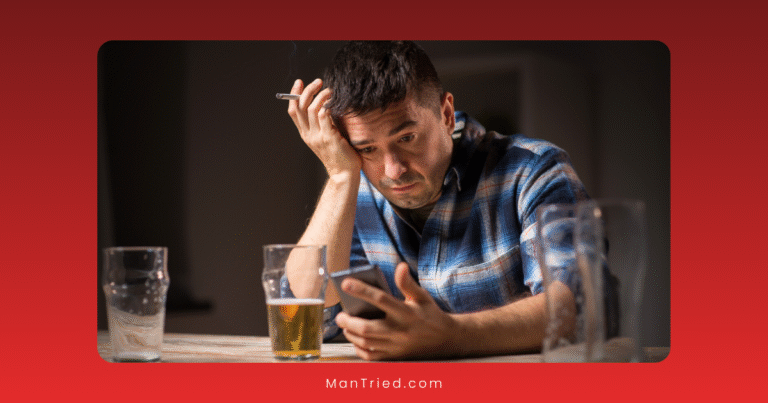
Many people with SCI report internalizing societal views that portray people with disabilities as asexual or undesirable. Media representations rarely depict people with disabilities as sexual beings, reinforcing these harmful stereotypes.
Fear of Rejection
Concerns about how potential partners might react to physical differences or functional changes can lead to anxiety about dating or initiating intimate relationships.
Altered Body Image
Adjusting to changes in appearance, function, and sensation can profoundly impact how people see themselves as sexual beings.
Role Changes
When partners become caregivers, navigating the shift between caregiving and intimate roles can create emotional complications.
Uncertainty About Sexual Function
Lack of information about how sexuality works after SCI can lead to anxiety and avoidance of sexual exploration.
Michael, a C6-7 quadriplegic injured five years ago, shares: “After my injury, I couldn’t imagine anyone finding me attractive or wanting to be intimate with me. I felt like my sexual self had died along with my ability to walk. It took time and support to realize that wasn’t true at all.”
The Physical-Psychological Connection
While this guide focuses primarily on psychological aspects of sexual confidence, understanding the physical changes after SCI provides an important foundation.
How SCI Affects Sexual Function
According to the Model Systems Knowledge Translation Center, the impact on sexual function depends on several factors:
- Level of injury: Higher injuries may affect more aspects of sexual function
- Completeness of injury: Complete injuries may result in more significant changes than incomplete injuries
- Time since injury: Some functions may improve over time
Key Physical Changes That May Affect Confidence
- Altered sensation: Changes in what you can feel during sexual activity
- Erectile function: Many men experience changes in ability to achieve or maintain erections
- Ejaculation: May be affected, which has implications for both pleasure and fertility
- Vaginal lubrication: May be reduced in women with SCI
- Orgasm: May feel different or require different stimulation to achieve
- Mobility: May affect positioning and movement during sexual activity
- Bladder and bowel function: Concerns about incontinence during intimacy
Understanding these changes is the first step toward adapting and rebuilding confidence. As noted by the Mayo Clinic, individuals with spinal cord injuries can still be sexually active and experience pleasure, though it may require different approaches.
Strategies for Building Sexual Confidence
Research and clinical experience suggest several effective approaches for rebuilding sexual confidence after SCI.
1. Education and Knowledge Building
Information is a powerful confidence builder. According to a study in Frontiers in Psychology, psychoeducational interventions significantly improve sexual interest and satisfaction among people with SCI.
Effective Educational Approaches
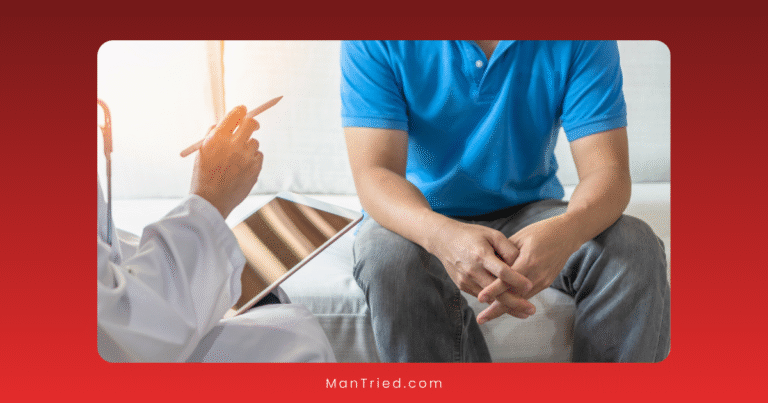
- Work with specialized healthcare providers: Rehabilitation centers often have sexual health specialists who can provide personalized information
- Attend workshops or webinars: Many SCI organizations offer educational programs about sexuality
- Read reliable resources: Organizations like the Christopher & Dana Reeve Foundation provide excellent materials on sexuality after SCI
- Connect with peer mentors: Learning from others with similar injuries can provide practical insights
Sarah, injured at T4 level eight years ago, reflects: “Learning about how my body works now was eye-opening. Once I understood what was physically possible, I could focus on exploring those possibilities rather than grieving what I’d lost.”
2. Redefining Sexuality
Expanding your definition of sexuality beyond traditional concepts is crucial for rebuilding confidence.
Shifting Perspectives
- Move beyond genital-focused sexuality: Explore the erotic potential of your entire body
- Emphasize pleasure rather than performance: Focus on what feels good rather than achieving specific “goals”
- Recognize the importance of mental arousal: For many people with SCI, mental arousal becomes even more important
- Embrace a broader definition of intimacy: Emotional connection, sensuality, and creativity are vital components of sexuality
As My Shepherd Connection notes, “Sexual pleasure can be experienced with or without erections or orgasms,” and using all available senses can enhance sexual experiences.
3. Exploring New Sensations
After SCI, sexual pleasure often involves discovering new erogenous zones and sensations.
Approaches to Sensory Exploration
- Sensate focus exercises: Structured touching exercises that emphasize sensation without performance pressure
- Mapping new erogenous zones: Systematically exploring your body to identify areas of pleasurable sensation
- Utilizing the “pleasure zone” above the level of injury: Many people discover heightened sensitivity in areas just above where sensation changes
- Experimenting with temperature, texture, and pressure: Different types of stimulation may produce new pleasurable responses
Dr. Martinez explains: “The body has an amazing capacity to rewire itself after injury. Areas that weren’t particularly sensitive before may become new sources of pleasure. This neuroplasticity can be actively encouraged through mindful exploration.”
4. Communication Skills Development
Research published in PMC identifies communication as essential for sexual confidence after SCI, yet many people find it challenging.
Effective Communication Strategies
- Practice talking about sexuality: Start with healthcare providers to build comfort discussing sexual topics
- Develop a sexual vocabulary: Find words that feel comfortable for discussing needs and preferences
- Use “I” statements: Frame discussions around your experiences rather than making assumptions about partners
- Create disclosure strategies: For new relationships, develop comfortable ways to discuss how SCI affects your sexuality
- Establish ongoing consent practices: Regular check-ins during intimacy ensure both partners remain comfortable
James, a T8 paraplegic, shares: “Learning to talk openly about my needs and concerns with partners was probably the biggest factor in rebuilding my sexual confidence. Once I could communicate clearly, so much anxiety disappeared.”
5. Adaptive Techniques and Tools
Practical adaptations can significantly enhance sexual confidence by addressing functional challenges.
Helpful Adaptations
- Positioning aids: Pillows, wedges, and other supports can help with comfortable positioning
- Assistive devices: Vibrators, massage tools, and other aids can enhance pleasure and compensate for sensory changes
- Medication options: For men, erectile dysfunction medications may help with physical function
- Lubricants: Can address changes in natural lubrication and enhance comfort
- Timing strategies: Planning intimacy around medication schedules, energy levels, and bladder/bowel routines
The key is finding adaptations that work for your specific situation and incorporating them naturally into intimate experiences.
6. Addressing Body Image
Body image concerns are common after SCI and can significantly impact sexual confidence.
Strategies for Improving Body Image
- Exposure therapy: Gradually becoming more comfortable with your changed body
- Focusing on capabilities: Appreciating what your body can do rather than what it cannot
- Adaptive clothing and positioning: Finding options that help you feel attractive and comfortable
- Mindfulness practices: Learning to observe negative thoughts about your body without judgment
- Celebrating non-traditional beauty: Challenging conventional beauty standards and recognizing diverse forms of attractiveness
Elena, who sustained a C5-6 injury, notes: “I had to learn to see beauty in my body again. Working with a therapist who specialized in body image after disability helped me recognize that my worth and attractiveness didn’t disappear with my injury.”
7. Professional Support
Many people benefit from professional guidance when rebuilding sexual confidence.
Types of Professional Support
- Sex therapy: Therapists specializing in sexuality can provide tailored guidance for SCI-specific concerns
- Psychotherapy: Addressing anxiety, depression, or trauma that may affect sexual confidence
- Couples counseling: Helping partners navigate changes in sexual relationship together
- Physical therapy: Some specialized physical therapists focus on sexual function and pelvic health
- Peer counseling: Trained peer mentors who have experienced similar challenges
According to research in the Frontiers in Psychology, structured interventions addressing sexuality after SCI show significant benefits for sexual satisfaction and interest.
Navigating Relationships
Building sexual confidence occurs within the context of relationships, whether existing or new.
Existing Relationships
When SCI occurs within an established relationship, both partners face adjustment:
- Grieving together: Acknowledging losses while discovering new possibilities
- Maintaining connection during rehabilitation: Finding ways to express intimacy during recovery
- Separating caregiving from romantic roles: Creating clear boundaries between care activities and intimate time
- Relearning each other’s bodies: Approaching intimacy with curiosity and openness
- Addressing fears and expectations: Creating safe space to discuss concerns about the future of the relationship
New Relationships and Dating
Dating after SCI brings unique challenges but also opportunities for meaningful connection:
- Developing disclosure comfort: Finding the right time and approach to discuss your injury
- Online dating strategies: Using dating platforms in ways that feel comfortable and authentic
- Focusing on shared interests: Building connections based on mutual passions and values
- Addressing practical considerations: Navigating accessibility in dating contexts
- Screening for open-minded partners: Recognizing that the right partners will see beyond disability
Carlos, injured at T10 level, reflects on dating after his injury: “Dating actually helped rebuild my confidence. Each positive experience reminded me that my value as a partner goes far beyond physical function. I’ve had more meaningful relationships after my injury than before because we connect on deeper levels.”
The Role of Community and Peer Support
Connection with others who understand the journey can be invaluable for rebuilding sexual confidence.
Finding Community
- Peer support groups: Many rehabilitation centers and organizations offer groups specifically addressing sexuality
- Online communities: Forums and social media groups provide spaces to share experiences and advice
- Mentorship programs: One-on-one connections with others further along in their journey
- Adaptive sports and recreation: Building general confidence through physical activities can translate to sexual confidence
- Disability-positive spaces: Communities that celebrate disability culture and challenge stigma
Research from Science Direct emphasizes that psycho-social factors, including community support, significantly impact sexual adjustment after SCI.
Addressing Specific Challenges
Managing Autonomic Dysreflexia
For those with injuries at T6 or above, autonomic dysreflexia (AD) during sexual activity can be a concern:
- Recognize symptoms: Knowing the warning signs of AD
- Preventive measures: Emptying bladder and bowels before sexual activity
- Position considerations: Avoiding positions that might trigger AD
- Communication plan: Ensuring partners know how to respond if AD occurs
- Medical guidance: Working with healthcare providers to develop a management plan
Bladder and Bowel Considerations
Concerns about incontinence can significantly impact sexual confidence:
- Timing strategies: Planning intimacy around bladder and bowel routines
- Emptying before intimacy: Reducing the risk of accidents
- Protective measures: Using waterproof bedding if needed
- Medication timing: Coordinating with medications that affect bladder or bowel function
- Open communication: Discussing concerns with partners to reduce anxiety
Fertility Considerations
For those interested in parenthood, addressing fertility can be an important aspect of sexual confidence:
- Fertility assessment: Understanding your specific fertility status after SCI
- Assisted reproductive technologies: Exploring options if natural conception is challenging
- Emotional processing: Addressing feelings about changed fertility
- Alternative pathways to parenthood: Considering various routes to building a family
- Connecting with SCI parents: Learning from others who have navigated this journey
Conclusion: A Journey of Rediscovery
Rebuilding sexual confidence after spinal cord injury is not about returning to exactly how things were before—it’s about discovering a new sexual self that embraces both challenges and new possibilities.
As Dr. Martinez emphasizes, “Sexual confidence after SCI comes from integrating your injury into your sexual self-concept rather than seeing it as separate from your sexuality. It’s about recognizing that you remain a sexual being with the capacity for pleasure, connection, and intimacy—just in ways that might look different than before.”
This journey takes time, patience, and support. There will likely be setbacks and frustrations along the way. But many people with SCI report eventually developing sexual lives that, while different from before their injury, are equally or even more satisfying because they’re built on deeper communication, greater creativity, and more intentional connection.
By combining education, communication, adaptation, and psychological support, you can build a sexual confidence that honors your whole self—including your injury—while embracing your fundamental right to sexual expression and fulfillment.
Have you found effective strategies for building sexual confidence after spinal cord injury? Share your experiences in the comments below.