Ashwagandha for Testosterone: Dosage, Timing, and Expected Results
In recent years, ashwagandha has emerged as one of the most promising natural supplements for supporting testosterone levels in men. This ancient herb, used for millennia in Ayurvedic medicine, has gained significant attention from researchers and health enthusiasts alike for its potential hormonal benefits.
But how effective is ashwagandha for boosting testosterone? What dosage should you take? When should you take it? And what results can you realistically expect? This comprehensive guide examines the latest scientific evidence from 2025 to answer these questions and help you make informed decisions about incorporating ashwagandha into your health regimen.
What is Ashwagandha and How Does it Affect Testosterone?
Ashwagandha (Withania somnifera), also known as Indian ginseng or winter cherry, is an adaptogenic herb that has been used in traditional medicine for over 3,000 years. Adaptogens are natural substances that help the body adapt to stress and restore normal physiological functioning.
The Science Behind Ashwagandha and Testosterone
Ashwagandha appears to influence testosterone levels through several mechanisms:
- Stress Reduction: By lowering cortisol (the primary stress hormone), ashwagandha may indirectly boost testosterone, as high cortisol levels can suppress testosterone production.
- Luteinizing Hormone Support: Some research suggests ashwagandha may enhance the production of luteinizing hormone (LH), which signals the testes to produce more testosterone.
- Antioxidant Properties: The antioxidant effects of ashwagandha may protect Leydig cells (testosterone-producing cells in the testes) from oxidative damage.
- Improved Sleep Quality: By enhancing sleep, ashwagandha may optimize the body’s natural testosterone production, which occurs primarily during deep sleep.
According to a systematic review published in the Journal of Ethnopharmacology, ashwagandha root and root/leaf extracts have shown positive effects on testosterone concentrations in men, with 9 out of 32 studies demonstrating statistically significant increases in testosterone levels.
Clinical Evidence: What the Research Shows
The latest research from 2025 provides compelling evidence for ashwagandha’s effects on testosterone levels. Here are some key findings:
KSM-66 Ashwagandha Clinical Results
KSM-66 is a high-concentration, full-spectrum extract made from ashwagandha roots, and it’s one of the most studied forms of the herb. A notable clinical study highlighted by GlobeNewswire found that men taking 300 mg of KSM-66 ashwagandha twice daily (600 mg total) experienced an average increase of 96 ng/dL in testosterone compared to an 18 ng/dL increase in the placebo group.
Effects on Healthy Men During Resistance Training
A 2015 double-blind, placebo-controlled study reported by Healthline found that 57 men who took 300 mg of ashwagandha root extract twice daily during an 8-week resistance training program showed a testosterone increase of 96.2 ng/dL, compared to just 18.0 ng/dL in the placebo group.
According to The Movement Paradigm, healthy men who took 600 mg of ashwagandha daily for eight weeks during strength training saw a 15% increase in testosterone and greater gains in muscle size and strength compared to a placebo group.
Benefits for Men with Fertility Concerns
A 2009 study involving 60 infertile men showed that those taking 5 grams of ashwagandha daily improved testosterone levels and sperm quality, with 8 partners becoming pregnant by the study’s end.
More recently, a 2022 study found that men who took 300 mg of ashwagandha twice daily had increased testosterone levels and improved sexual functioning compared to a placebo group.
Comprehensive Effects on Sexual Health
A 2025 study published in Science Direct examined the effects of ashwagandha root extract on sexual health in 100 healthy men aged 30-50 years. The 8-week prospective, double-blind, randomized, placebo-controlled trial found that men taking 300 mg of ashwagandha root extract twice daily experienced significant improvements in:
- Semen volume (p = 0.005)
- Sperm number (p = 0.006)
- Sperm concentration (p = 0.007)
- Sperm morphology (p = 0.007)
- Sexual desire (measured by the Sexual Desire Inventory)
- Orgasmic function (measured by the International Index of Erectile Function)
- Overall quality of life
Optimal Dosage: How Much Ashwagandha Should You Take for Testosterone?
Based on the latest clinical research, here are the recommended dosages for testosterone support:
Standard Dosage Range
The most effective dosage range for boosting testosterone appears to be 300-600 mg per day of a high-quality ashwagandha extract, preferably standardized to contain at least 5% withanolides (the active compounds in ashwagandha).
For KSM-66 specifically, the most common effective dosage is 600 mg per day (typically divided into two 300 mg doses).
Dosage by Body Weight
Some experts recommend adjusting the dosage based on body weight:
- Under 150 lbs: 300-450 mg daily
- 150-200 lbs: 450-600 mg daily
- Over 200 lbs: 600-900 mg daily
Higher Dosages
Some studies have used much higher dosages, up to 5 grams per day, particularly for fertility concerns. However, these higher dosages may increase the risk of side effects without necessarily providing proportionally greater benefits for testosterone.
According to Examine.com, clinical trials have used daily dosages ranging from 120 to 12,000 mg, but the most common and effective dosage range for hormonal health is 600 to 5,000 mg per day.
Withanolide Content
The active compounds in ashwagandha are called withanolides. When choosing a supplement, look for products that specify the withanolide content, typically ranging from 1.5% to 35%. For testosterone support, supplements with at least 5% withanolides are generally recommended.
Optimal Timing: When to Take Ashwagandha for Best Results
The timing of ashwagandha supplementation can influence its effects on testosterone and overall well-being.
Morning vs. Evening
Research hasn’t definitively established an optimal time of day for taking ashwagandha specifically for testosterone support. However, based on clinical practice and understanding of the herb’s mechanisms:
- Morning dosing may be more beneficial for testosterone support and energy levels
- Evening dosing may be more beneficial for stress reduction and sleep quality, which indirectly support testosterone production
- Split dosing (taking half in the morning and half in the evening) may provide balanced benefits throughout the day
According to The Movement Paradigm, “Morning doses of Ashwagandha may support testosterone levels, while evening doses may be more beneficial for stress relief and sleep. Splitting the dosage between morning and evening can yield balanced results.”
With or Without Food
Ashwagandha is traditionally taken with food, particularly with warm milk or ghee (clarified butter) in Ayurvedic practice. Modern research suggests:
- Taking ashwagandha with food may reduce potential stomach irritation
- The fat in milk or meals may enhance the absorption of some of the fat-soluble compounds in ashwagandha
- Consistency is more important than specific timing with meals
Pre-Workout Timing
For those using ashwagandha to support exercise performance and post-workout testosterone levels, taking it approximately 30-60 minutes before training may be beneficial.
Expected Results: What Changes Can You Anticipate?
Understanding realistic expectations and timelines is crucial when using ashwagandha for testosterone support.
Timeline for Testosterone Changes
Based on clinical studies, here’s a general timeline of what you might expect:
- 2-4 weeks: Initial improvements in stress levels and sleep quality
- 4-8 weeks: Noticeable changes in energy, mood, and possibly libido
- 8-12 weeks: Measurable increases in testosterone levels (typically 10-15% in healthy men, potentially higher in those with lower baseline levels)
- 12+ weeks: Continued improvements, particularly when combined with resistance training
According to PMC, significant increases in testosterone levels have been observed in adults undergoing strength training while taking ashwagandha, with optimal results typically seen after 8-12 weeks of consistent supplementation.
Realistic Percentage Increases
Based on the available research, here are the realistic percentage increases in testosterone you might experience:
- Healthy men: 10-15% increase after 8-12 weeks
- Men with lower baseline testosterone: Potentially 15-40% increase
- Men engaging in resistance training: Up to 15-20% increase
- Men with fertility concerns: Variable, but potentially significant improvements in both testosterone and sperm parameters
According to The Movement Paradigm, ashwagandha can boost testosterone by up to 40% in some individuals, though this upper range is more likely in those with lower baseline levels or specific conditions.
Beyond Testosterone: Additional Benefits
Ashwagandha supplementation may provide several related benefits:
- Reduced cortisol: Up to 30% decrease in this stress hormone
- Improved sleep quality: Enhanced deep sleep duration and reduced sleep latency
- Increased strength and muscle mass: Particularly when combined with resistance training
- Enhanced sexual function: Improved libido, performance, and satisfaction
- Improved sperm quality: Increased count, motility, and morphology
- Reduced stress and anxiety: Significant decreases in perceived stress and anxiety scores
Cycling Ashwagandha: Is it Necessary?
There’s ongoing debate about whether ashwagandha should be cycled (taking breaks from supplementation) for optimal testosterone support.
Arguments for Cycling
Some practitioners recommend cycling ashwagandha, typically:
- 8-12 weeks on, followed by 2-4 weeks off
- Or 2-3 months on, followed by 1 month off
The rationale includes:
- Preventing potential adaptation or tolerance
- Giving the body’s natural hormone production systems a “reset”
- Minimizing the risk of side effects from long-term use
According to The Movement Paradigm, “Some individuals prefer to cycle Ashwagandha use, taking it for two to three months followed by one month off.”
Arguments Against Cycling
Others argue that cycling isn’t necessary because:
- Ashwagandha is an adaptogen that helps normalize physiological functions rather than forcing them in one direction
- Clinical studies showing benefits have typically used continuous supplementation
- Traditional Ayurvedic practice often involves long-term, consistent use
The current consensus suggests that cycling may be beneficial for some individuals but isn’t strictly necessary for everyone. Personal experimentation and working with a healthcare provider can help determine the optimal approach for your specific situation.
Potential Side Effects and Safety Considerations
While ashwagandha is generally well-tolerated, it’s important to be aware of potential side effects and contraindications.
Common Side Effects
According to the National Center for Complementary and Integrative Health and other sources, potential side effects include:
- Drowsiness or sedation
- Digestive issues (stomach upset, diarrhea, nausea)
- Headaches
- Dry mouth
These side effects are typically mild and often resolve as the body adjusts to the supplement.
Serious Concerns and Contraindications
More serious concerns include:
- Liver issues: Rare cases of liver injury have been reported with ashwagandha use
- Thyroid effects: May increase thyroid hormone levels, which could be problematic for those with hyperthyroidism
- Autoimmune conditions: May stimulate the immune system, potentially worsening autoimmune conditions
- Pregnancy and breastfeeding: Not recommended due to potential risks
- Surgery: Should be discontinued at least 2 weeks before scheduled surgery due to its mild sedative effects
Drug Interactions
Ashwagandha may interact with several medications:
- Sedatives and CNS depressants: May enhance sedative effects
- Thyroid medications: May alter thyroid hormone levels
- Immunosuppressants: May reduce effectiveness
- Diabetes medications: May enhance blood sugar-lowering effects
- Blood pressure medications: May enhance blood pressure-lowering effects
- Hepatotoxic drugs: May increase risk of liver damage
According to WebMD, it’s advisable to consult with a healthcare provider before taking ashwagandha, particularly if you have existing health conditions or are taking medications.
Choosing a Quality Ashwagandha Supplement
Not all ashwagandha supplements are created equal. Here’s what to look for:
Key Factors in Supplement Selection
- Extract type: Root-only extracts are traditionally used for testosterone support, while leaf extracts may have different properties
- Standardization: Look for products standardized to contain at least 5% withanolides
- KSM-66 or other premium extracts: These have been extensively studied and shown to be effective
- Third-party testing: Verification of purity and potency by independent laboratories
- Organic certification: Reduces exposure to pesticides and other contaminants
- Free from additives: Minimal fillers, artificial colors, or preservatives
Recommended Forms
Ashwagandha is available in several forms:
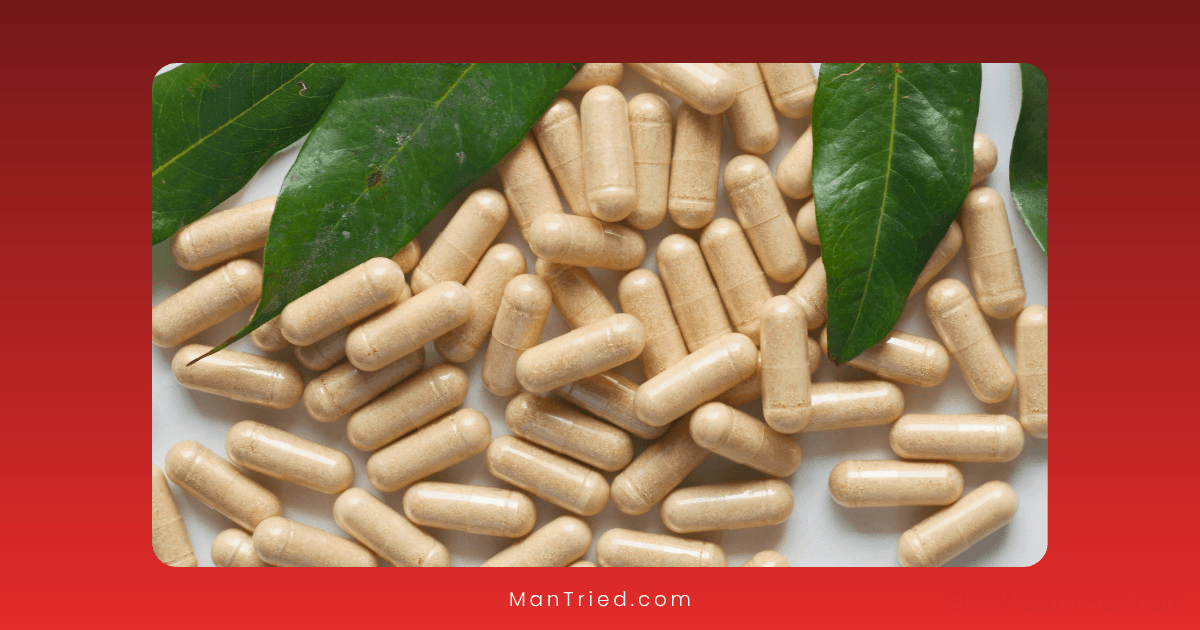
- Capsules/tablets: Most convenient and allow for precise dosing
- Powders: Can be added to smoothies or other foods but may have a strong taste
- Tinctures: Liquid extracts that may be absorbed more quickly
- Gummies: Convenient but often contain added sugars and lower active ingredient amounts
For testosterone support, capsules containing standardized extracts like KSM-66 are generally recommended for their convenience and reliable dosing.
Maximizing Results: Complementary Approaches
To maximize the testosterone-boosting effects of ashwagandha, consider these complementary approaches:
Lifestyle Factors
According to a 2025 study published in PMC, several lifestyle factors significantly impact testosterone levels:
- Resistance training: Hypertrophy training was found to be a positive predictor of testosterone levels (β = 20.3, p < 0.001)
- Adequate sleep: Sleep deprivation (less than 6 hours) significantly decreased testosterone levels (β = -18.2, p < 0.001)
- Sunlight exposure: Greater than 60 minutes daily was positively associated with testosterone levels (β = 10.3, p = 0.03)
- Avoiding tobacco: Tobacco use was associated with lower testosterone levels (β = -15.6, p < 0.001)
- Limiting carbonated beverages: Daily consumption correlated negatively with testosterone levels (β = -10.2, p = 0.01)
Dietary Considerations
- Adequate protein intake: Essential for hormone production
- Healthy fats: Particularly omega-3 fatty acids and monounsaturated fats
- Zinc-rich foods: Oysters, beef, pumpkin seeds, and crab
- Vitamin D sources: Fatty fish, egg yolks, and sunlight exposure
- Cruciferous vegetables: Broccoli, cauliflower, and cabbage may help optimize estrogen metabolism
- Limited alcohol consumption: Excessive alcohol can lower testosterone levels
- Adequate caloric intake: Severe caloric restriction can reduce testosterone production
Complementary Supplements
Some supplements may work synergistically with ashwagandha for testosterone support:
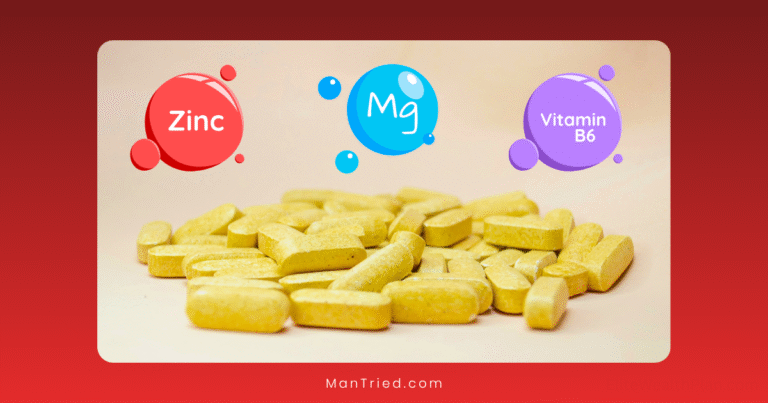
- Zinc: Crucial for testosterone production, particularly in men with deficiencies
- Vitamin D3: Works as a hormone that supports testosterone synthesis
- Magnesium: Supports sleep quality and may increase free testosterone levels
- Fenugreek: May help maintain testosterone levels during stress or intense exercise
- Tongkat Ali (Eurycoma longifolia): May complement ashwagandha’s effects on hormonal balance
According to Examine.com, combining ashwagandha with other evidence-based supplements may provide more comprehensive hormonal support than using ashwagandha alone.
Tracking Progress: How to Monitor Your Results
To determine whether ashwagandha is effectively supporting your testosterone levels, consider these monitoring strategies:
Subjective Measures
Track these factors before starting ashwagandha and at regular intervals during supplementation:
- Energy levels: Rate your daily energy on a scale of 1-10
- Mood: Note changes in overall mood, motivation, and sense of well-being
- Libido: Track changes in sexual desire and satisfaction
- Sleep quality: Monitor sleep duration and how refreshed you feel upon waking
- Exercise performance: Record strength, endurance, and recovery metrics
- Body composition: Note changes in muscle mass and body fat percentage
Objective Measures
For more precise tracking:
- Blood tests: Measure total and free testosterone levels, as well as related hormones like DHEA, cortisol, and estradiol
- Sleep tracking: Use wearable devices to monitor sleep stages and quality
- Strength metrics: Keep detailed records of workout performance
- Body composition analysis: Use DEXA scans or other reliable methods to track changes in muscle and fat
Ideally, establish baseline measurements before starting ashwagandha and then retest after 8-12 weeks of consistent supplementation to assess changes.
Special Populations: Variations in Response
The effects of ashwagandha on testosterone may vary significantly between different populations:
Age Considerations
- Young men (20s-30s): May experience moderate testosterone increases, primarily beneficial during periods of stress or intense training
- Middle-aged men (40s-50s): Often see more pronounced benefits as natural testosterone levels begin to decline
- Older men (60+): May experience significant benefits, particularly when combined with resistance training
Training Status
- Sedentary individuals: Modest testosterone benefits, more pronounced improvements in stress and sleep
- Recreational exercisers: Moderate testosterone increases, especially when combined with resistance training
- Athletes: May experience enhanced recovery and hormonal balance during intense training periods
Health Status
- Men with normal testosterone: Typically experience modest increases (10-15%)
- Men with low testosterone: Often see more substantial improvements (15-40%)
- Men with fertility concerns: May experience improvements in both testosterone and sperm parameters
Conclusion: Is Ashwagandha Worth It for Testosterone Support?
Based on the current scientific evidence from 2025, ashwagandha appears to be one of the more promising natural supplements for supporting healthy testosterone levels, particularly when:
- Used consistently for at least 8-12 weeks
- Taken at appropriate dosages (typically 300-600 mg daily of a standardized extract)
- Combined with resistance training and other healthy lifestyle practices
- Used by individuals experiencing stress or having lower baseline testosterone levels
The expected testosterone increases—typically 10-15% in healthy men and potentially higher in those with lower baseline levels—are modest compared to pharmaceutical interventions but significant compared to most other natural supplements. Additionally, ashwagandha offers complementary benefits for stress reduction, sleep quality, and overall well-being that may indirectly support hormonal health.
As with any supplement, individual responses vary, and ashwagandha should be considered as part of a comprehensive approach to health rather than a magic solution. Consulting with a healthcare provider before beginning supplementation is recommended, particularly for individuals with existing health conditions or those taking medications.
With realistic expectations and a patient, consistent approach, ashwagandha may be a valuable tool in your toolkit for supporting healthy testosterone levels and overall vitality.
Frequently Asked Questions
While ashwagandha may influence hormone levels in women, its effects on testosterone are typically less pronounced than in men. Women may experience more significant benefits related to stress reduction, energy, and overall hormonal balance rather than specific testosterone increases.
Initial improvements in stress and sleep may occur within 2-4 weeks, but testosterone-related benefits typically require 8-12 weeks of consistent supplementation. Some studies show continued improvements with longer-term use of up to 6 months.
No, ashwagandha cannot replace medically prescribed TRT for diagnosed testosterone deficiency. While it may provide modest support for natural testosterone production, the effects are not comparable to medical testosterone replacement. Always consult with a healthcare provider for diagnosed hormonal conditions.
Yes, for hormonal support, consistent daily supplementation is recommended regardless of training schedule. The adaptogenic benefits of ashwagandha work best with regular use.
Yes, exceeding recommended dosages may increase the risk of side effects without proportionally greater benefits. The optimal range for most men appears to be 300-600 mg daily of a standardized extract, though some studies have safely used higher doses.