🛍️ Products
❤️ Health
🌿 Wellness
💪 Performance
🤝 Relationships
🛍️ Products
❤️ Health
🌿 Wellness
💪 Performance
🤝 Relationships

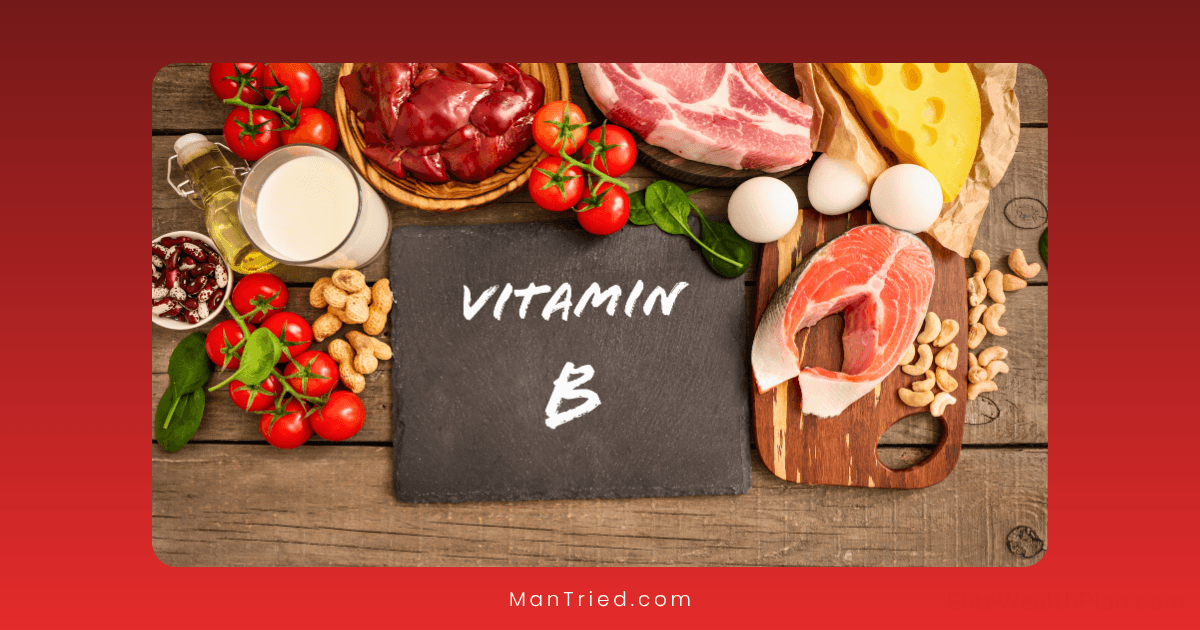
When it comes to enhancing libido and sexual health, most people immediately think of exotic herbs or prescription medications. However, some of the most effective solutions might be hiding in plain sight within the B vitamin complex—a group of essential nutrients that play crucial roles in energy production, hormone regulation, and neurotransmitter synthesis.
While not typically marketed as sexual health supplements, B vitamins are fundamental to the biochemical processes that drive desire, arousal, and sexual function. Understanding which B vitamins matter most for libido can help you make more informed choices about your nutrition and supplementation strategy.
Let’s explore the science behind B vitamins and sexual desire, examining which ones have the strongest evidence for supporting a healthy libido in both men and women.
The B vitamin complex consists of eight distinct water-soluble vitamins, each with unique functions in the body:
While these vitamins work synergistically, research suggests that certain B vitamins have particularly strong connections to sexual health and libido. Let’s examine the top contenders and the evidence behind them.
Of all the B vitamins, B6 may have the most direct impact on libido through its crucial role in neurotransmitter production.
Vitamin B6 serves as a cofactor in over 140 enzymatic reactions in the body, many of which are directly relevant to sexual health:
A significant study published in Translational Andrology and Urology analyzed data from 3,875 participants and found that dietary intake of vitamin B6 was significantly associated with a reduced risk of erectile dysfunction (ED), particularly among younger men.
Men without ED consumed an average of 2.0 mg of B6 daily, while those with ED averaged only 1.6 mg per day—a statistically significant difference. After adjusting for various factors, men in the highest quartile of B6 intake had a 23% lower risk of ED compared to those in the lowest quartile.
For women, B6 appears in several formulations designed to boost female libido. A clinical study of postmenopausal women published in the Journal of International Medical Research found that a supplement containing B6 (along with other B vitamins and ingredients) significantly improved sexual function scores and desire.
Niacin stands out for its powerful effects on blood flow and circulation—critical factors for sexual arousal in both men and women.
Niacin influences sexual health through several mechanisms:
A landmark 2011 study cited by multiple sources, including CMH-RI, found that men with moderate to severe erectile dysfunction who took niacin experienced significant improvements compared to those taking a placebo.
Another study mentioned by Vinmec International Hospital demonstrated that niacin supplementation improved both erectile function and intercourse duration in men with ED.
For women, niacin’s circulation-enhancing effects may improve arousal by increasing blood flow to the genital area, though research specifically on women is more limited.
Folate (also known as vitamin B9) plays a critical role in vascular health and nitric oxide production—both essential for sexual function.
Folate contributes to sexual health in several ways:
The same comprehensive study in Translational Andrology and Urology found that dietary folate intake was significantly associated with reduced ED risk in men aged 60 or younger.
Men without ED consumed approximately 528.0 mcg of folate daily, while those with ED averaged only 452.0 mcg—a difference of about 17%. In the subgroup of younger men, those in the highest quartile of folate intake had a remarkable 50% lower risk of ED compared to those in the lowest quartile.
Additionally, a study involving 100 participants found that folic acid supplementation improved erectile dysfunction severity, as noted by CMH-RI.
Vitamin B12 is crucial for energy metabolism and nervous system function—both fundamental to sexual health and desire.
B12 supports sexual function through several pathways:
The NHANES study found that men without erectile dysfunction consumed significantly more vitamin B12 (4.8 mcg/day) than those with ED (4.0 mcg/day).
In the subgroup analysis of men aged 60 or younger, those in the highest quartile of B12 intake had a 33% lower risk of ED compared to those in the lowest quartile—a statistically significant finding.
For women, research from Bird and Be indicates that B12 supplementation can improve mood and decrease feelings of stress—factors that significantly impact female sexual desire.
To understand why B vitamins are so influential for libido, it’s important to examine their role in neurotransmitter production—the chemical messengers that regulate sexual desire at a neurological level.
Sexual desire is largely regulated by a delicate balance between excitatory neurotransmitters (primarily dopamine) and inhibitory neurotransmitters (primarily serotonin).
According to research published in The Journal of Sexual Medicine, hypoactive sexual desire disorder (HSDD) may be linked to an imbalance in this system—specifically, overactive serotonin activity resulting in underactive dopamine activity.
B vitamins, particularly B6, are critical cofactors in the synthesis pathways for both dopamine and serotonin. Without adequate B6, these neurotransmitters cannot be produced in optimal amounts, potentially disrupting the balance that drives sexual desire.
B vitamins also influence sex hormone levels, which are fundamental to libido:
The study on postmenopausal women mentioned earlier found that a supplement containing B vitamins (B1, B2, and B3) led to increased testosterone levels and decreased sex hormone-binding globulin (SHBG)—changes that would increase the amount of free testosterone available to stimulate desire.
While B vitamins are important for sexual health in both men and women, their effects and optimal dosages may differ between genders.
In men, B vitamins appear to have the strongest impact on erectile function and the physical aspects of sexual performance:
For women, B vitamins seem to influence the psychological and hormonal aspects of desire more prominently:
A multi-ingredient supplement containing B1, B2, and B3 studied in postmenopausal women showed significant improvements in sexual function scores, with the desire domain showing the highest increase.
Based on the research, here are the recommended daily intakes for the B vitamins most relevant to sexual health:
| Vitamin | Men | Women | Upper Limit | Best Food Sources |
| B3 (Niacin) | 16 mg | 14 mg | 35 mg | Chicken, tuna, liver, mushrooms |
| B6 (Pyridoxine) | 1.3-1.7 mg | 1.3-1.5 mg | 100 mg | Chickpeas, tuna, salmon, potatoes |
| B9 (Folate) | 400 mcg | 400 mcg | 1,000 mcg | Spinach, liver, asparagus, Brussels sprouts |
| B12 (Cobalamin) | 2.4 mcg | 2.4 mcg | No established UL | Clams, liver, fish, fortified cereals |
While supplements can be beneficial, especially for those with deficiencies, obtaining B vitamins from food sources offers several advantages:
For those considering supplements, a high-quality B complex may be more effective than individual B vitamins, as these nutrients work together in many biochemical pathways.
Certain groups are at higher risk for B vitamin deficiencies and might see more significant improvements in libido from supplementation:
If you fall into one of these categories and are experiencing low libido, addressing potential B vitamin deficiencies might be particularly beneficial.
While this article focuses on libido, B vitamins offer additional sexual health benefits worth noting:
B vitamins work best when combined with other nutrients that support sexual health:
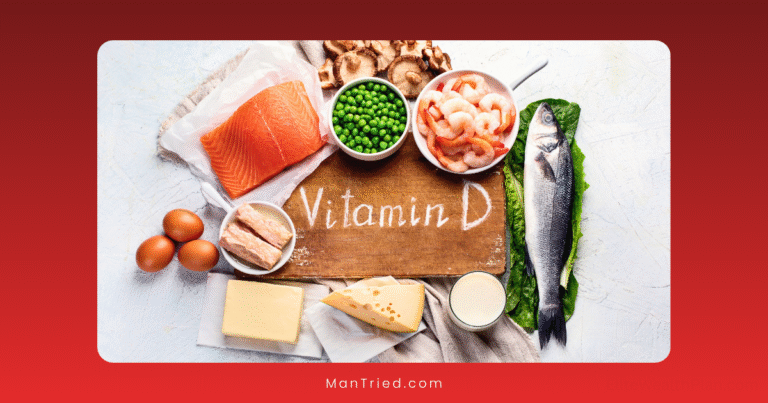
Research suggests a strong connection between vitamin D and sexual function. A study cited by CMH-RI found that vitamin D treatment improved sexual hormones and erectile function in middle-aged men who were deficient.
Vitamin D works synergistically with B vitamins, particularly B9 (folate), in several metabolic pathways relevant to sexual health.
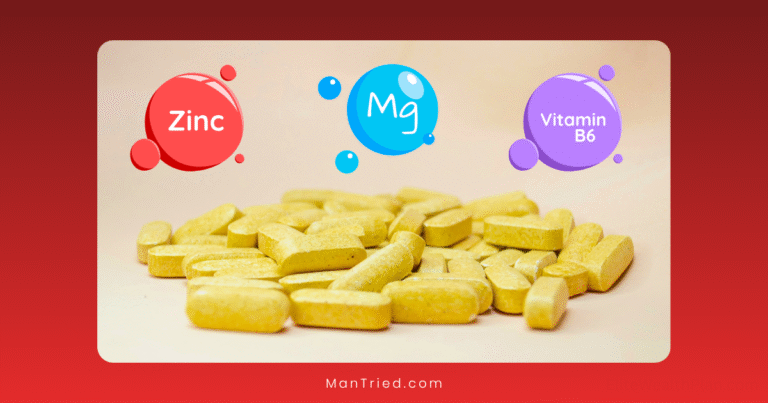
Zinc is crucial for testosterone production and has been shown to improve sexual desire in both men and women. According to Bird and Be, zinc supplementation has been linked to increased testosterone levels and significant improvements in sexual desire, arousal, sexual satisfaction, and vaginal lubrication in post-menopausal women.
B6 helps with zinc absorption and utilization, making this combination particularly effective.
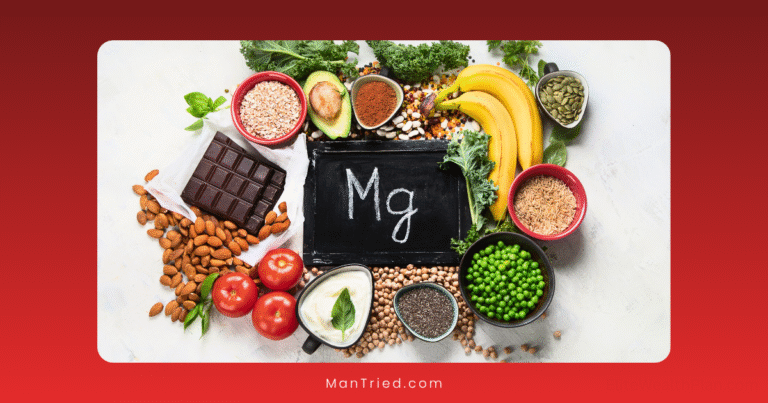
Magnesium supports testosterone production and helps activate vitamin B6. It also promotes relaxation, which can enhance sexual responsiveness.
Vitamins C and E protect blood vessels and nerve tissue from oxidative damage, complementing the effects of B vitamins on circulation and nerve function.
If you’re interested in using B vitamins to support your libido and sexual health, consider this practical approach:
Before turning to supplements, evaluate your current B vitamin intake:
Identify whether you belong to any high-risk groups for B vitamin deficiencies:
Incorporate these B vitamin-rich foods into your daily meals:
Breakfast options:
Lunch options:
Dinner options:
Snack options:
If dietary changes aren’t sufficient, or if you have identified risk factors for deficiency, consider these supplement approaches:
For general libido support:
For men with erectile concerns:
For women with low desire:
Important note: Always consult with a healthcare provider before starting any supplement regimen, especially at doses above the RDA.
Pay attention to how your body responds:
Adjust your approach based on results, and give it time—B vitamins often need several weeks to show their full effects on sexual health parameters.
While B vitamins are generally considered safe, there are some considerations to keep in mind:
B vitamins can interact with certain medications:
Research into B vitamins and sexual health continues to evolve, with several promising directions:
Emerging research suggests that genetic variations affect how individuals process B vitamins. Future approaches may include genetic testing to determine optimal B vitamin intake for sexual health based on your unique genetic profile.
Researchers are developing specialized B vitamin formulations that target specific aspects of sexual function, such as:
New delivery systems may improve the effectiveness of B vitamins for sexual health:
B vitamins may not have the exotic appeal of traditional aphrodisiacs or the pharmaceutical power of prescription medications, but the evidence suggests they play a fundamental role in supporting healthy libido and sexual function.
The research particularly highlights the importance of:
These nutrients work together to create the biochemical foundation for desire, arousal, and sexual satisfaction. While they may not provide immediate or dramatic effects like some pharmaceuticals, ensuring optimal B vitamin status through diet and targeted supplementation offers a natural, holistic approach to supporting sexual wellness over the long term.
Whether you’re dealing with age-related changes in libido, stress-induced desire issues, or simply want to optimize your sexual health, paying attention to these often-overlooked nutrients could make a significant difference in your intimate life.
Remember that sexual health is multifaceted, involving physical, psychological, and relationship factors. B vitamins are just one piece of the puzzle—albeit an important one that deserves more attention than it typically receives.
Have you noticed improvements in your libido or sexual function after increasing your B vitamin intake? Share your experience in the comments below!