🛍️ Products
❤️ Health
🌿 Wellness
💪 Performance
🤝 Relationships
🛍️ Products
❤️ Health
🌿 Wellness
💪 Performance
🤝 Relationships

Explore the structure and function of the male reproductive system. Learn how hormones, nerves, and blood flow contribute to arousal, erection, and pleasure.
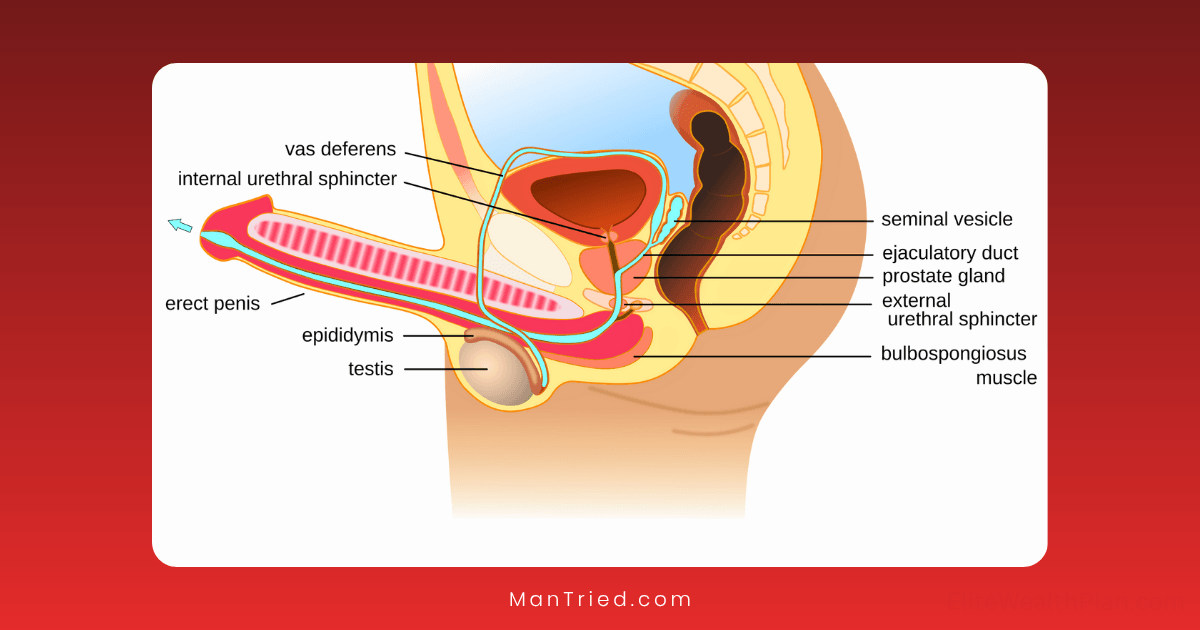
Ejaculation Mechanics: The Complete Physiological Process Explained Ejaculation is often understood simply as the expulsion of semen from the penis during sexual climax. However, beneath this seemingly straightforward event lies an intricate symphony of neurological signals, hormonal influences, and precisely…
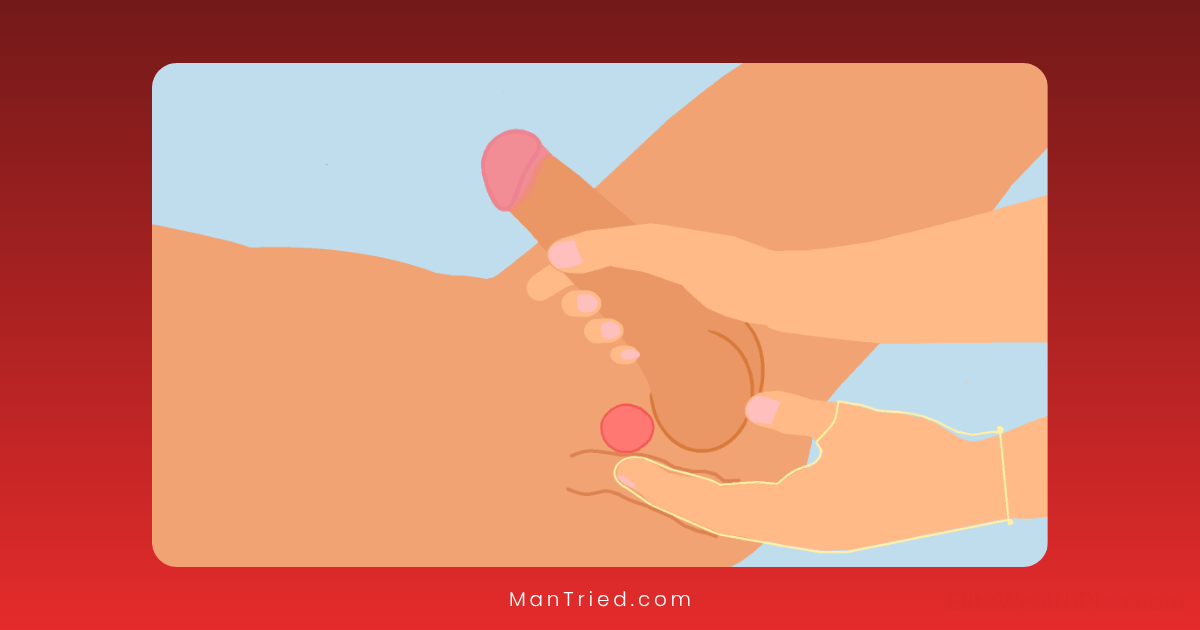
The Prostate’s Role in Male Sexual Function and Pleasure When it comes to male sexual pleasure, the penis typically gets all the attention. But hiding just beneath the surface is an often-overlooked powerhouse of pleasure: the prostate gland. This walnut-sized…
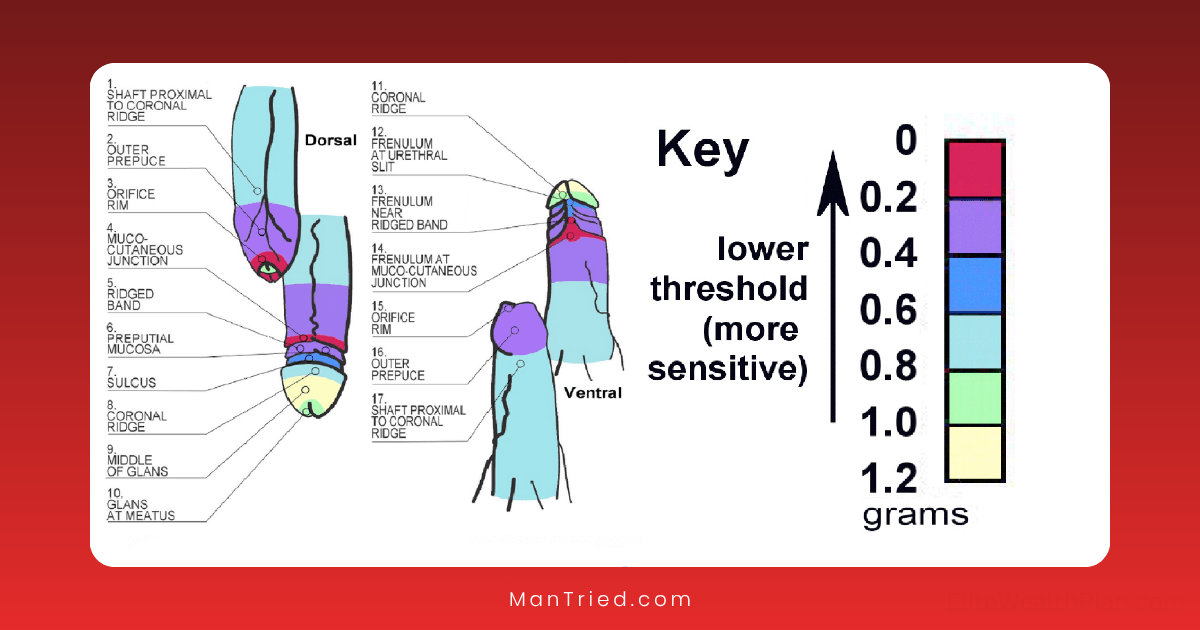
Penile Sensitivity Mapping: Understanding Your Personal Pleasure Zones Have you ever wondered why certain touches feel incredible while others barely register? The answer lies in your unique sensitivity map—a personal blueprint of pleasure that’s as individual as your fingerprint. Today,…
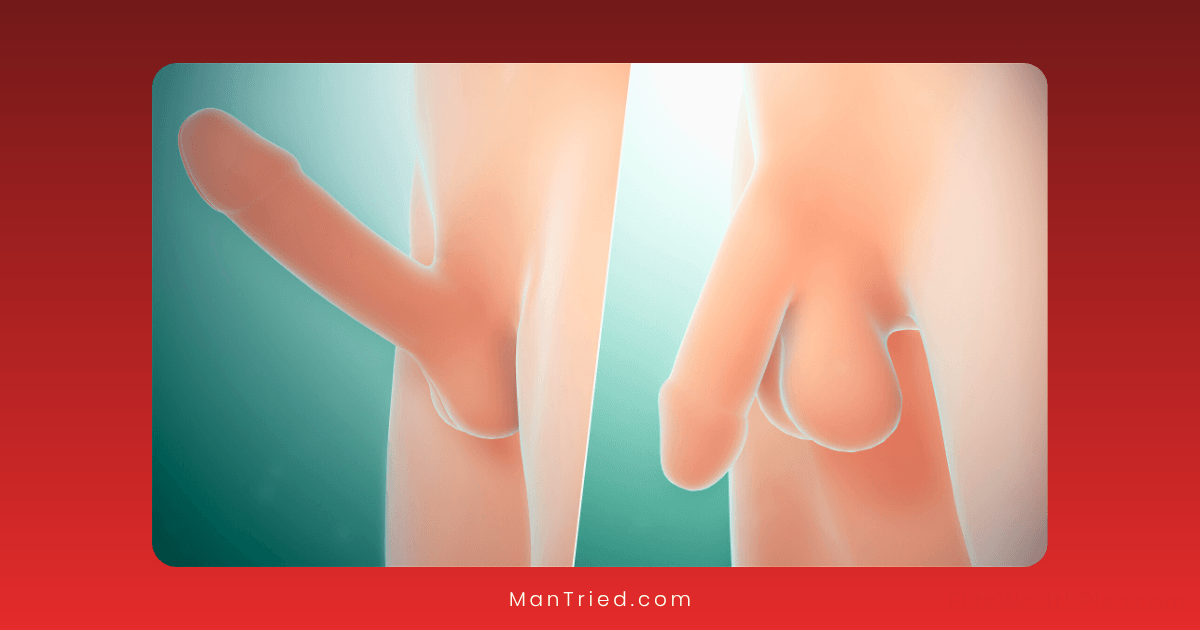
The Erection Process Explained: Vascular, Neurological, and Hormonal Factors The human erection is a remarkable feat of biological engineering—a complex interplay of vascular, neurological, and hormonal systems working in precise coordination. While often taken for granted when functioning properly, this…
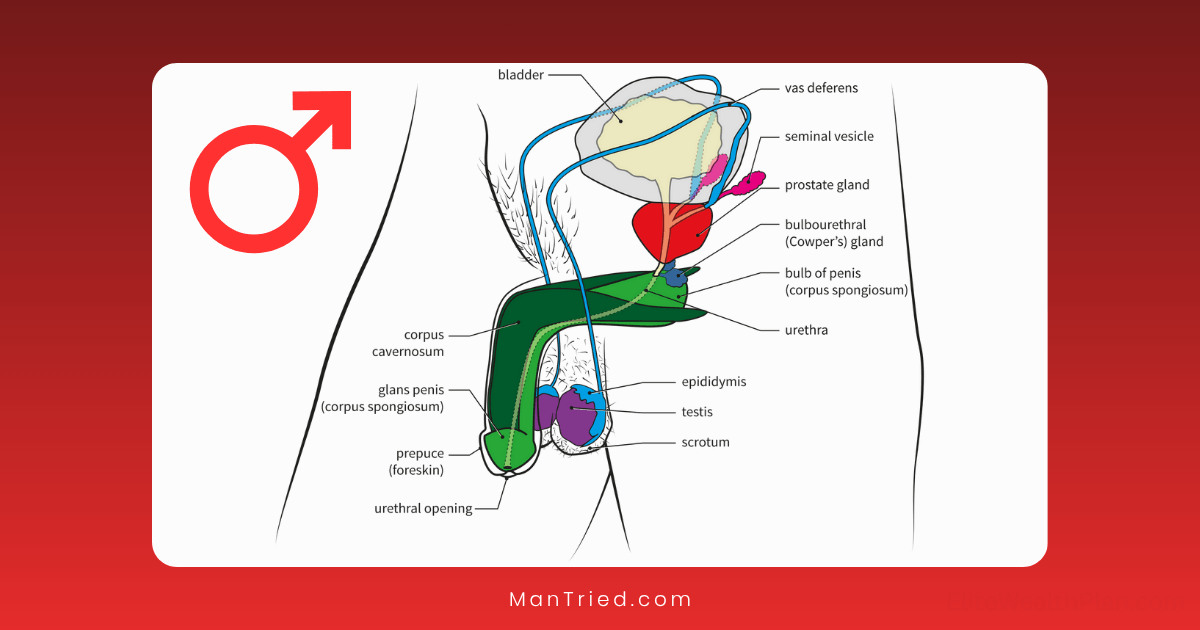
Male Sexual Anatomy: The Parts Nobody Talks About When it comes to male sexual anatomy, most conversations begin and end with the penis. It’s as if men’s bodies consist of one solitary organ, with everything else relegated to supporting roles…