🛍️ Products
❤️ Health
🌿 Wellness
💪 Performance
🤝 Relationships
🛍️ Products
❤️ Health
🌿 Wellness
💪 Performance
🤝 Relationships

When it comes to male sexual pleasure, the penis typically gets all the attention. But hiding just beneath the surface is an often-overlooked powerhouse of pleasure: the prostate gland. This walnut-sized organ plays a crucial role not only in reproductive health but also in sexual satisfaction. Let’s explore the fascinating world of the prostate and discover why some call it the male “P-spot.”
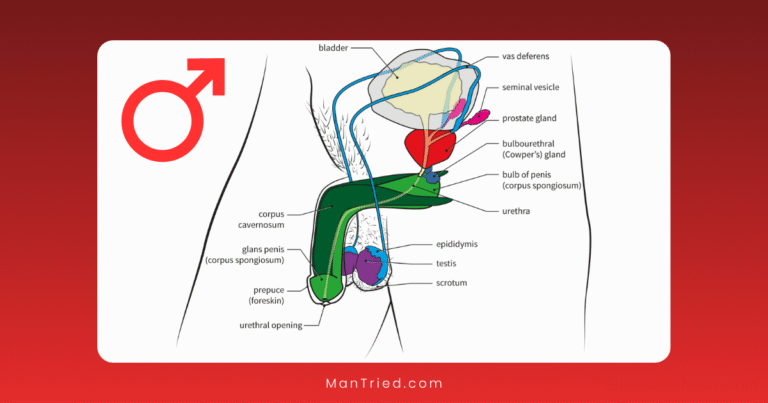
The prostate is a small exocrine gland—about the size and shape of a walnut—located just below the bladder and in front of the rectum. It surrounds the urethra, the tube that carries urine and semen out of the body.
According to the American Urological Association, the prostate serves several essential functions:
But beyond these reproductive functions lies its lesser-discussed role in sexual pleasure.
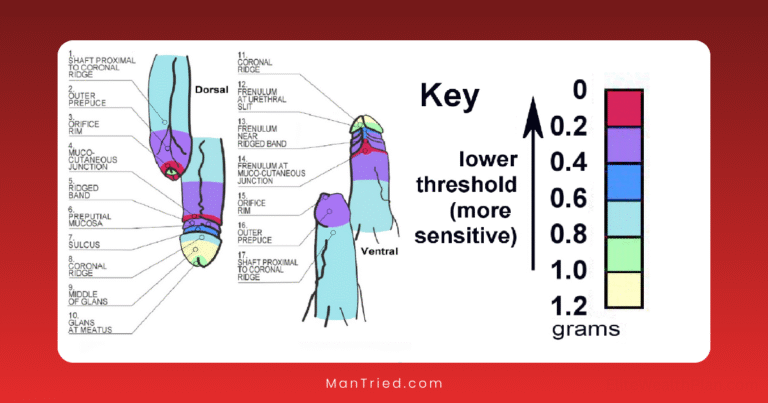
Research published in the Journal of Sexual Medicine has demonstrated that the prostate contains numerous nerve endings that make it highly sensitive to touch and pressure. These nerve endings are connected to the same neural pathways involved in penile pleasure, creating a complex network of sensation.
Dr. Irwin Goldstein, editor-in-chief of Sexual Medicine Reviews, explains: “The prostate has been called the male G-spot for good reason. When stimulated properly, it can produce intense sensations that differ qualitatively from those experienced through penile stimulation alone.”
The prostate’s pleasure potential stems from its rich innervation by both:
A 2023 study from Nature Reviews Urology found that prostate stimulation activates multiple sensory pathways simultaneously, potentially explaining why prostate-induced orgasms are often described as more intense and full-bodied than their penile counterparts.
Many men who have experienced prostate-induced orgasms report several distinct characteristics:
A survey conducted by researchers at the Kinsey Institute found that men who regularly incorporated prostate stimulation into their sexual activities reported 28% higher overall sexual satisfaction scores than those who didn’t.
The prostate isn’t just a passive pleasure center—it actively participates in the ejaculatory process. During arousal, the prostate begins producing its contribution to seminal fluid, which contains several important components:
During ejaculation, the muscular tissue of the prostate contracts rhythmically, helping to propel semen through the urethra. These contractions are a significant source of the pleasure sensations experienced during orgasm.
According to research from the National Institutes of Health, these contractions are controlled by a complex interplay of hormones and neurotransmitters, including:
The health of your prostate directly impacts your sexual function and pleasure potential. Common prostate conditions can significantly affect sexual experience:
This non-cancerous enlargement of the prostate affects about 50% of men by age 60, according to the Mayo Clinic. BPH can cause:
Inflammation of the prostate, whether bacterial or non-bacterial, can lead to:
Prostate cancer treatments, while life-saving, can significantly impact sexual function:
A comprehensive 2024 review in European Urology found that nerve-sparing surgical techniques have improved outcomes, with up to 60% of men recovering satisfactory sexual function after prostate surgery when nerves are carefully preserved.
For those interested in exploring prostate stimulation, safety and proper technique are essential. Here are evidence-based recommendations:
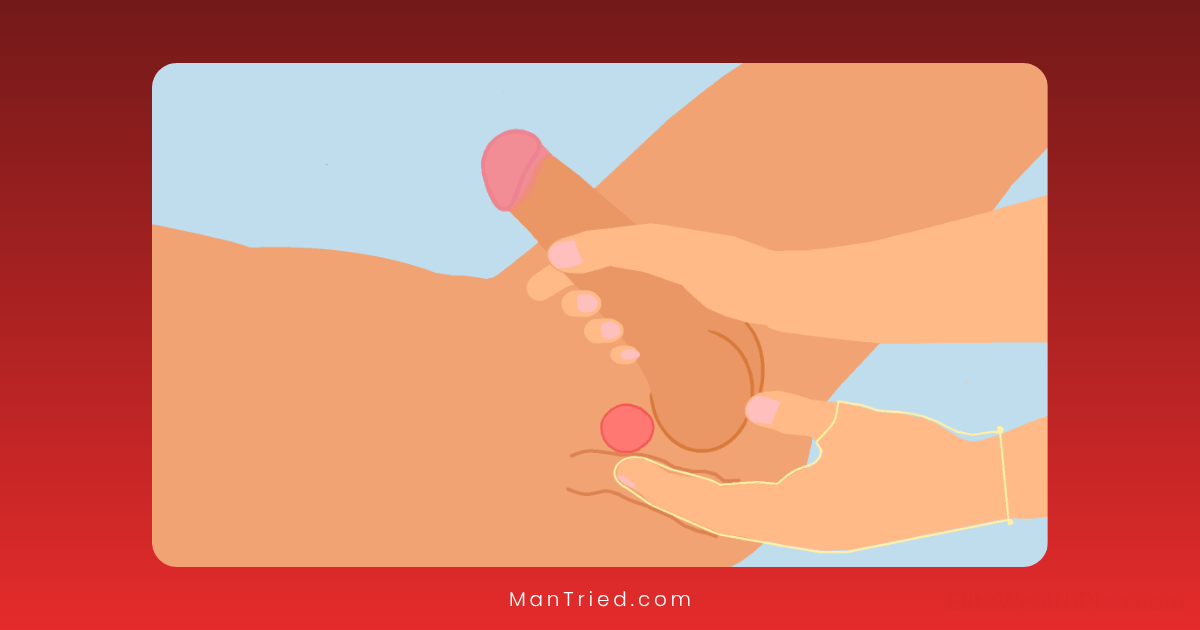
The prostate can be indirectly stimulated through the perineum—the area between the scrotum and anus. This approach is non-invasive and comfortable for beginners.
Technique: Apply firm pressure with two fingers to the perineum and make small circular or back-and-forth motions.
Direct stimulation provides more intense sensations but requires careful preparation:
According to sexual health experts at Planned Parenthood, communication with partners about comfort levels, boundaries, and preferences is crucial when exploring prostate stimulation together.
Interestingly, research suggests a potential link between ejaculation frequency and prostate health. A landmark study published in JAMA followed 29,342 men for 18 years and found that those who ejaculated 21 or more times per month had a 31% lower risk of prostate cancer than those who ejaculated 4-7 times per month.
Scientists hypothesize several potential mechanisms for this protective effect:
Dr. Charles Welliver, Director of Men’s Health at Albany Medical College, notes: “While we can’t say definitively that frequent ejaculation prevents prostate cancer, the evidence suggests it may be beneficial for overall prostate health.”
Despite its importance to male sexual function and pleasure, the prostate remains underappreciated and often misunderstood. Increasing awareness about this vital gland can help men:
Organizations like the Men’s Health Network advocate for greater prostate awareness, encouraging men to be proactive about both the health and pleasure aspects of this important gland.
The prostate deserves recognition as a crucial component of male sexual function and pleasure. From its role in producing seminal fluid to its potential as an orgasmic powerhouse, this small gland has an outsized impact on sexual experience.
By understanding the prostate’s dual roles in reproduction and pleasure, men can take a more holistic approach to their sexual health—potentially enhancing both their pleasure and long-term wellbeing.
Whether you’re dealing with prostate health concerns or simply curious about expanding your pleasure potential, greater knowledge about this remarkable gland can lead to better-informed choices and potentially richer sexual experiences.