Do Natural Testosterone Boosters Actually Work? The Evidence in 2025
In recent years, the market for testosterone-boosting supplements has exploded, with global sales reaching an estimated $5.78 billion in 2025 and projections suggesting growth to $7.35 billion by 2029. As more men become concerned about declining testosterone levels—whether due to aging, lifestyle factors, or simply the desire for enhanced physical performance—the appeal of “natural” solutions has never been stronger.
But behind the marketing claims and testimonials lies a crucial question: Do these natural testosterone boosters actually work? This comprehensive analysis examines the latest scientific evidence from 2025 to separate fact from fiction and help you make informed decisions about these increasingly popular supplements.
Understanding Testosterone: Why It Matters
Before diving into the effectiveness of natural boosters, it’s important to understand what testosterone is and why maintaining healthy levels matters.
Testosterone is the primary male sex hormone responsible for:
- Developing and maintaining male sexual characteristics
- Supporting muscle mass and strength
- Contributing to bone density
- Influencing energy levels and mood
- Playing a role in cognitive function
- Supporting healthy libido and sexual function
Normal testosterone levels in adult males typically range from 300 to 1,000 nanograms per deciliter (ng/dL), with levels naturally peaking in early adulthood (mid-twenties) and gradually declining by about 1-2% per year after age 30. According to recent data, more than 33% of men over 45 may have lower than normal testosterone levels.
The Natural Testosterone Booster Market: What’s Being Sold
The supplement industry has responded to concerns about declining testosterone with a wide array of products claiming to naturally boost hormone levels. These supplements typically contain a combination of vitamins, minerals, herbs, and other compounds that purportedly support testosterone production.
Common ingredients include:
- Ashwagandha (Withania somnifera)
- Fenugreek (Trigonella foenum-graecum)
- D-Aspartic Acid (DAA)
- Zinc
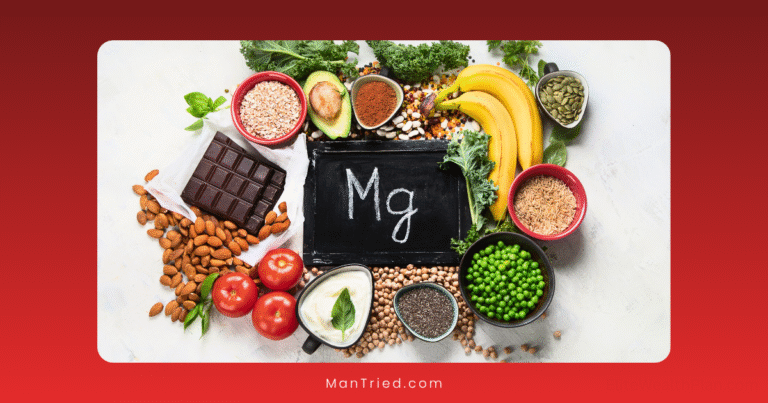
- Magnesium
- Vitamin D
- DHEA (Dehydroepiandrosterone)
- Tribulus terrestris
- Tongkat Ali (Eurycoma longifolia)
- Maca root (Lepidium meyenii)
According to a comprehensive analysis of testosterone-boosting supplements published in PMC, researchers identified 109 unique ingredients across the products they examined, with an average of 8.3 ingredients per supplement. Zinc was the most common ingredient, found in 64.4% of products, followed by fenugreek extract (48.9%), D-aspartic acid (20%), and ashwagandha extract (17.8%).
But the real question remains: Do any of these ingredients actually work?
The Scientific Evidence: Ingredient by Ingredient Analysis
Let’s examine the latest evidence for the most common ingredients in testosterone boosters.
Ashwagandha (KSM-66)
Ashwagandha has emerged as one of the more promising natural testosterone boosters, particularly in its standardized KSM-66 form.
The Evidence: A clinical study highlighted by GlobeNewswire in 2025 found that men taking 300 mg of KSM-66 ashwagandha twice daily experienced an average increase of 96 ng/dL in testosterone compared to an 18 ng/dL increase in the placebo group. This represents a potentially meaningful increase, particularly when combined with resistance training.
A 2022 review cited by Medical News Today also indicated that ashwagandha may increase testosterone levels, though the researchers noted that the studies involved specific populations and more research is needed to confirm its effects across broader groups.
The Verdict: Among natural testosterone boosters, ashwagandha (particularly KSM-66) has some of the strongest evidence supporting its effectiveness. Its benefits appear to be most pronounced when combined with resistance training and may work partly through stress reduction, as cortisol and testosterone have an inverse relationship.
Fenugreek
Fenugreek is one of the most common ingredients in testosterone boosters, found in nearly half of all products.
The Evidence: Studies on fenugreek have shown mixed results. According to Medical News Today, research has not demonstrated statistically significant changes in testosterone levels compared to placebo groups. However, some studies suggest that fenugreek’s furostanolic saponins may help maintain testosterone levels that would otherwise decline during aging or intense exercise.
The Verdict: Despite its popularity, the evidence for fenugreek as a testosterone booster remains inconsistent. It may help prevent testosterone decline in certain circumstances rather than significantly increasing levels above baseline.
D-Aspartic Acid (DAA)
D-aspartic acid is an amino acid that plays a role in testosterone synthesis and release.
The Evidence: Research on D-aspartic acid shows mixed results. According to WebMD, DAA may increase follicle-stimulating hormone and luteinizing hormone, which are involved in testosterone production. However, studies on its direct effect on testosterone levels have been inconsistent.
Some research suggests that DAA may temporarily increase testosterone levels in untrained men or those with lower baseline levels, but these effects may not persist beyond 1-2 weeks of supplementation. Additionally, there’s evidence suggesting that DAA may not benefit men who already have normal or high testosterone levels.
The Verdict: D-aspartic acid may provide modest, short-term benefits for men with low testosterone, particularly those who are untrained. However, it doesn’t appear to be effective for long-term testosterone enhancement, especially in men with normal baseline levels.
Zinc
Zinc is the most common ingredient in testosterone boosters, appearing in nearly two-thirds of products.
The Evidence: There is a well-established link between zinc deficiency and low testosterone levels. According to WebMD, long-term zinc supplementation may lead to increased testosterone levels, particularly in men who are deficient in this mineral.
However, research does not support the idea that supplementing with zinc beyond correcting a deficiency will further increase testosterone levels. In fact, excessive zinc intake can lead to adverse effects, including reduced immune function and decreased HDL (“good”) cholesterol levels.
The Verdict: Zinc supplementation is likely beneficial for men with zinc deficiency but probably won’t boost testosterone levels in those with adequate zinc status. Given that the median content of zinc in testosterone boosters is 272% of the Recommended Daily Allowance (RDA), and some products exceed the upper tolerable limit, there’s a risk of excessive intake.
Vitamin D
Vitamin D has gained attention for its potential role in testosterone production.
The Evidence: According to WebMD, a study found that men taking 3,300 IU of vitamin D daily increased testosterone levels by 20% over those who did not. This finding is supported by other research showing correlations between vitamin D status and testosterone levels.
The mechanism appears to be related to vitamin D receptors in the testes and its role in steroidogenesis (the production of steroid hormones, including testosterone).
The Verdict: Among vitamin supplements, vitamin D shows some of the strongest evidence for supporting testosterone production, particularly in men with vitamin D deficiency or insufficiency. Given the high prevalence of vitamin D insufficiency in many populations, supplementation may benefit a substantial number of men.
DHEA
DHEA (dehydroepiandrosterone) is a hormone that serves as a precursor to both testosterone and estrogen.
The Evidence: According to WebMD, DHEA supplements have been shown to increase blood testosterone levels in both men and women, but results vary across studies. The effects appear to be more consistent in older adults, as DHEA levels naturally decline with age.
However, DHEA supplementation comes with concerns about potential side effects, including acne, hair loss, and hormonal imbalances. It may also pose risks for individuals with hormone-sensitive conditions.
The Verdict: DHEA shows some promise for increasing testosterone levels, particularly in older adults. However, its status as a hormone precursor rather than a nutrient means it carries more potential risks than many other supplement ingredients. Caution is warranted, especially for younger men with normal hormone production.
The Bigger Picture: What Research Tells Us About Testosterone Boosters
Looking beyond individual ingredients, what does the research tell us about testosterone boosters as a whole?
A concerning finding from a study led by Dr. Mary K. Samplaski and reported by USC Health Sciences News revealed that of the testosterone-boosting supplements reviewed:
- 90% claimed to enhance testosterone levels
- Less than 25% had scientific data supporting these claims
- 10.1% contained ingredients that might actually decrease testosterone levels
- Many contained doses exceeding tolerable limits for certain vitamins and minerals
Similarly, the comprehensive analysis published in PMC found that:
- Only 24.8% of supplements had data showing an increase in testosterone with supplementation
- 10.1% had data showing a decrease in testosterone levels
- 18.3% had data showing no change in testosterone levels
- 61.5% had no data available regarding their effect on testosterone levels
These findings highlight a significant gap between marketing claims and scientific evidence for many testosterone-boosting supplements.
Safety Concerns: What You Should Know
Beyond questions of efficacy, safety concerns exist for many testosterone boosters:
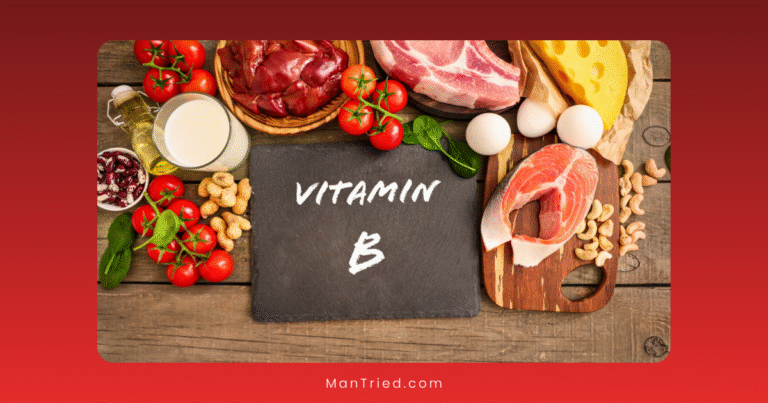
- Excessive Nutrient Levels: Many supplements contain vitamins and minerals far exceeding recommended daily allowances. For example, the median content of vitamin B12 was 1,291% of the RDA, and vitamin B6 was 807.6% of the RDA.
- Liver Health Risks: A case study reported in PMC described an athlete who experienced abdominal pain after consuming a testosterone booster for 42 days, with elevated liver enzymes indicating liver injury. This aligns with data showing that approximately 13% of annual cases of acute liver failure in the U.S. are attributable to drug- and supplement-induced liver injury.
- Undisclosed Ingredients: Some testosterone boosters may contain undisclosed ingredients, including prescription drugs or untested compounds.
- Hormonal Imbalances: Some ingredients, particularly hormone precursors like DHEA, may disrupt the body’s natural hormonal balance, potentially leading to unintended side effects.
- Individual Variation: The effectiveness and safety of testosterone boosters can vary significantly based on factors like age, baseline testosterone levels, overall health status, and genetic factors.
The Lifestyle Alternative: Evidence-Based Natural Testosterone Support
While the evidence for most supplement ingredients remains mixed, research consistently supports several lifestyle factors for maintaining healthy testosterone levels:
1. Maintain a Healthy Weight
According to Harvard Health, excess body fat can contribute to lower testosterone, while losing weight through a balanced diet and regular exercise can boost testosterone production by up to 30%. This makes weight management perhaps the most effective natural testosterone booster for many men.
2. Engage in Regular Resistance Training
A 2025 study published in PMC found that hypertrophy training was a positive predictor of testosterone levels (β = 20.3, p < 0.001). This aligns with other research showing that moderate- or high-intensity resistance exercises involving large muscle groups produce the largest improvements in testosterone levels.
According to University of Utah Health, even lifting weights twice a week for 30 to 40 minutes can make a significant difference in testosterone levels.
3. Prioritize Quality Sleep
The same 2025 study found that sleep deprivation (less than 6 hours) significantly decreased testosterone levels (β = -18.2, p < 0.001). According to HE Clinics, skipping even one night of sleep can reduce testosterone levels by as much as the equivalent of aging 10 to 15 years.
Most testosterone release occurs during sleep, especially during REM stages, and men need at least 3 hours of quality sleep to effectively stimulate testosterone production. Aiming for 7-9 hours of quality sleep per night appears optimal for testosterone production.
4. Optimize Vitamin D Levels
The 2025 study also found that sunlight exposure greater than 60 minutes daily was positively associated with testosterone levels (β = 10.3, p = 0.03). This aligns with other research showing correlations between vitamin D status and testosterone levels.
While supplementation can help, natural sun exposure (with appropriate skin protection) provides additional benefits beyond vitamin D production.
5. Manage Stress Effectively
Chronic stress increases cortisol levels, which can interfere with testosterone production. Stress management techniques like meditation, deep breathing exercises, and regular physical activity can help maintain healthy testosterone levels.
6. Limit Alcohol and Avoid Tobacco
According to the 2025 study, tobacco use was associated with lower testosterone levels (β = -15.6, p < 0.001). Similarly, excessive alcohol consumption can lower testosterone levels, impair sexual function, and reduce sperm count.
7. Follow a Balanced Diet
The 2025 study found that non-vegetarians showed higher testosterone levels compared to vegetarians (β = 8.7, p = 0.03), suggesting that dietary patterns may influence hormone levels. Additionally, daily carbonated beverage consumption correlated negatively with testosterone levels (β = -10.2, p = 0.01).
A well-rounded diet rich in healthy fats, proteins, and nutrient-dense fruits and vegetables supports healthy testosterone production. Foods linked to increased testosterone include onions, oysters, fatty fish (rich in omega-3 fats), and extra virgin olive oil.
Conclusion: The State of Natural Testosterone Boosters in 2025
Based on the current scientific evidence, here’s what we can conclude about natural testosterone boosters in 2025:
- Most supplements lack strong evidence: Despite marketing claims, the majority of testosterone-boosting supplements do not have robust scientific support for their effectiveness.
- Some ingredients show promise: Among supplement ingredients, KSM-66 ashwagandha has some of the strongest evidence, particularly when combined with resistance training. Vitamin D and zinc supplementation may benefit men with deficiencies in these nutrients.
- Lifestyle factors are more effective: Weight management, resistance training, adequate sleep, stress management, and a balanced diet consistently show stronger effects on testosterone levels than most supplements.
- Safety concerns exist: Many testosterone boosters contain excessive amounts of certain nutrients, may include undisclosed ingredients, and could potentially cause adverse effects, including liver damage in some cases.
- Individual variation matters: The effectiveness and safety of testosterone boosters can vary significantly based on factors like age, baseline testosterone levels, overall health status, and genetic factors.
For men concerned about their testosterone levels, the evidence suggests that focusing on lifestyle optimization should be the first-line approach, potentially supplemented with targeted nutrients like vitamin D and zinc if deficiencies exist. For those with clinically low testosterone, consulting with a healthcare provider about evidence-based treatments remains the most prudent course of action.
While the allure of a simple supplement solution is understandable, the evidence in 2025 continues to suggest that there are no magic pills for optimal testosterone—just the consistent application of evidence-based lifestyle practices that support overall health and hormonal balance.