🛍️ Products
❤️ Health
🌿 Wellness
💪 Performance
🤝 Relationships
🛍️ Products
❤️ Health
🌿 Wellness
💪 Performance
🤝 Relationships

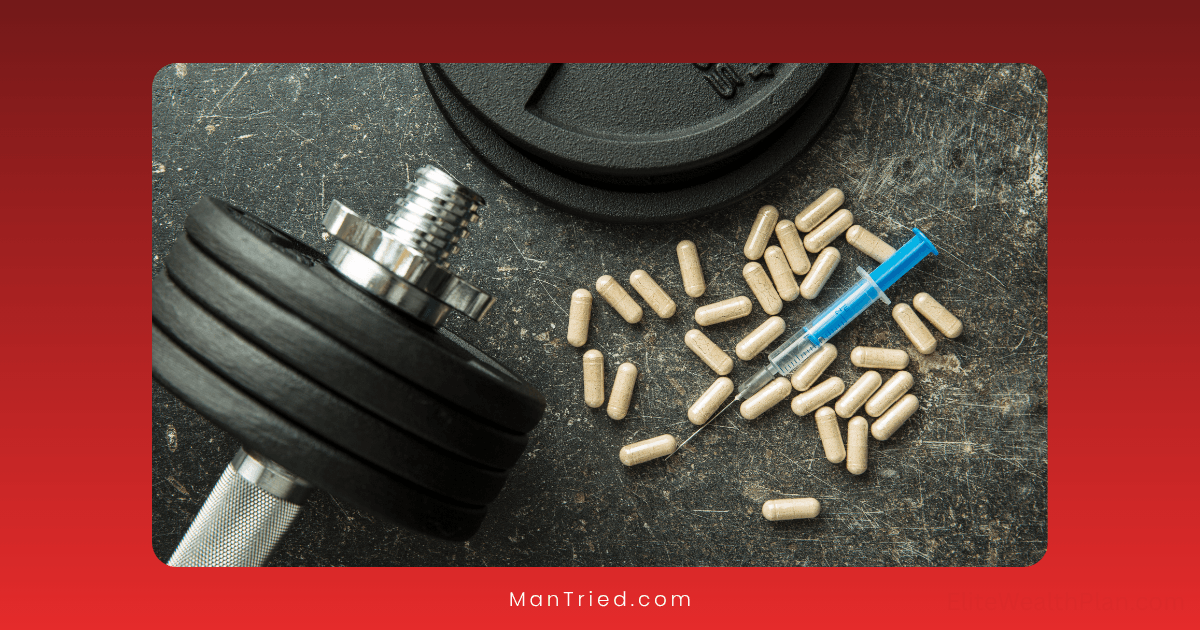
In the quest for optimal physical performance, muscle growth, and overall vitality, the relationship between testosterone and exercise has become a focal point for many fitness enthusiasts. Testosterone, the primary male sex hormone, plays a crucial role in muscle protein synthesis, recovery, energy levels, and body composition. With the growing popularity of natural testosterone boosters, a critical question emerges: How should you time these supplements with your workouts to maximize their benefits?
This comprehensive guide examines the science behind testosterone boosters and exercise timing, providing evidence-based strategies to optimize your hormonal response and training results.
Before diving into supplement timing, it’s essential to understand how exercise naturally affects testosterone levels.
Research consistently shows that exercise—particularly resistance training—can trigger a significant acute increase in testosterone levels. According to a 2023 study published in PMC, several factors influence this hormonal response:
The testosterone elevation from resistance exercise typically peaks immediately post-workout and can remain elevated for 15-60 minutes before returning to baseline levels. This “anabolic window” represents a key opportunity for maximizing the benefits of both exercise and supplementation.
Beyond the acute response, consistent resistance training offers long-term benefits for testosterone levels. According to Dr. Mirkin’s 2025 research, men who regularly strength trained over 2 years maintained testosterone levels, while sedentary controls experienced typical annual declines of 1-2%.
This suggests that regular resistance training not only provides acute hormonal benefits but may also slow age-related testosterone decline—a compelling reason to incorporate strength training into your long-term fitness strategy.
Before discussing timing strategies, let’s examine some of the most evidence-backed natural testosterone boosters and their mechanisms of action:
Mechanism: Ashwagandha primarily works by reducing cortisol (stress hormone) levels, which indirectly supports testosterone production. It may also directly influence the hypothalamic-pituitary-gonadal axis.
Evidence: According to a clinical study highlighted by GlobeNewswire in 2025, men taking 300 mg of KSM-66 ashwagandha twice daily showed a 96 ng/dL average increase in testosterone compared to an 18 ng/dL increase in the placebo group when combined with resistance training.
Typical Dosage: 300-600 mg daily, often split into morning and evening doses.
Mechanism: Fenugreek contains compounds that may inhibit the enzyme aromatase, which converts testosterone to estrogen, potentially preserving testosterone levels.
Evidence: According to Nutrifitt, fenugreek supplementation has been shown to boost free testosterone levels by up to 46% in some studies. An eight-week supplementation period also resulted in significant improvements in leg press and bench press performance.
Typical Dosage: 500-600 mg daily.
Mechanism: DAA stimulates the release of luteinizing hormone (LH) from the pituitary gland, which signals the testes to produce more testosterone.
Evidence: Research cited by Nutrifitt suggests that D-Aspartic Acid can raise testosterone levels by up to 42% in just 12 days, though results vary significantly between individuals.
Typical Dosage: 2-3 grams daily.
Mechanism: This mineral combination supports testosterone production, with zinc being a crucial component in testosterone synthesis and magnesium supporting sleep quality and recovery.
Evidence: While research on ZMA specifically is mixed, zinc deficiency is strongly associated with low testosterone levels, and correcting this deficiency can normalize hormonal status.
Typical Dosage: Typically 30mg zinc, 450mg magnesium, and 10-11mg vitamin B6.
Now that we understand both the exercise-induced testosterone response and the mechanisms of popular testosterone boosters, let’s explore evidence-based timing strategies to maximize their benefits.
According to Whey Okay and Cellucor, one of the most effective approaches is split dosing—taking part of your supplement in the morning and part in the evening.
Morning Dose Benefits:
Evening Dose Benefits:
This approach is particularly effective for supplements containing ashwagandha, which has been shown to reduce cortisol levels and may improve sleep quality when taken in the evening.
For those who train in the afternoon or evening, taking certain testosterone boosters before your workout may enhance the exercise-induced testosterone response.
Recommended Approach:
According to Performance Lab, combining testosterone boosters with pre-workout supplements is generally safe if both contain clean, natural ingredients without excessive stimulants.
The post-workout period represents a critical window for recovery and adaptation, making it another potential opportunity for testosterone booster timing.
Recommended Approach:
Dr. Mirkin’s 2025 research highlights that post-workout protein intake within 2 hours of training significantly influences the testosterone response to exercise, suggesting that this window may be ideal for certain testosterone-supporting supplements as well.
For those with varied training schedules, a more nuanced approach may be beneficial.
Recommended Approach:
This personalized approach acknowledges that different ingredients may provide different benefits depending on your daily activities and training status.
Different testosterone-boosting ingredients may benefit from specific timing strategies:
Optimal Timing: Split dosing with 300mg in the morning and 300mg in the evening.
Research Support: According to the 2025 GlobeNewswire report, Testosil (which contains KSM-66 ashwagandha) is recommended to be taken as two capsules daily, one in the morning and one in the evening.
Exercise Considerations: Taking ashwagandha before high-intensity workouts may help reduce exercise-induced cortisol elevation, potentially preserving testosterone levels during and after training.
Optimal Timing: With meals, typically breakfast and dinner.
Research Support: Studies showing fenugreek’s effectiveness typically used divided doses with meals to maximize absorption and minimize potential digestive discomfort.
Exercise Considerations: Taking fenugreek with a pre-workout meal may help maintain higher testosterone levels during training by inhibiting aromatase activity.
Optimal Timing: Morning, preferably with breakfast.
Research Support: Most clinical studies administered D-Aspartic Acid in the morning, which aligns with the body’s natural testosterone production rhythm.
Exercise Considerations: For morning training sessions, taking D-Aspartic Acid upon waking (30-60 minutes pre-workout) may enhance the exercise-induced testosterone response.
Optimal Timing: 30-60 minutes before bed on an empty stomach.
Research Support: According to Cellucor, ZMA is most effective when taken before sleep, as it may enhance sleep quality and support overnight recovery processes.
Exercise Considerations: ZMA should be taken regardless of training schedule, but may be particularly beneficial on training days to support recovery.
Beyond supplement timing, the timing of your workouts themselves can significantly impact testosterone response.
According to Limitless Male, morning workouts align with naturally higher testosterone levels, potentially amplifying the hormonal response to exercise.
Benefits:
Supplement Strategy for Morning Workouts:
While morning workouts align with peak testosterone levels, late afternoon workouts (4-6 PM) offer their own hormonal advantages.
Benefits:
Supplement Strategy for Afternoon/Evening Workouts:
According to Dr. Mirkin’s 2025 research, specific resistance training protocols can optimize testosterone response:
This approach led to 15-20% increases in total testosterone levels over 12 weeks in men over 40, highlighting the importance of proper training structure alongside supplement timing.
When combining testosterone boosters with exercise, certain synergistic effects may emerge:
Based on the research, here’s a practical framework for timing testosterone boosters with exercise:
Pre-Workout (30-60 minutes before):
Post-Workout:
Evening:
Morning:
Pre-Workout (30-60 minutes before):
Evening:
Morning:
Evening:
To truly optimize your testosterone booster timing, consider these monitoring strategies:
The optimal timing of testosterone boosters with exercise isn’t one-size-fits-all. While the research provides valuable guidelines, individual factors like age, training experience, baseline hormonal status, and specific goals all influence the ideal approach.
The most effective strategy combines evidence-based principles with personal experimentation:
By thoughtfully timing your testosterone boosters in relation to your exercise routine, you can potentially enhance their effectiveness and maximize your training results. However, keep in mind that even the best timing strategy can’t compensate for poor training, inadequate nutrition, or insufficient recovery.
The science of testosterone optimization continues to evolve, with new research emerging regularly. The strategies outlined in this guide represent the current understanding as of 2025, but staying informed about new developments will help you continue to refine your approach.
While optimizing testosterone booster timing can enhance your results, it’s important to maintain perspective on where this fits within your overall fitness and health strategy.
The hierarchy of importance for testosterone optimization is:
By focusing first on the fundamentals while thoughtfully implementing the timing strategies outlined in this guide, you can create an integrated approach that maximizes both natural testosterone production and the effectiveness of any supplements you choose to include in your regimen.
Remember that testosterone is just one factor in your overall health and performance. The ultimate goal should be creating a sustainable approach that supports not just optimal hormonal health, but overall wellness and quality of life.
While taking all supplements at once is more convenient, research suggests that split dosing may provide more stable hormone support throughout the day. According to Whey Okay, splitting your dosage between morning and evening helps maintain more consistent hormonal support and may reduce the risk of side effects from larger single doses.
Yes, maintaining consistent supplementation on rest days is important. According to Cellucor, testosterone boosters are typically recommended for use over 8 consecutive weeks alongside a proper diet and resistance training. Rest days are when much of your recovery and muscle growth occurs, making hormonal support equally important.
While some testosterone boosters may provide modest benefits without exercise, their effects are significantly enhanced when combined with resistance training. According to Dr. Mirkin’s 2025 research, the combination of proper resistance training protocols and nutritional support produces the most significant improvements in testosterone levels.
Results timeline varies by ingredient and individual:
Women naturally have much lower testosterone levels than men, and their hormonal response to both supplements and exercise differs. According to a 2023 study published in MDPI, both high-intensity interval training and traditional resistance training actually decreased testosterone levels in women while improving overall hormonal balance. Women should consult healthcare providers before using testosterone-boosting supplements, as they may cause unwanted side effects.
Yes, resistance training with compound movements appears to create the strongest synergy with testosterone boosters. According to PMC, resistance training produces a more pronounced effect on testosterone levels compared to endurance training, particularly when using higher intensity loads with shorter rest periods.