🛍️ Products
❤️ Health
🌿 Wellness
💪 Performance
🤝 Relationships
🛍️ Products
❤️ Health
🌿 Wellness
💪 Performance
🤝 Relationships

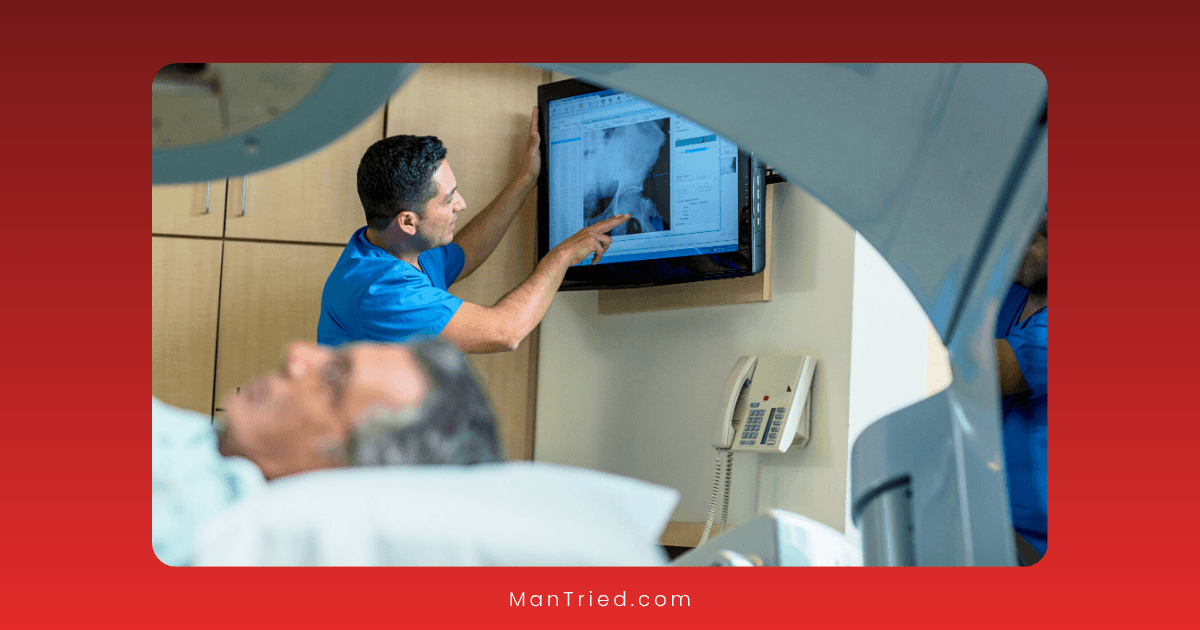
For the thousands of men who undergo radiation therapy for prostate cancer each year, the journey doesn’t end when treatment concludes. While modern radiation techniques have dramatically improved cancer outcomes—with 20-year cancer-specific survival rates approaching 80%—many survivors face a challenging road to sexual recovery.
The reality is stark: up to 90% of men experience erectile dysfunction (ED) following radiation therapy. But there’s hope. Structured penile rehabilitation programs are revolutionizing recovery, helping men regain sexual function and maintain intimate relationships after cancer treatment.
Before diving into rehabilitation protocols, it’s essential to understand how radiation affects erectile function. Unlike surgical ED, which results from direct nerve damage, radiation-induced ED develops gradually through:
This gradual onset means that some men maintain erectile function immediately after radiation therapy, only to experience decline months or years later. According to a 2024 study published in PMC, without intervention, the natural recovery rates vary significantly with age—70% for men under 60, dropping to just 30% for those over 65.
The timing of rehabilitation initiation remains somewhat controversial, but emerging consensus supports early intervention:
| Timeframe | Recommended Actions |
| During radiation treatment | Baseline erectile function assessment |
| 1-3 months post-treatment | Initial follow-up evaluation |
| 3-6 months post-treatment | Begin active rehabilitation protocol |
| Every 3-6 months thereafter | Reassessment and protocol adjustment |
“Early intervention is key,” explains Dr. John Mulhall, Director of Sexual Medicine at Memorial Sloan Kettering Cancer Center. “Waiting until ED becomes established makes rehabilitation significantly more challenging.”
The most effective rehabilitation programs employ a multimodal approach, combining several therapeutic strategies:
Medications like sildenafil (Viagra), tadalafil (Cialis), and vardenafil (Levitra) remain the cornerstone of most rehabilitation programs.
Protocol Options:
The International Society of Sexual Medicine survey found that 87% of specialists include PDE5 inhibitors in their rehabilitation protocols, with daily or three-times weekly dosing being most common.
Interestingly, a comparative study showed that patients with intermediate pre-operative erectile function risk benefited significantly more from daily PDE5 inhibitors compared to on-demand administration (74% vs. 52% recovery rates).
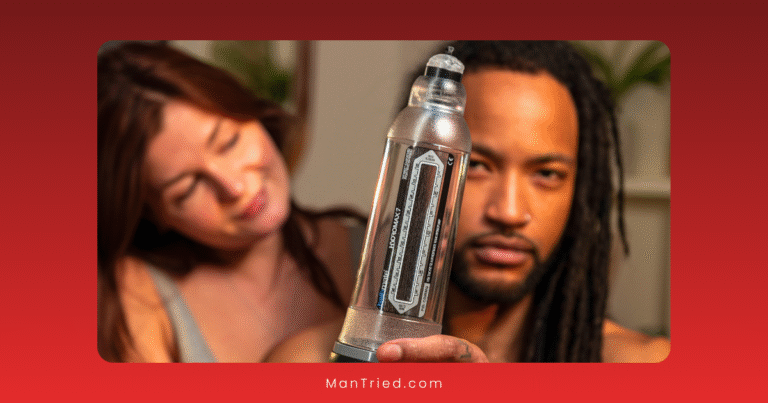
VEDs create a vacuum around the penis, drawing blood into the erectile tissue, and are particularly valuable for preventing penile shortening and maintaining tissue health.
Protocol:
Research published in the Journal of Sexual Medicine demonstrated that men using VEDs daily for 90 days maintained 97% of their pre-treatment penile length, compared to significant shortening in non-users.
For men who don’t respond adequately to oral medications, injections of vasoactive substances directly into the penis offer an effective alternative.
Protocol:
A landmark study showed that men using intracavernosal injections had a 67% rate of spontaneous erection recovery at 6 months, compared to just 20% in the control group. However, the Mount Sinai Men’s Health Program notes that adherence remains challenging, with high attrition rates due to injection anxiety and discomfort.
Several promising approaches are gaining traction in penile rehabilitation:
Setting appropriate expectations is crucial for patient satisfaction and adherence to rehabilitation protocols.
| Risk Category | Factors | 3-Year Recovery Rate |
| Low Risk | Age <60, nerve-sparing approach, good baseline function | 85% |
| Intermediate Risk | Age 60-65, partial nerve-sparing, moderate baseline function | 59% |
| High Risk | Age >65, non-nerve-sparing, poor baseline function | 37% |
Dr. Arthur Burnett of Johns Hopkins Medicine emphasizes that “rehabilitation is a marathon, not a sprint,” with full recovery potentially taking 18-24 months or longer.
Effective penile rehabilitation extends beyond physical interventions to address psychological and relationship factors:
The True Nth guidelines highlight that even when spontaneous erections don’t fully recover, rehabilitation programs provide psychological benefits by empowering men in their recovery process.
For some men, first-line rehabilitation strategies prove insufficient. Advanced options include:
According to the American Urological Association, approximately 15-20% of radiation patients eventually opt for penile implants, with satisfaction rates exceeding 90% when performed by experienced surgeons.
Penile rehabilitation represents a crucial but often overlooked aspect of comprehensive cancer survivorship. The evidence clearly shows that proactive, structured rehabilitation programs significantly improve outcomes compared to the “wait and see” approach.
If you or a loved one is facing radiation therapy for prostate cancer, discuss penile rehabilitation with your healthcare provider before treatment begins. Early planning, realistic expectations, and commitment to a structured protocol offer the best chance for preserving sexual function and quality of life after cancer treatment.
Have you experienced erectile dysfunction after radiation therapy? What rehabilitation approaches have worked for you? Share your experiences in the comments below.