🛍️ Products
❤️ Health
🌿 Wellness
💪 Performance
🤝 Relationships
🛍️ Products
❤️ Health
🌿 Wellness
💪 Performance
🤝 Relationships

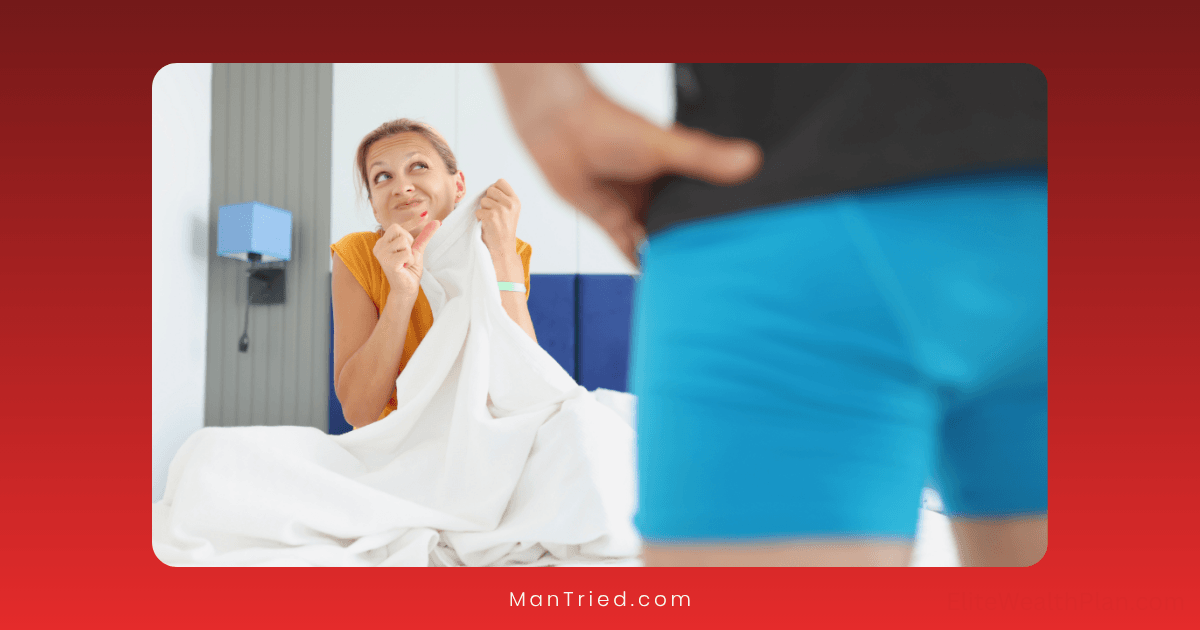
We’ve all felt it—that nagging voice of inadequacy after scrolling through perfectly curated Instagram bodies or watching seemingly flawless sexual encounters in movies or pornography. “Am I attractive enough?” “Should I be performing better?” “Is my body supposed to look like that?” Welcome to the comparison trap—a mental prison built by unrealistic media portrayals that distort our sexual expectations and body image.
Let’s start with an uncomfortable truth: pornography has become the default sex education for many young people. According to research from Fight The New Drug, approximately 75% of boys and 70% of girls have viewed pornography by their teenage years, with most first exposed around age 13. Even more concerning, nearly half of teens who consume porn report doing so to learn about sex.
Think about that for a moment. Imagine learning to drive by watching “The Fast and the Furious” or learning to cook by watching only championship episodes of “MasterChef.” You’d develop a wildly distorted understanding of what’s normal, expected, and achievable.
As sex educator Emily Nagoski, Ph.D. notes in her book Come As You Are: “Pornography is to sex what action movies are to police work—a fantasy with little resemblance to reality.”
Media of all kinds presents us with a highlight reel of sexual experiences:
As research published in Couple Strong points out, this creates what they call “The Comparison Trap”—where real partners and real sexual experiences inevitably fall short of manufactured fantasies, leading to dissatisfaction, body image struggles, and feelings of inadequacy.
Our brains weren’t designed to process the volume of sexual imagery we’re now exposed to. When we regularly consume highly stimulating sexual content, several things happen:
A 2023 study found that approximately 70% of men and 34% of women in romantic relationships use pornography annually. The researchers noted that unhealthy contexts for pornography use include secrecy, preference for pornography over sexual intimacy, and using pornography in place of connecting with a partner.
It’s not just pornography that creates these distortions. Consider:
Recent research has found a significant correlation between higher online social comparison and greater body image concerns. The study, which analyzed data from over 55,000 participants, found that comparing ourselves to others online is associated with worse body image and increased eating disorder symptoms.
The comparison trap affects people of all genders, but often in different ways:
When we internalize these distorted expectations, our relationships suffer. According to a study from Springer, problematic pornography viewing is defined as any level of use that creates interpersonal, intrapersonal, or vocational difficulties.
Common relationship impacts include:
As one relationship therapist I interviewed explained: “I see couples who are comparing their sex lives to both pornography and to what they believe everyone else is doing. It’s a double whammy of comparison that leaves them feeling inadequate, when in reality, their experiences are completely normal.”
So how do we escape this cycle of comparison and distorted expectations? Here are some practical strategies:
Learn to critically evaluate the sexual content you consume. Ask yourself:
Seek out accurate, educational resources about sexuality from reputable sources:
The American Association of Sexuality Educators, Counselors, and Therapists (AASECT) maintains a directory of certified professionals who can provide reliable information.
Be intentional about the sexual content you consume:
Rather than striving for impossible “body positivity,” aim for body neutrality—a mindset that acknowledges your body as a functional vessel rather than an ornamental object for others’ pleasure.
As noted in recent research, exposure to body-positive content that emphasizes diverse representations and self-acceptance can improve body satisfaction and emotional well-being.
Break the silence around these issues:
Shift your attention from how sex looks to how it feels:
Imagine a world where we judge our sexual experiences not by comparison to manufactured content, but by the authentic connection, pleasure, and intimacy they bring to our lives. This isn’t just idealistic thinking—it’s a necessary shift for our collective sexual wellbeing.
As Medium writer Oleg D. aptly points out: “Real-life sexual experiences often involve awkward moments and genuine emotions, contrasting with the idealized portrayals in porn.” These “awkward moments” aren’t failures—they’re the beautiful, human reality of connection.
The next time you find yourself caught in the comparison trap, remember that the most satisfying sexuality isn’t about matching some external standard—it’s about discovering what brings genuine pleasure and connection in your unique relationships.
After all, the highlight reel will always be just that—a highlight reel. Real life, with all its imperfections, is where true intimacy happens.
Have you experienced the comparison trap in your own life? What strategies have helped you develop more realistic expectations? Share your thoughts in the comments below.
If you’re struggling with body image or sexual concerns related to media consumption, consider speaking with a qualified therapist or counselor who specializes in these issues.