PrEP and Sexual Health for Gay and Bisexual Men in 2025: The Evolving Landscape
The landscape of HIV prevention and sexual health for gay, bisexual, and other men who have sex with men has transformed dramatically over the past decade. As we move through 2025, we’re witnessing unprecedented advances in prevention tools, shifting cultural attitudes, and evolving approaches to comprehensive sexual wellbeing. Yet challenges remain in ensuring these advances reach all who need them.
The Current State of HIV Among Gay and Bisexual Men
To understand the importance of PrEP (pre-exposure prophylaxis) and comprehensive sexual health services, it’s crucial to recognize the current context. According to the Centers for Disease Control and Prevention, gay and bisexual men continue to be disproportionately affected by HIV, accounting for 71% of new HIV infections in the United States as of 2022.
However, there’s encouraging news. HIV infections among gay and bisexual men decreased by 10% overall from 2018 to 2022, with even more significant declines among Black/African American (16%) and White (20%) gay and bisexual men. These improvements align with the national goal of decreasing new HIV infections to 9,300 by the end of 2025 and 3,000 by 2030.
“We’re seeing real progress,” notes Dr. Demetre Daskalakis, Director of the CDC’s Division of HIV Prevention. “The combination of increased PrEP awareness, which reached 93% among gay and bisexual men in 2023, and improved access to testing and treatment, is making a measurable difference. But we still have significant work to do, particularly in reaching younger men and communities of color.”
The PrEP Revolution: Options in 2025
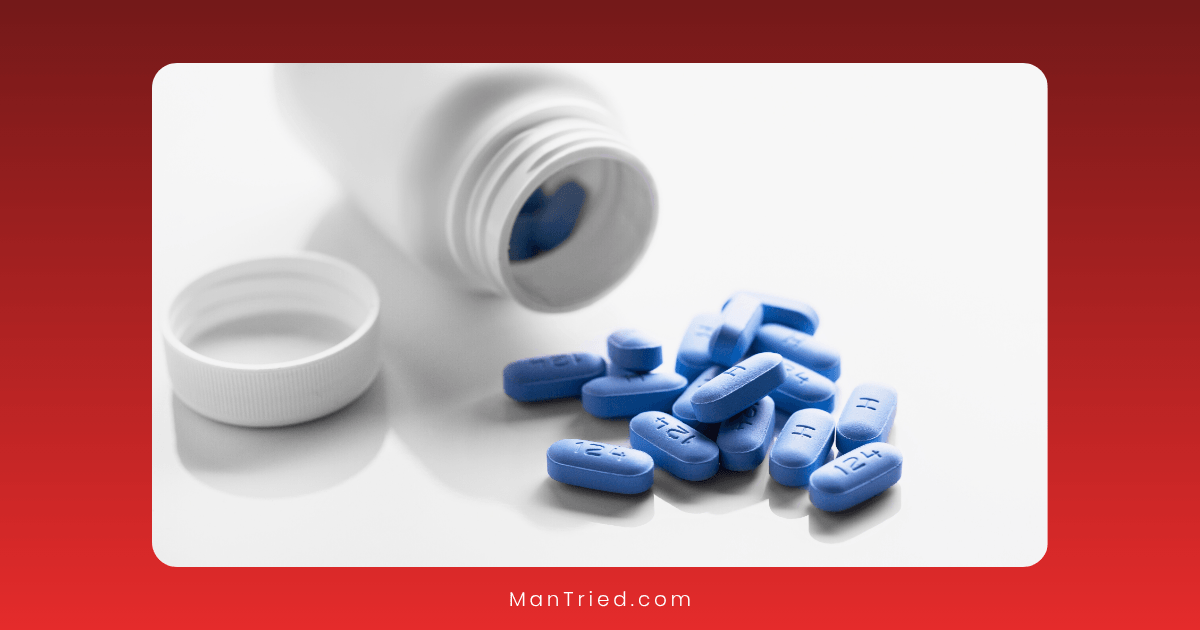
Pre-exposure prophylaxis has evolved from a single daily pill to a menu of options that can be tailored to individual needs and preferences.
Current FDA-Approved PrEP Options
- Daily Oral PrEP
- F/TDF (Emtricitabine/Tenofovir Disoproxil Fumarate): The original PrEP medication, marketed as Truvada and now available as generics, remains highly effective across all populations.
- F/TAF (Emtricitabine/Tenofovir Alafenamide): Marketed as Descovy, this newer formulation offers similar protection with potentially fewer effects on bone density and kidney function, though it’s not approved for those at risk through receptive vaginal sex.
- Long-Acting Injectable PrEP
- Cabotegravir (CAB): Administered as an injection every two months, this option eliminates the need for daily pills and maintains consistent protection levels.
- Emerging Options
- Long-acting oral medications: Several once-weekly oral options are in late-stage clinical trials as of 2025.
- Implantable devices: Similar to contraceptive implants, these experimental options may provide protection for months or even years.
- Antibody infusions: Though still in research phases, these may eventually offer another alternative approach.
Effectiveness and Considerations
The effectiveness of PrEP when used as prescribed is remarkable. According to the CDC’s HIV Nexus, daily oral PrEP reduces the risk of getting HIV from sex by approximately 99% when taken consistently. For those who use injection drugs, the risk reduction is at least 74%.
“What’s important to understand is that PrEP works extraordinarily well when taken as prescribed,” emphasizes sexual health physician Dr. Julia Marcus. “The challenges we face aren’t about the medication’s effectiveness but about helping people access it and incorporate it into their lives in sustainable ways.”
Beyond the Prescription: Access and Barriers in 2025
Despite high awareness of PrEP among gay and bisexual men, actual uptake remains suboptimal. A recent study found that only 37% of gay, bisexual, and other men who have sex with men reported readiness for PrEP based on a comprehensive assessment.
Several factors influence access and utilization:
Insurance and Cost
While insurance coverage for PrEP has improved, gaps remain:
- The Affordable Care Act requires most private insurance plans to cover PrEP without cost-sharing
- Medicaid expansion has improved access in participating states
- Manufacturer assistance programs help some uninsured individuals
- The federal “Ready, Set, PrEP” program provides free PrEP to eligible uninsured people
Yet navigating these systems remains challenging for many, particularly those without stable housing or regular healthcare access.
Healthcare Settings and Provider Attitudes
Where and how sexual health services are delivered matters significantly. Research published on PubMed indicates varied preferences:
- 46.2% of men living with HIV prefer sexual health services at specialized sexual health clinics
- 75.2% of PrEP users prefer either PrEP-only clinics or LGBTQ+-competent general practitioners
- 44.7% of non-PrEP users prefer LGBTQ+-competent general practitioners
“The healthcare setting can make or break the PrEP experience,” notes LGBTQ+ health advocate Miguel Rodriguez. “Finding providers who understand the specific needs and concerns of gay and bisexual men, who can discuss sexual practices without judgment, and who stay current on the latest PrEP options is crucial but not always easy.”
Evolving Stigma
The social context around PrEP has shifted dramatically. A longitudinal study published in Science Direct found that most gay, bisexual, and queer men reported experiencing little or no PrEP stigma in recent years, attributing this to the normalization of PrEP within queer communities.
Interestingly, the study noted a reversal in stigma dynamics: while PrEP users previously faced stigma (often labeled with terms like “Truvada whore”), a new stigmatized status has emerged for non-PrEP-using sexually active men, who may be viewed as irresponsible.
“This shift represents both progress and a new challenge,” explains Dr. Steven Howell, researcher in LGBTQ+ health. “While it’s positive that PrEP use is increasingly normalized, we need to be careful not to create new forms of judgment that might alienate men who, for various reasons, aren’t using PrEP.”
Comprehensive Sexual Health Beyond HIV
While HIV prevention remains a priority, 2025’s approach to sexual health for gay and bisexual men has become increasingly holistic, addressing multiple dimensions of wellbeing.
STI Prevention and Treatment
With HIV rates declining, there’s growing attention to other sexually transmitted infections:
- Regular screening is recommended at least quarterly for sexually active gay and bisexual men
- Home testing options have expanded, including mail-in kits for multiple STIs
- Doxycycline post-exposure prophylaxis (Doxy-PEP) has emerged as an additional tool for preventing bacterial STIs
- Vaccine development for infections like gonorrhea is advancing
Mental Health Integration
The connection between mental health and sexual health is increasingly recognized:
- 29% of gay and bisexual men with HIV reported unmet mental health needs in CDC data
- Anxiety, depression, and substance use can impact sexual decision-making and PrEP adherence
- Integrated care models that address both sexual and mental health are expanding
- Telehealth options have improved access to LGBTQ+-affirming mental health support
Addressing Social Determinants
The CDC reports that among gay and bisexual men with HIV:
- 11% reported hunger or food insecurity
- 17% reported unemployment
- 18% reported unstable housing or homelessness
These factors significantly impact both HIV risk and the ability to maintain PrEP regimens.
“We can’t talk about sexual health without addressing these fundamental needs,” says community health worker Jamal Washington. “Housing stability, food security, and economic opportunity are as much a part of sexual health as condoms and PrEP.”
Innovations in Service Delivery
The way sexual health services are delivered has evolved significantly by 2025:
Telehealth Expansion
Virtual options for sexual health care have become mainstream:
- Initial PrEP consultations via video or phone
- Home-based testing with remote provider follow-up
- Electronic prescription and medication delivery
- Virtual support groups and adherence counseling
Community-Based Services
Services have increasingly moved beyond traditional medical settings:
- PrEP navigation services in LGBTQ+ community centers
- Mobile testing and PrEP initiation units
- Pharmacy-based PrEP services without physician visits
- Peer-led programs that combine social support with health services
Digital Tools
Technology continues to reshape sexual health management:
- Apps that support medication adherence with reminders and tracking
- Platforms that connect users to the nearest PrEP providers
- AI-powered chatbots that answer sexual health questions
- Digital communities that reduce isolation and share resources
Looking Ahead: The Future of PrEP and Sexual Health
As we move through 2025 and beyond, several emerging trends will likely shape the landscape of PrEP and sexual health for gay and bisexual men:
Biomedical Innovations
Research continues to explore new prevention options:
- Multipurpose prevention technologies that address both HIV and other STIs
- Longer-acting formulations that require less frequent dosing
- Preventive vaccines that could eventually complement or replace daily prevention
Policy and Structural Changes
Systemic approaches are increasingly recognized as essential:
- Expansion of insurance coverage for comprehensive sexual health services
- Increased funding for LGBTQ+-specific healthcare training
- Policy initiatives to address housing and economic disparities
- Integration of sexual health into broader healthcare frameworks
Cultural Evolution
Community norms and attitudes continue to evolve:
- Growing emphasis on sexual pleasure alongside risk reduction
- More nuanced conversations about consent and communication
- Increasing visibility of diverse relationship structures
- Greater integration of sexual health into everyday conversation
Taking Action: Recommendations for 2025 and Beyond
For gay and bisexual men navigating sexual health in 2025, several strategies can help maximize wellbeing:
For Individuals
- Know your options: Stay informed about the full range of PrEP formulations and sexual health tools available.
- Find the right provider: Seek out healthcare professionals with specific experience in LGBTQ+ health and sexual health.
- Create a sustainable routine: Whether it’s daily pills, bi-monthly injections, or other options, find an approach that fits your life.
- Take a holistic approach: Address mental health, substance use, and other factors that influence sexual wellbeing.
- Connect with community: Engage with others who can provide support, information, and accountability.
For Healthcare Providers
- Maintain cultural competence: Stay current on the specific needs and concerns of gay and bisexual men.
- Offer options: Present the full range of prevention strategies without assuming what will work best for each patient.
- Address barriers proactively: Discuss insurance coverage, adherence challenges, and other potential obstacles.
- Integrate services: Connect sexual health care with mental health, substance use treatment, and social services.
- Use affirming language: Create an environment where patients feel comfortable discussing their sexual practices honestly.
For Communities
- Advocate for access: Push for policies that ensure PrEP and comprehensive sexual health services are available to all.
- Challenge stigma: Continue working to normalize discussions of sexual health and PrEP use.
- Support peer programs: Develop and maintain community-based initiatives that complement clinical services.
- Share information: Ensure accurate, up-to-date information about PrEP and sexual health reaches those who need it.
- Celebrate progress: Acknowledge and build on the significant advances in HIV prevention while continuing to push forward.
Conclusion: A Moment of Transformation
The landscape of PrEP and sexual health for gay and bisexual men in 2025 represents a moment of transformation—a time when biomedical advances, evolving attitudes, and innovative service models are creating unprecedented opportunities for wellbeing.
While challenges remain, particularly in ensuring equitable access across racial, economic, and geographic lines, the overall trajectory is promising. The goal of reducing new HIV infections to 9,300 by the end of 2025 is ambitious but increasingly attainable.
As Dr. Daskalakis notes, “We have the tools to end the HIV epidemic. The question now is whether we have the will to ensure those tools reach everyone who needs them, in ways that respect their dignity, address their specific needs, and empower them to take control of their sexual health.”
For gay and bisexual men in 2025, the message is clear: comprehensive sexual health, including but not limited to HIV prevention, is more accessible than ever before. By staying informed, finding the right care, and engaging with supportive communities, the vision of sexual wellbeing for all comes increasingly within reach.
Have questions about PrEP or other aspects of sexual health? Share them in the comments below or consult with a healthcare provider specializing in LGBTQ+ health.