🛍️ Products
❤️ Health
🌿 Wellness
💪 Performance
🤝 Relationships
🛍️ Products
❤️ Health
🌿 Wellness
💪 Performance
🤝 Relationships

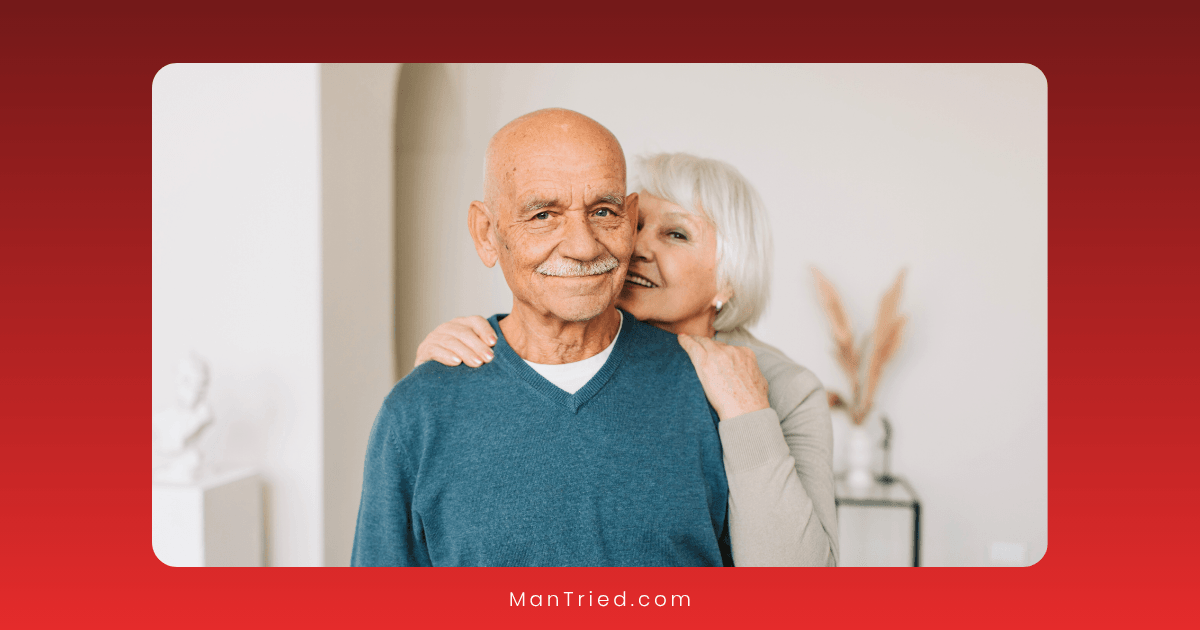
The narrative around aging and sexuality has long been dominated by decline—a story of diminishing desire, waning performance, and inevitable dissatisfaction. Yet research and lived experiences tell a far more nuanced and hopeful story. As we enter what the World Health Organization has declared “the decade of healthy aging” (2021-2030), it’s time to reframe how we think about sexuality in later life.
Contrary to persistent stereotypes, sexual activity and satisfaction remain important aspects of life for many older adults. According to a National Poll on Healthy Aging cited by VeryWell Health, 40% of adults aged 65 to 80 report being sexually active, with 73% of those individuals expressing satisfaction with their sex lives. Perhaps more tellingly, approximately two-thirds of adults aged 65 and older maintain interest in sex, with 50% considering it important for their overall quality of life.
What’s particularly interesting is how the nature of sexual expression evolves rather than simply declines. A 2018 study found that about 60% of older adults engage in what researchers termed “subtle” forms of sex—prioritizing quality of experience over frequency or performance metrics that dominated their younger years.
“The data consistently shows that many older adults maintain active and satisfying sex lives well into their 70s and 80s,” explains Dr. Jennifer Hirsch, sexuality researcher and gerontologist. “What changes isn’t necessarily desire itself, but how that desire is expressed and what constitutes satisfaction.”
For many older adults, the later years bring a profound shift in how they define sexual satisfaction—a shift that research suggests may actually enhance intimate experiences.
Traditional views of sexuality, heavily influenced by youth-oriented media and pornography, often emphasize performance metrics: duration, frequency, firmness of erection, or intensity of orgasm. Yet research published in PMC indicates that as we age, many people naturally transition to valuing emotional connection, sensual pleasure, and intimate presence over these performance-based measures.
“What we see in clinical practice is that many older adults actually report more satisfying sexual experiences than they had in their younger years,” notes Dr. Michael Perelman, sexual health specialist at Weill Cornell Medicine. “They’ve shed the performance anxiety that plagued them earlier in life and learned to focus on the full spectrum of intimate pleasure.”
This shift from performance to presence often includes:
A fascinating finding from South Denver Therapy’s research suggests that daily emotional intimacy—moments of closeness, vulnerability, and self-disclosure—can boost sexual desire and satisfaction for up to 12 months. For older couples who have developed decades of emotional connection, this represents a significant advantage over younger relationships still developing their emotional foundation.
Simple gestures like hand-holding, meaningful eye contact, and physical affection outside the bedroom create a foundation for sexual satisfaction that transcends the mechanical aspects of sex. In fact, a 2020 study found that sexual intercourse combined with emotional intimacy leads to stronger feelings of well-being in older adults than either component alone.
It would be disingenuous to suggest that aging doesn’t bring physical changes that can affect sexuality. However, understanding these changes as different rather than deficient opens the door to adaptation rather than resignation.
For women:
For men:
These changes, while real, create an opportunity to explore sexuality more broadly. Research from Science Direct suggests that older adults who successfully adapt to these changes often discover new dimensions of pleasure they hadn’t previously explored.
“The need to slow down and adapt often leads couples to discover aspects of sexuality they rushed past in their younger years,” explains sex therapist Dr. Louanne Weston. “Many of my older clients report discovering erogenous zones and types of touch they never knew they enjoyed.”
This adaptation often includes:
Emerging research suggests that maintaining sexual activity in later life isn’t just about pleasure—it may also contribute to overall health and longevity.
A 2019 study cited by VeryWell Health linked sexual frequency to better cognitive function in older adults, particularly in areas of verbal fluency and visual-spatial processing. Other research has found associations between sexual activity and lower rates of certain chronic illnesses, though researchers caution that correlation doesn’t necessarily indicate causation.
Perhaps most significantly, research published in PMC found a significant positive correlation between sexual desire and overall quality of life, along with a negative correlation between sexual desire and pain. This suggests a bidirectional relationship where maintaining sexual wellbeing may contribute to broader health outcomes.
One of the most significant barriers to sexual satisfaction in later life isn’t physical—it’s communicative. Generations raised with limited sexual education and cultural taboos around discussing desire often struggle to articulate their needs and concerns.
“The single most important factor I see in sexually satisfied older couples is their willingness to talk openly about sex,” notes relationship therapist Dr. Tammy Nelson. “Those who can discuss their changing bodies, desires, and concerns without shame invariably report better sexual experiences.”
This communication revolution includes:
Perhaps the most liberating aspect of sexuality in later life is the opportunity to define “normal” for oneself rather than measuring against external standards.
“There is no single ‘normal’ when it comes to sexuality at any age, but especially in later life,” emphasizes Dr. Jane Fleishman, sexuality educator specializing in older adults. “The beauty of this stage is the freedom to create intimate experiences that reflect your unique desires and circumstances.”
This redefinition includes recognizing the validity of:
For those looking to enhance their sexual wellbeing in later life, research and clinical experience suggest several practical approaches:
As we continue to redefine aging in the 21st century, sexuality remains an essential component of wellbeing deserving of attention, research, and cultural reframing. The emerging paradigm recognizes that sexuality in later life isn’t about clinging to youthful patterns but evolving toward potentially richer, more nuanced experiences.
“What we’re seeing isn’t the end of sexuality with age, but its transformation,” concludes Dr. Hirsch. “When we let go of narrow definitions based on performance and embrace a broader understanding of intimate connection, many older adults discover that their sexual lives actually improve with age.”
This evolution—from quantity to quality, from performance to pleasure, from expectation to exploration—represents not a compromise but an opportunity. By embracing this new paradigm, older adults can discover sexual and intimate satisfaction that matches their life stage and personal values, contributing to the holistic wellbeing that defines truly successful aging.
How has your understanding of sexuality evolved as you’ve grown older? What aspects of intimacy have become more important to you over time? Share your thoughts in the comments below.