🛍️ Products
❤️ Health
🌿 Wellness
💪 Performance
🤝 Relationships
🛍️ Products
❤️ Health
🌿 Wellness
💪 Performance
🤝 Relationships


Sexual health is a crucial component of overall wellbeing for all individuals, but men in same-sex relationships face unique considerations that deserve specific attention. From navigating healthcare systems that may not always be affirming to understanding the particular health considerations relevant to their relationships, having accurate, non-judgmental information is essential.
This article explores key sexual health considerations for men in same-sex relationships, providing evidence-based information while acknowledging the diversity of experiences within this community.
Sexual health encompasses more than just the absence of disease—it includes physical, emotional, mental, and social wellbeing in relation to sexuality. For men in same-sex relationships, several contextual factors shape sexual health experiences:
According to the World Health Organization, LGBTQ+ individuals are less likely to access health services due to stigma and discrimination. This reluctance can lead to delayed care and poorer health outcomes.
“Finding healthcare providers who are knowledgeable and affirming can be challenging,” notes Dr. James Stevenson, a specialist in LGBTQ+ health. “Many men report avoiding routine screenings or being hesitant to disclose their sexual practices to providers, which can impact the quality of care they receive.”
When seeking healthcare:
Resources like the GLMA Provider Directory can help locate healthcare professionals with experience serving LGBTQ+ communities.
HIV continues to disproportionately affect men who have sex with men. According to the Centers for Disease Control and Prevention, gay and bisexual men accounted for 71% of new HIV infections in the US in 2022, though there has been an encouraging 10% decrease in infections from 2018 to 2022.
Several evidence-based approaches can significantly reduce HIV transmission risk:
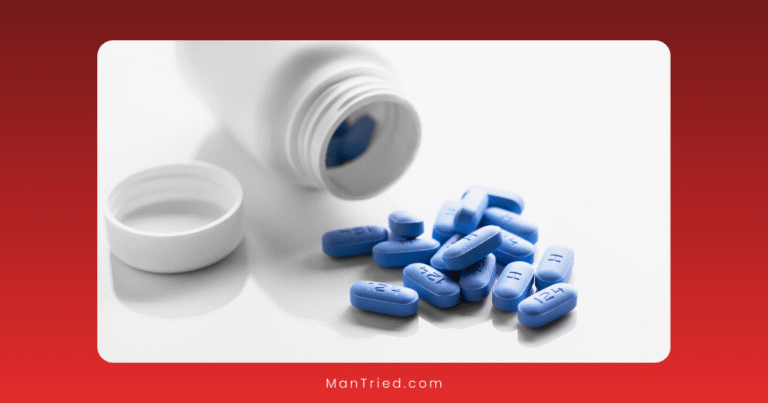
PrEP is a medication taken by HIV-negative individuals to prevent HIV infection. When taken as prescribed, it reduces the risk of HIV from sex by about 99%.
“PrEP has revolutionized HIV prevention,” explains HIV specialist Dr. Maria Chen. “It provides an additional layer of protection that can be particularly valuable for men in non-monogamous relationships or those whose partners have different HIV statuses.”
For couples where one partner is living with HIV, effective treatment that achieves an undetectable viral load means the virus cannot be transmitted sexually—a concept known as Undetectable = Untransmittable (U=U).
Consistent condom use remains an effective strategy for preventing both HIV and other STIs.
The Mayo Clinic emphasizes using a new condom for each sexual encounter, particularly during anal sex, and recommends:
Knowledge of HIV status is crucial for appropriate prevention and treatment. The CDC reports that 86% of gay and bisexual men with HIV knew their status in 2022, but this leaves a significant number unaware of their infection.
Recommendations include:
While HIV often receives the most attention, other sexually transmitted infections (STIs) are also important considerations.
Research from the NIH indicates that about 30% of men who have sex with men report having had STIs, with varying rates of treatment and prevention measures.
Key STIs to be aware of include:
Beyond condoms, additional prevention strategies include:
Several vaccines are particularly recommended for men who have sex with men:
A newer prevention strategy involves taking the antibiotic doxycycline within 72 hours after sexual activity:
Comprehensive STI screening should include:
Sexual function and satisfaction are important aspects of sexual health that extend beyond disease prevention.
Clear communication about desires, boundaries, and preferences forms the foundation of satisfying sexual relationships. This includes:
Different sexual practices carry different considerations:
Sexual dysfunction can affect men of all orientations but may present unique considerations in same-sex relationships:
A study in Nature examining gay and bisexual men with prostate cancer highlights how sexual health needs can differ based on preferred sexual roles. The research found that treatment choices may have different impacts depending on whether a man primarily engages in insertive or receptive anal intercourse—an important consideration often overlooked in heterocentric medical literature.
Mental health and sexual health are deeply interconnected, with each affecting the other.
According to the Mayo Clinic, gay men and men who have sex with men face higher rates of:
These challenges can impact sexual health through:
Substance use before or during sexual activity can affect decision-making around safer sex practices. The Mayo Clinic notes that limiting alcohol and avoiding recreational drugs can decrease the likelihood of taking sexual risks.
Specific concerns include:
The Mayo Clinic highlights that intimate partner violence occurs at higher rates among gay men compared to the general population, often exacerbated by fears of discrimination when seeking help.
Signs of unhealthy relationships include:
Resources like the National Domestic Violence Hotline offer support specifically for LGBTQ+ individuals experiencing relationship violence.
Relationships provide both challenges and opportunities for maintaining sexual health.
Different relationship structures have different sexual health considerations:
As men age, sexual health considerations evolve:
The Nature study on prostate cancer treatments highlights how treatment decisions can significantly impact sexual function for gay and bisexual men, with different treatments affecting insertive versus receptive sexual practices differently.
A holistic approach to sexual health includes attention to other aspects of physical health that impact sexual wellbeing.
Important screenings include:
Various health conditions can impact sexual function and satisfaction:
Working with healthcare providers to manage these conditions with sexual health in mind is important for maintaining quality of life.
Finding knowledgeable, affirming healthcare is essential for addressing sexual health needs.
Resources for locating appropriate providers include:
When accessing care:
Beyond medical care, community resources can provide valuable support:
Sexual health for men in same-sex relationships encompasses far more than just disease prevention—it includes satisfaction, function, communication, and overall wellbeing. By addressing these various dimensions with accurate information and affirming approaches, men can make informed decisions that support both their health and their relationships.
The encouraging news is that resources, research, and support for the specific sexual health needs of men in same-sex relationships continue to improve. From declining HIV rates to more nuanced research on treatment impacts, progress is being made toward more comprehensive and affirming care.
By staying informed, communicating openly with partners, accessing appropriate healthcare, and addressing both physical and mental aspects of sexual health, men in same-sex relationships can maintain and enhance their sexual wellbeing throughout their lives.
Have questions about sexual health resources or experiences finding affirming healthcare? Share in the comments below.