The Telemedicine Prescription Process: What to Expect and Red Flags
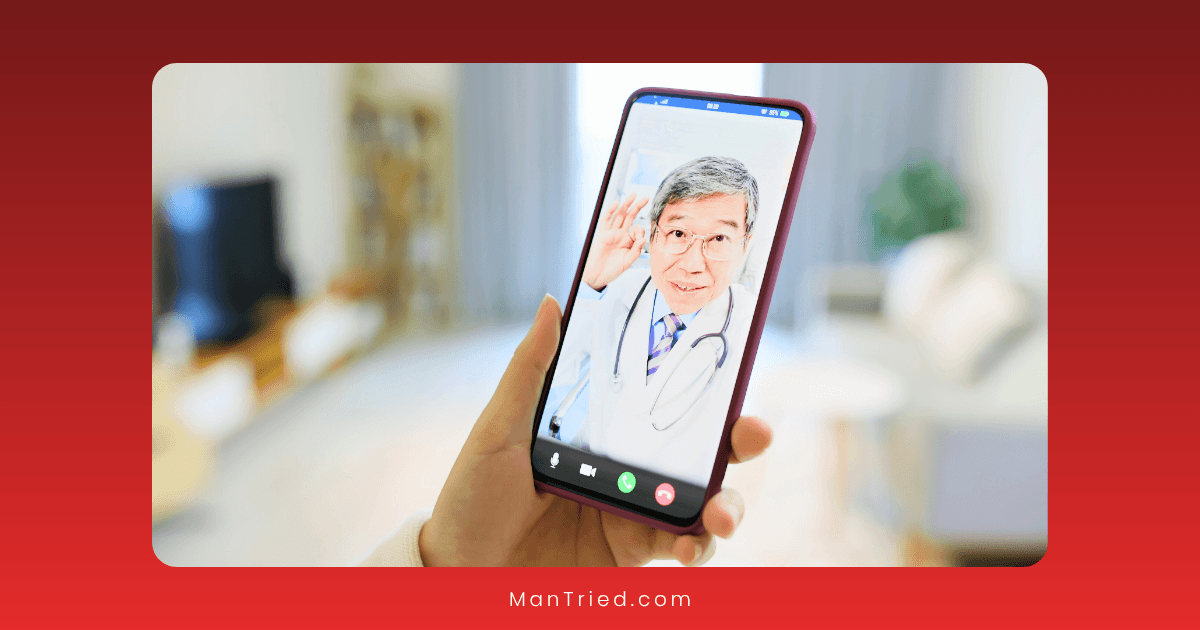
Telemedicine has revolutionized healthcare access, making it possible to consult with physicians and receive prescriptions without leaving home. This convenience is particularly valuable for those with mobility issues, busy schedules, or limited access to healthcare facilities.
However, the rapid expansion of telehealth has also created opportunities for fraudulent operations. Understanding how legitimate telemedicine prescription processes work—and recognizing the warning signs of potentially fraudulent services—is essential for protecting both your health and financial well-being.
This comprehensive guide walks you through what to expect from legitimate telemedicine prescription services and how to spot red flags that might indicate a problematic provider.
The Legitimate Telemedicine Prescription Process
A proper telemedicine prescription process follows specific protocols designed to ensure patient safety and comply with medical regulations. Here’s what you should expect from a legitimate service:
1. Registration and Medical History Collection
What to expect:
Completion of a comprehensive medical history form
Questions about current medications, allergies, and existing health conditions
Upload or sharing capabilities for relevant medical records
HIPAA-compliant platforms for secure information sharing
Dr. Joseph Kvedar, Professor of Dermatology at Harvard Medical School and President of the American Telemedicine Association, explains: “A thorough medical history is the foundation of good telehealth care. Legitimate providers need this information to make informed decisions about your health, just as they would in person.”
2. Identity and Insurance Verification
What to expect:
Verification of your identity through government-issued ID
Insurance information collection and verification (if applicable)
Transparent information about costs if paying out-of-pocket
Secure payment processing systems
According to a 2024 survey by the American Medical Association, 92% of legitimate telemedicine providers verify patient identity before consultations, with most using government-issued photo identification.
3. Physician Selection or Assignment
What to expect:
Information about the credentials of available physicians
Transparency about whether you’ll see the same provider for follow-ups
Clear indication of the provider’s state licensure
Option to request a different provider if desired
Legitimate services ensure that providers are properly licensed in the state where you’re located, as required by state medical boards.
4. The Virtual Consultation
What to expect:
A scheduled appointment time (though some services offer on-demand consultations)
Video-based consultation in most cases (audio-only may be available for certain situations)
Sufficient time for discussion (typically 10-20 minutes minimum)
Opportunity to ask questions about your condition and treatment options
Clinical assessment that includes relevant questions about your symptoms
Dr. Ray Dorsey, Professor of Neurology at the University of Rochester Medical Center, notes: “A proper telemedicine visit isn’t rushed. The provider should take time to understand your concerns, ask follow-up questions, and explain their recommendations—just as they would in person.”
5. Prescription Decision and Explanation
What to expect:
Clear explanation of why a medication is being prescribed (or why it isn’t)
Discussion of potential side effects and drug interactions
Information about proper usage and dosing
Alternative treatment options when appropriate
Follow-up plan and monitoring requirements
A 2024 study in JAMA Network Open found that thorough medication counseling during telemedicine visits was associated with higher medication adherence and better patient outcomes.
6. Prescription Transmission
What to expect:
Electronic prescription sent directly to your preferred pharmacy
Information about when the medication will be ready
Option for mail-order pharmacy in some cases
Prescription that includes the provider’s full name, credentials, and DEA number (for controlled substances)
According to the Centers for Medicare & Medicaid Services (CMS), electronic prescribing is now the standard for legitimate telemedicine services, reducing errors and improving efficiency.
7. Follow-Up Care
What to expect:
Clear instructions for follow-up appointments if needed
Information about what to do if symptoms worsen
Access to message the provider with questions
Documentation of the visit available in a patient portal
Special Considerations for Controlled Substances
The rules for prescribing controlled substances via telemedicine have undergone significant changes. As of 2025, the Drug Enforcement Administration (DEA) has implemented new regulations:
In-person requirement: For most controlled substances, an in-person evaluation is required before telemedicine prescribing, with some exceptions
Special registrations: Some providers may have special DEA telemedicine registrations allowing them to prescribe certain controlled substances without an in-person visit
Buprenorphine exception: Providers can prescribe up to a 30-day supply of buprenorphine for opioid use disorder via telemedicine without an in-person evaluation
State variations: Some states have additional restrictions beyond federal requirements
Dr. Nora Volkow, Director of the National Institute on Drug Abuse, explains: “These regulations aim to balance the need for appropriate access to controlled medications with safeguards against misuse and diversion. Legitimate telemedicine providers will be transparent about these requirements.”
Red Flags: Warning Signs of Potentially Fraudulent Services
While many telemedicine services operate legitimately, others may engage in fraudulent or questionable practices. Here are key warning signs to watch for:
1. No Real Medical Evaluation
Red flags:
Consultation lasts only a few minutes or doesn’t happen at all
No questions about your medical history or current medications
No discussion of potential side effects or drug interactions
Automatic approval of requested medications without proper assessment
No information about the provider’s credentials or licensing
Unable to verify the provider’s medical license in your state
Provider uses only a first name or credentials can’t be verified
Website lists generic “medical team” without specific providers
In a 2024 enforcement action, the Department of Justice charged operators of a fraudulent telehealth operation that falsely claimed to have licensed physicians reviewing patient cases when prescriptions were actually being issued without proper medical oversight.
3. Prescription Without Video Consultation
Red flags:
Prescriptions offered based solely on a questionnaire
No face-to-face video interaction with a healthcare provider
Text-only consultations for conditions that require visual assessment
Controlled substances prescribed without video evaluation (with limited exceptions)
The Federation of State Medical Boards emphasizes that while some conditions may be appropriately treated via questionnaire or audio-only consultation, many require visual assessment through video consultation.
4. Pressure to Purchase Specific Products
Red flags:
Provider pushes specific brands without medical justification
Pressure to purchase supplements or products from their website
Recommendations for unusually expensive medications when generics are available
Insistence on using their affiliated pharmacy
A 2023 study in Health Affairs found that some fraudulent telehealth operations generated up to 90% of their revenue from marking up medications rather than from providing medical care.
5. Unusual Payment Practices
Red flags:
Cash-only payment with no option for insurance
Requests for payment via wire transfer, gift cards, or cryptocurrency
Unusual billing practices, such as charging for “membership” rather than consultations
Significantly higher or lower prices than market standards
The American Telemedicine Association warns that unusual payment methods can indicate attempts to avoid regulatory oversight or insurance fraud detection systems.
6. Geographic Mismatches
Red flags:
Provider, patient, and pharmacy all in different states
Prescription sent to a pharmacy across the country
Provider licensed in a state different from where you live
Marketing that specifically targets patients in states with less stringent regulations
According to the HHS-OIG, geographic mismatches are a common indicator of telehealth fraud schemes, often designed to exploit regulatory differences between states.
7. Aggressive Marketing
Red flags:
Unsolicited emails, calls, or texts offering prescriptions
Marketing focused on lifestyle drugs or controlled substances
Claims that seem too good to be true
The Federal Trade Commission (FTC) has taken action against multiple telehealth providers for deceptive marketing practices, particularly those targeting vulnerable populations.
8. Lack of Follow-Up Care
Red flags:
No mechanism for follow-up appointments
No way to contact the prescribing provider with questions
No monitoring of treatment effectiveness or side effects
One-time prescriptions with automatic refills but no reassessment
Legitimate telemedicine providers establish ongoing relationships with patients and monitor treatment outcomes, particularly for chronic conditions requiring long-term medication.
How to Verify a Telemedicine Provider’s Legitimacy
Before using a telemedicine service for prescriptions, take these steps to verify legitimacy:
1. Check Provider Credentials
Verify medical licenses: Use your state’s medical board website to confirm the provider is licensed in your state
Look up DEA registration: For controlled substances, verify the provider has an active DEA registration
Research the provider: Look for the provider’s professional profiles, hospital affiliations, or academic appointments
2. Investigate the Platform
Check for LegitScript certification: This third-party certification verifies compliance with pharmacy and telemedicine laws
Look for HIPAA compliance: Legitimate services will mention HIPAA compliance and have secure, encrypted platforms
Verify business registration: Check if the company is properly registered in the state where it operates
Research company history: Look for how long they’ve been in business and any news about regulatory actions
3. Review External Validation
Check the Better Business Bureau: Look for ratings and complaint history
Read independent reviews: Search for reviews on medical review sites, not just testimonials on their website
Look for professional affiliations: Membership in organizations like the American Telemedicine Association can indicate legitimacy
4. Assess the Consultation Process
Evaluate thoroughness: The intake process should be comprehensive
Notice time investment: Be wary if the entire process takes just a few minutes
Consider the questions asked: Legitimate providers ask detailed questions about your health
Observe professional boundaries: The provider should maintain appropriate clinical focus
Special Considerations for Different Types of Prescriptions
Primary Care Medications
Most routine medications for chronic conditions like high blood pressure, diabetes, or asthma can be appropriately prescribed through telemedicine after a proper evaluation. Legitimate services will:
Request recent lab work or vital signs when relevant
Coordinate with your in-person primary care provider when appropriate
Mental Health Medications
Psychiatric medications can often be appropriately prescribed via telemedicine, but legitimate providers will:
Conduct thorough psychiatric evaluations
Start with lower doses and adjust gradually
Schedule regular follow-ups to assess effectiveness and side effects
Use standardized assessments to track symptoms
Consider therapy alongside medication when appropriate
Lifestyle Medications
Medications for conditions like erectile dysfunction, hair loss, or weight management are commonly prescribed via telemedicine but require particular vigilance:
Legitimate providers will still conduct proper medical evaluations
They will discuss lifestyle changes and non-medication options
They will screen for underlying conditions that might be causing symptoms
They will explain potential risks and benefits
Antibiotics
While some infections can be diagnosed and treated via telemedicine, legitimate providers will:
Carefully assess symptoms to determine if antibiotics are truly needed
Consider whether in-person evaluation is necessary (e.g., for strep throat testing)
Prescribe appropriate antibiotics for the suspected infection
Provide clear guidance on when to seek in-person care if symptoms worsen
The Changing Regulatory Landscape
The telemedicine regulatory environment continues to evolve rapidly. Key developments to be aware of in 2025 include:
The “Telehealth Cliff”
Many COVID-era telehealth flexibilities are set to expire on September 30, 2025, unless Congress takes action. This could impact:
Medicare coverage for telehealth services
Interstate practice permissions
Prescribing authorities
Reimbursement rates
DEA Telemedicine Regulations
The DEA has implemented new rules for prescribing controlled substances via telemedicine:
Special registration requirements for providers
Limitations on prescribing Schedule II medications
Requirements for prescription drug monitoring program checks
Identity verification mandates
State-Level Changes
Many states are updating their telemedicine laws regarding:
Insurance coverage and payment parity
Licensing requirements
Standard of care expectations
Specific prescription limitations
Dr. Ateev Mehrotra, Professor of Health Care Policy at Harvard Medical School, advises: “Patients should understand that legitimate telemedicine providers adapt to regulatory changes, even when it means additional steps in the prescription process. If a service seems to be circumventing regulations, that’s a significant red flag.”
What to Do If You Suspect Fraud
If you encounter a potentially fraudulent telemedicine service:
Report to regulatory authorities:
Your state’s medical board
The Federal Trade Commission (FTC)
The HHS Office of Inspector General
Contact your insurance provider if the service billed your insurance
Monitor your credit for potential identity theft if you shared personal information
Consult with a legitimate healthcare provider about any medications you received
Conclusion: Finding the Right Balance
Telemedicine offers tremendous benefits for accessing prescription medications conveniently and efficiently. When done properly, virtual prescription services can provide high-quality care comparable to in-person visits for many conditions.
By understanding what to expect from legitimate services and recognizing the warning signs of potentially fraudulent operations, you can confidently use telemedicine as part of your healthcare routine while protecting yourself from scams.
Remember that legitimate telemedicine providers welcome questions about their processes, credentials, and safeguards. Don’t hesitate to ask for clarification if something seems unusual or concerning during your virtual healthcare experience.