🛍️ Products
❤️ Health
🌿 Wellness
💪 Performance
🤝 Relationships
🛍️ Products
❤️ Health
🌿 Wellness
💪 Performance
🤝 Relationships

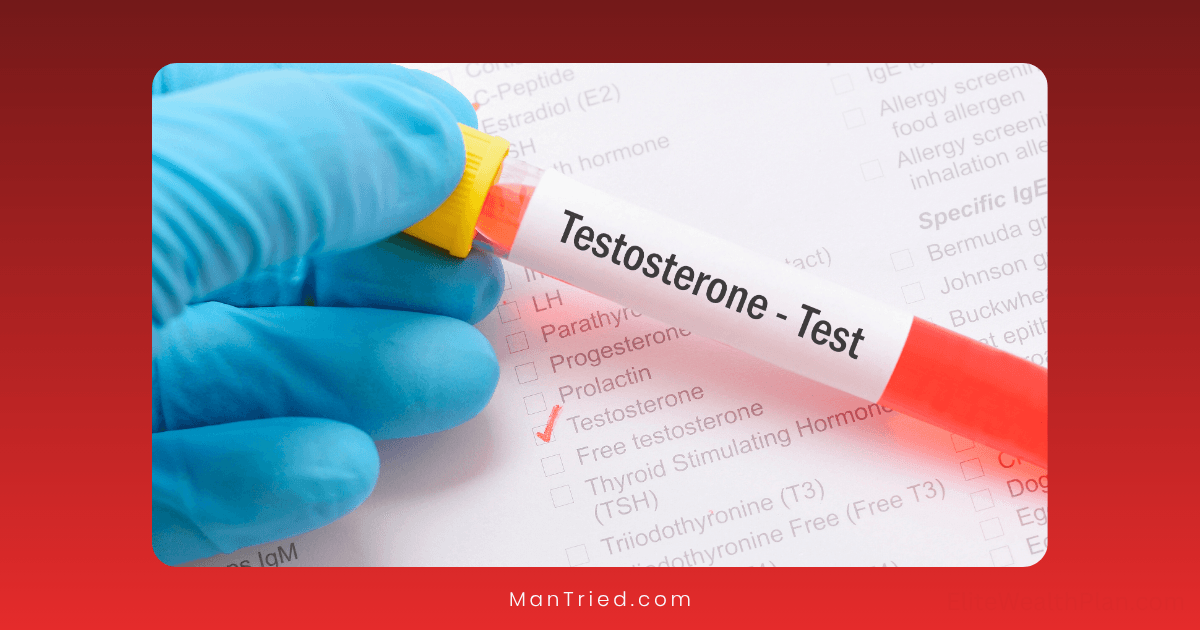
Testosterone replacement therapy (TRT) has helped countless men reclaim their energy, vitality, and quality of life. However, this powerful treatment requires careful monitoring to ensure both safety and effectiveness. If you’ve just started TRT or are considering it, understanding the necessary testing protocols is essential for your long-term health.
“TRT isn’t a ‘set it and forget it’ treatment,” explains Dr. Michael Reynolds, a board-certified urologist specializing in men’s health. “Regular monitoring through appropriate blood work is the difference between a successful therapy that enhances your life and one that potentially leads to complications.”
Surprisingly, research from Vitality Lounge Health indicates that nearly 25% of men prescribed TRT never received baseline testosterone testing, and only about 52% are retested within 12 months after starting therapy. These concerning statistics highlight the importance of being proactive about your TRT monitoring.
This comprehensive guide will walk you through the essential tests needed before and during TRT, explain why each test matters, and outline a typical monitoring schedule to keep your therapy safe and effective.
Before beginning TRT, comprehensive baseline testing is crucial not only to confirm that you truly have testosterone deficiency but also to identify any pre-existing conditions that might affect your treatment.
What’s measured: Both total and free testosterone levels.
Why it matters: According to the Cleveland Clinic, you should have at least two morning testosterone tests on separate days to confirm a diagnosis of low testosterone. A single low reading isn’t sufficient for diagnosis.
Target values: While reference ranges vary by laboratory, testosterone deficiency is typically diagnosed when levels fall below 300 ng/dL.
Testing notes: Tests should be performed in the morning (before 10 AM) when testosterone levels naturally peak. Some clinics recommend fasting before the test for more accurate results.
What’s measured: Pituitary hormones that stimulate testosterone production.
Why it matters: These tests help determine whether your low testosterone is primary (testicular issue) or secondary (pituitary/hypothalamic issue). This distinction can influence treatment approaches and identify underlying health concerns.
Target values: Normal ranges vary by lab but typically fall between 1.5-9.3 IU/L for LH and 1.4-18.1 IU/L for FSH.
What’s measured: Red and white blood cell counts, hemoglobin, and hematocrit levels.
Why it matters: TRT can increase red blood cell production, potentially leading to a condition called polycythemia, which increases blood thickness and clotting risk. According to Dr. Oracle, this is one of the most important safety parameters to monitor during TRT.
Target values: Normal hematocrit for adult males is typically 41-50%.
What’s measured: Liver and kidney function, blood glucose, and electrolyte levels.
Why it matters: Ensures your liver and kidneys are functioning properly before starting TRT. Some testosterone preparations can affect liver function.
Target values: Reference ranges vary by specific test within the panel.
What’s measured: Total cholesterol, HDL, LDL, and triglycerides.
Why it matters: TRT can affect cholesterol levels and cardiovascular risk. Renew Med and Spa notes that monitoring lipid profiles is essential for heart health during TRT.
Target values: Optimal values include total cholesterol below 200 mg/dL, LDL below 100 mg/dL, HDL above 40 mg/dL, and triglycerides below 150 mg/dL.
What’s measured: A protein produced by the prostate gland.
Why it matters: Elevated PSA can indicate prostate issues, including cancer. TRT may accelerate prostate cancer growth, making this test particularly important for men over 40 or those with prostate cancer risk factors.
Target values: Generally, PSA levels below 4.0 ng/mL are considered normal, though this can vary by age and race.
What’s measured: The primary form of estrogen in men.
Why it matters: Testosterone can convert to estrogen through a process called aromatization. High estradiol levels can cause side effects like gynecomastia (breast tissue development) and emotional changes.
Target values: Optimal estradiol levels for men typically range from 20-30 pg/mL.
What’s measured: A protein that binds to testosterone, making it unavailable for use by the body.
Why it matters: High SHBG levels mean less free testosterone is available, potentially reducing TRT effectiveness. Affinity Whole Health includes SHBG testing as part of their comprehensive baseline assessment.
Target values: Normal ranges for adult males typically fall between 10-57 nmol/L.
Depending on your age, health history, and specific symptoms, your provider might recommend additional tests:
Once you’ve started TRT, regular monitoring is essential to ensure the therapy is working correctly and not causing adverse effects. Here’s a typical monitoring schedule:
The first follow-up is crucial to assess your initial response to treatment and make any necessary adjustments.
According to the Cleveland Clinic, providers typically check testosterone levels 30 days after initiation, though the timing may vary based on the form of TRT you’re using.
Once your initial dose is adjusted, more comprehensive testing helps ensure your body is adapting well to TRT.
Once your therapy is stabilized, monitoring typically becomes less frequent but remains essential.
The timing of your blood tests can significantly impact the results, especially for testosterone levels:
Testosterone levels naturally fluctuate throughout the day, typically peaking in the morning and declining as the day progresses. For consistency:
For the most accurate assessment of your therapy, testing should be timed according to your TRT delivery method:
As Affinity Whole Health notes, for injections, testing should occur mid-cycle (3-4 days) or just before the next dose to capture accurate readings.
Interpreting TRT monitoring results requires balancing multiple factors:
While the goal is to reach the mid to upper range of normal testosterone levels (typically 500-800 ng/dL), the focus should be on symptom improvement rather than just numbers. Some men feel optimal at different levels within the normal range.
Certain test results warrant immediate attention:
Your provider might make various adjustments based on your test results:
Failing to properly monitor TRT can lead to serious health consequences:
Robert, 53, shares his experience: “I started TRT through a clinic that didn’t require regular blood work. After six months, I developed severe headaches and fatigue. When I finally got tested, my hematocrit was dangerously high at 57%. I needed immediate blood donation and a complete overhaul of my treatment plan. I learned the hard way how important monitoring is.”
Given that nearly half of men on TRT aren’t properly monitored, being proactive about your testing is crucial:
Be wary if your provider:
Proper monitoring is the cornerstone of successful testosterone replacement therapy. By understanding which tests you need and when, you can ensure your treatment enhances your quality of life while minimizing potential risks.
Remember that TRT is a lifelong commitment for most men, making the establishment of a sustainable monitoring routine essential. Work closely with a knowledgeable healthcare provider who values comprehensive testing and individualized treatment adjustments based on your unique response.
With diligent monitoring and open communication with your healthcare team, TRT can safely provide the benefits you’re seeking—improved energy, enhanced mood, increased muscle mass, and better overall quality of life.
Have you experienced TRT monitoring? What has your testing schedule been like, and have you noticed any benefits from regular monitoring? Share your experiences in the comments below.