
The Zinc-Magnesium-B6 Stack: Optimizing Your ZMA Supplementation
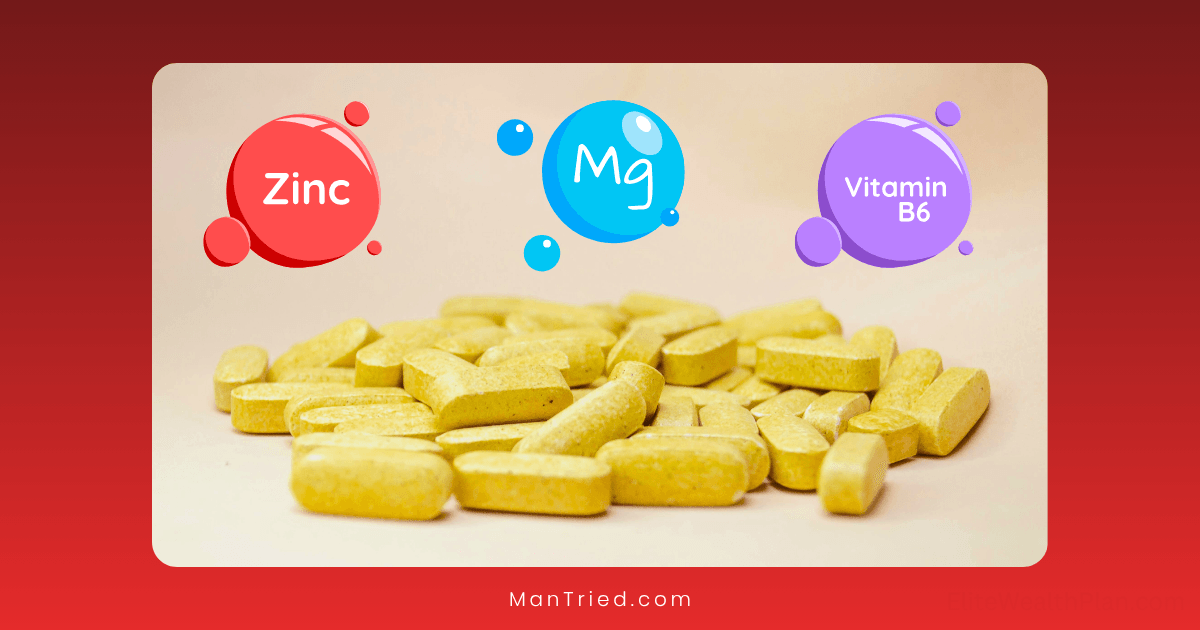
In the world of fitness and nutrition supplements, few combinations have gained the steady following of ZMA—a synergistic blend of zinc, magnesium, and vitamin B6. Whether you’re an athlete looking to enhance recovery, someone struggling with sleep quality, or simply interested in optimizing your mineral intake, ZMA supplementation offers potential benefits worth exploring.
This comprehensive guide examines the latest research on ZMA supplementation, diving into proper dosages, timing strategies, potential benefits, and how to maximize your results with this popular mineral stack.
What Exactly Is ZMA?
ZMA (Zinc Magnesium Aspartate) is a specific formulation of three essential micronutrients:
- Zinc (typically as zinc monomethionine or zinc aspartate)
- Magnesium (typically as magnesium aspartate)
- Vitamin B6 (as pyridoxine hydrochloride)
The standard formulation contains precise ratios of these nutrients, typically:
- 30 mg of zinc
- 450 mg of magnesium
- 10-11 mg of vitamin B6
This isn’t just a random combination—these three nutrients were selected based on their potential synergistic effects and the common deficiencies found in active individuals. The specific forms of these minerals are chosen for optimal absorption and bioavailability.
The Science Behind Each Component
To understand why ZMA might be beneficial, let’s examine each component’s role in the body:
Zinc: The Anabolic Mineral
Zinc is an essential trace mineral involved in hundreds of enzymatic reactions in the body. According to research published in PMC, adequate zinc intake is associated with numerous health benefits, including:
- Protein synthesis: Critical for muscle repair and growth
- Hormone production: Supports healthy testosterone levels
- Immune function: Essential for proper immune response
- DNA synthesis and cell division: Important for recovery and growth
- Antioxidant activity: Helps combat exercise-induced oxidative stress
Athletes and physically active individuals may require more zinc than sedentary people due to increased losses through sweat and higher turnover during recovery processes.
Magnesium: The Relaxation Mineral
Magnesium is involved in over 300 enzymatic reactions and plays crucial roles in:
- Energy production: Participates in ATP synthesis (your body’s energy currency)
- Muscle function: Regulates muscle contractions and relaxation
- Nervous system regulation: Acts as a natural calcium channel blocker, promoting relaxation
- Sleep regulation: Helps activate the parasympathetic nervous system
- Protein synthesis: Supports the building of new muscle tissue
According to a review published on ResearchGate, magnesium deficiency can impair muscle function, reduce endurance, and compromise recovery. The mineral functions as a natural antagonist to calcium ions, which is crucial for proper muscle relaxation after contraction.
Vitamin B6: The Metabolic Facilitator
Vitamin B6 (pyridoxine) serves as a cofactor in approximately 100 enzyme reactions, primarily in protein metabolism. Its inclusion in ZMA helps:
- Enhance absorption: May improve the utilization of zinc and magnesium
- Support energy metabolism: Crucial for converting food into usable energy
- Facilitate neurotransmitter production: Helps create serotonin, dopamine, and GABA
- Regulate hormonal activity: Supports the action of steroid hormones
- Promote red blood cell formation: Important for oxygen delivery to muscles
Research highlighted in PMC indicates that vitamin B6, especially when combined with magnesium, may have additional benefits for reducing anxiety and stress—factors that can impact both performance and recovery.
Potential Benefits of ZMA Supplementation
Based on the latest research in 2025, here are the evidence-backed benefits of ZMA supplementation:
1. Sleep Quality Enhancement
Magnesium’s role in activating the parasympathetic nervous system makes it valuable for sleep quality. While a 2023 study published in PMC found no significant improvements in sleep quality with acute ZMA supplementation in healthy males with adequate micronutrient intake, other research suggests benefits for those with deficiencies.
According to Healthline, an 8-week study indicated that a combination of zinc, magnesium, and melatonin improved sleep quality in people with insomnia. The sleep-promoting effects are likely more pronounced in individuals with suboptimal mineral levels.
2. Recovery Support
The combination of zinc and magnesium may support post-exercise recovery through several mechanisms:
- Protein synthesis: Both minerals are involved in the processes that build new muscle tissue
- Hormone regulation: Zinc supports testosterone production, which aids recovery
- Reduced oxidative stress: Both minerals have antioxidant properties
- Improved sleep: Better sleep quality naturally enhances recovery
A review on ResearchGate highlights magnesium’s anti-inflammatory properties, which help reduce oxidative stress during exercise and aid recovery.
3. Performance Enhancement
Some research indicates ZMA may support athletic performance. A 2023 study in PMC found that ZMA supplementation significantly improved counter-movement jump (CMJ) height compared to placebo, suggesting potential benefits for explosive power.
However, the same study found no significant improvements in repeated sprint performance or cognitive function, indicating that ZMA’s effects may be specific to certain performance parameters.
4. Hormone Support
The relationship between ZMA and testosterone has been a subject of ongoing research with mixed results:
- A frequently cited 2000 study found that ZMA supplementation in NCAA football players led to a 30% increase in free testosterone and an 11% increase in total testosterone over eight weeks.
- However, a 2004 study with resistance-trained men found no significant changes in testosterone levels compared to placebo.
As Male Excel notes, ZMA may help restore hormonal balance primarily in individuals who are deficient in zinc and magnesium, particularly those engaged in intense physical activity.
5. Immune Function Support
Both zinc and magnesium play crucial roles in immune function:
- Zinc participates in various aspects of immune cell development and function
- Magnesium supports the biochemical reactions needed for immune response
- Vitamin B6 is involved in biochemical reactions that strengthen immunity
For athletes, whose immune systems may be temporarily suppressed after intense training, ZMA supplementation might provide valuable support, especially during periods of high training volume or competition.
Optimal Dosage Guidelines
The standard ZMA formulation has remained relatively consistent since its introduction, but dosages may vary based on individual factors:
Standard Dosage
According to WebMD and Healthline, the typical recommended dosages are:
For Men:
- Zinc: 30 mg
- Magnesium: 450 mg
- Vitamin B6: 10-15 mg
- Typically taken as 3 capsules
For Women:
- Zinc: 20 mg
- Magnesium: 300 mg
- Vitamin B6: 7-10 mg
- Typically taken as 2 capsules
Dosage Considerations
Several factors may influence your optimal dosage:
- Body weight: Larger individuals may benefit from the higher end of the dosage range
- Activity level: More active individuals may require higher amounts due to increased losses
- Diet quality: Those with nutrient-dense diets may require less supplementation
- Deficiency status: Individuals with existing deficiencies may need higher initial dosages
- Tolerance: Some people may experience digestive discomfort with higher magnesium doses
It’s worth noting that the upper tolerable limit for zinc is 40 mg per day, while for magnesium from supplements it’s typically around 350-400 mg per day. The upper limit for vitamin B6 is 100 mg, though the European Food Safety Authority recommends no more than 12 mg daily for long-term use.
Timing: When to Take ZMA for Optimal Results
The timing of ZMA supplementation can significantly impact its effectiveness:
Evening Supplementation
The consensus across multiple sources, including PHD Nutrition and Healthline, is that ZMA is best taken:
- 30-60 minutes before bedtime
- On an empty stomach (at least 2 hours after your last meal)
- Away from foods or supplements containing calcium
This timing recommendation is based on several factors:
- Sleep support: Magnesium’s relaxation effects may help improve sleep quality
- Absorption optimization: Taking ZMA on an empty stomach reduces potential interference from other nutrients
- Recovery enhancement: Sleep is a critical time for recovery and hormone production
Important Timing Considerations
For optimal absorption and effectiveness:
- Avoid calcium-rich foods or supplements: Calcium can compete with zinc and magnesium for absorption
- Separate from high-phytate foods: Whole grains, legumes, and nuts contain phytates that can bind to minerals and reduce absorption
- Consistency matters: Taking ZMA at approximately the same time each night helps establish consistent levels
According to Medical News Today, recent research indicates that vitamin B6 may interfere with sleep and induce vivid dreams in some individuals. If you experience this effect, you might consider taking ZMA earlier in the evening rather than right before bed.
Potential Interactions and Absorption Factors
To maximize the benefits of ZMA, it’s important to understand factors that can enhance or impede absorption:
Nutrients That Impair Absorption
Several nutrients can interfere with the absorption of zinc and magnesium:
- Calcium: Perhaps the most significant competitor, calcium can reduce the absorption of both zinc and magnesium when taken simultaneously
- Iron: Can compete with zinc for absorption pathways
- Copper: High doses of zinc can reduce copper absorption (though this is typically only a concern with long-term, high-dose zinc supplementation)
- Phosphorus: High phosphorus intake may reduce magnesium absorption
- Phytates and oxalates: Found in many plant foods, these compounds can bind to minerals and reduce their bioavailability
Nutrients That Enhance Absorption
Certain nutrients and compounds may enhance the effectiveness of ZMA components:
- Vitamin B6: Included in ZMA partly because it may enhance mineral utilization
- Vitamin D: Supports magnesium absorption and utilization
- Protein: A moderate protein intake may enhance zinc absorption
- Citric acid: May improve mineral absorption when taken together
Medication Interactions
ZMA may interact with several types of medications:
- Antibiotics: Zinc may reduce the absorption of certain antibiotics, particularly tetracyclines and quinolones
- Blood pressure medications: Magnesium may enhance the effect of blood pressure medications
- Diuretics: Some diuretics can increase magnesium excretion
- Bisphosphonates: Used for osteoporosis, these should be taken at least 2 hours apart from mineral supplements
Always consult with a healthcare provider about potential interactions if you’re taking medications.
Optimizing Your ZMA Supplementation Strategy
To get the most out of your ZMA supplementation, consider these evidence-based strategies:
1. Assess Your Nutritional Status
Before starting ZMA, consider:
- Getting a blood test: Check your zinc and magnesium levels
- Tracking your diet: Use a nutrition app to estimate your current intake
- Evaluating risk factors: High-intensity training, excessive sweating, restrictive diets, and digestive issues can all increase your risk of deficiencies
2. Choose a Quality Supplement
Not all ZMA supplements are created equal. Look for:
- Third-party testing: Certifications from NSF, USP, or Informed Choice
- Proper forms: Zinc monomethionine/aspartate and magnesium aspartate for optimal absorption
- Correct ratios: The standard 30:450:10-11 ratio of zinc:magnesium:B6
- Clean formulation: Minimal fillers, artificial colors, or unnecessary additives
According to InnerBody Research, third-party testing is crucial for ensuring safety and quality in ZMA supplements.
3. Implement Strategic Timing
Maximize absorption by:
- Creating a consistent routine: Take ZMA at the same time each night
- Ensuring an empty stomach: Wait at least 2 hours after your last meal
- Separating from calcium-rich foods/supplements: Take calcium supplements in the morning, ZMA at night
- Staying hydrated: Proper hydration supports overall mineral utilization
4. Monitor Your Response
Track your results by noting:
- Sleep quality: Use a sleep tracker or journal to monitor changes
- Recovery metrics: Note muscle soreness, readiness to train, and performance
- Energy levels: Track subjective energy throughout the day
- Side effects: Monitor for any digestive discomfort or unusual dreams
5. Cycle If Necessary
Some experts recommend cycling ZMA supplementation:
- 8-12 weeks on, 2-4 weeks off: This approach may prevent adaptation and reduce the risk of imbalances
- Situational use: Increase usage during periods of intense training or stress
- Seasonal adjustment: Higher doses may be beneficial during periods of increased sweating
Potential Side Effects and Safety Considerations
While ZMA is generally well-tolerated when taken as directed, it’s important to be aware of potential side effects:
Common Side Effects
According to WebMD and Very Well Health, possible side effects include:
- Digestive discomfort: Nausea, stomach cramps, or diarrhea (usually from the magnesium component)
- Vivid dreams: Some users report more intense or memorable dreams
- Drowsiness: The relaxation effect may cause drowsiness, which is why evening dosing is recommended
Long-term Considerations
For extended use:
- Zinc-copper balance: Long-term high-dose zinc supplementation may reduce copper absorption
- Tolerance development: The sleep-enhancing effects may diminish over time for some users
- Potential for imbalances: Any long-term single-nutrient supplementation carries some risk of creating imbalances
Who Should Exercise Caution
ZMA may not be appropriate for everyone:
- Individuals with kidney disease: May have difficulty clearing excess magnesium
- Those taking certain medications: Including antibiotics, blood pressure medications, or diuretics
- People with hemochromatosis: A condition of iron overload that can be exacerbated by zinc supplementation
- Individuals with specific allergies or sensitivities: Check all ingredients in your specific ZMA formulation
ZMA vs. Individual Supplements: Is the Stack Superior?
You might wonder whether taking ZMA is better than supplementing with individual nutrients. Here’s what the research suggests:
Potential Advantages of the ZMA Stack
- Convenience: One supplement instead of three separate ones
- Optimal ratios: Formulated with specific ratios that may work synergistically
- Absorption considerations: Specific forms chosen for compatibility
- Timing alignment: All three nutrients benefit from similar timing strategies
When Individual Supplements Might Be Better
- Personalized dosing: Allows for adjusting individual nutrient amounts based on specific needs
- Targeted deficiencies: If you’re only deficient in one nutrient, individual supplementation may be more appropriate
- Cost efficiency: Sometimes purchasing individual supplements can be more economical
- Flexibility in forms: Freedom to choose specific forms of each nutrient (e.g., magnesium glycinate for enhanced sleep benefits)
What Research Indicates
According to the research reviewed in PMC, there appears to be synergistic interaction between zinc, magnesium, and vitamin B6. The combination may enhance the absorption and effectiveness of each individual component compared to taking them separately.
However, a 2023 study published in PMC found that acute ZMA supplementation didn’t significantly improve sleep quality in healthy males with adequate micronutrient intake. This suggests that the benefits of the combined formula may be most pronounced in those with existing deficiencies or specific health conditions.
Specific Applications for Different Populations
ZMA may offer varying benefits depending on your specific goals and circumstances:
For Athletes and Active Individuals
Athletes may benefit from ZMA due to:
- Increased mineral losses: Intense training and sweating can deplete zinc and magnesium
- Higher recovery demands: The mineral support may enhance post-exercise recovery
- Performance considerations: Potential improvements in strength and power, as suggested by research showing enhanced counter-movement jump performance
- Sleep quality: Important for recovery and performance optimization
According to the review on ResearchGate, both magnesium and zinc are critical for athletes, supporting everything from energy metabolism to hormonal balance and muscle recovery.
For Sleep Enhancement
Those with sleep concerns may benefit from ZMA because:
- Magnesium’s relaxation effects: Helps activate the parasympathetic nervous system
- Zinc’s role in melatonin production: Supports the body’s natural sleep hormone
- B6’s involvement in neurotransmitter synthesis: Helps produce serotonin, which converts to melatonin
According to InnerBody Research, magnesium regulates the production of GABA, melatonin, and cortisol—all crucial for healthy sleep patterns.
For Hormone Optimization
Those concerned with hormonal health might consider ZMA because:
- Zinc’s role in testosterone production: Essential for testosterone synthesis
- Magnesium’s stress-reducing effects: May help lower cortisol, which can otherwise suppress testosterone
- B6’s involvement in hormone metabolism: Supports overall hormonal balance
While the testosterone-boosting effects remain controversial, Male Excel notes that ZMA may be most beneficial for those with existing deficiencies or high physical activity levels.
For General Health Maintenance
Even for those not specifically targeting performance or sleep, ZMA may offer benefits:
- Addressing common deficiencies: Many people don’t get enough zinc and magnesium from diet alone
- Immune support: Both zinc and magnesium are crucial for immune function
- Stress management: Magnesium helps regulate the stress response
- Energy production: All three nutrients are involved in energy metabolism
Conclusion: Is ZMA Worth It?
Based on the current research in 2025, ZMA appears to offer the most benefit for:
- Individuals with suboptimal zinc and magnesium intake: Particularly athletes, those with restricted diets, or the estimated 33% of Americans who don’t get enough sleep
- People engaged in regular intense physical activity: Due to increased mineral needs and potential recovery benefits
- Those experiencing sleep difficulties: Especially when related to physical or mental stress
- Individuals looking for a convenient way to supplement these three important nutrients: Rather than taking them separately
The research on ZMA’s effects on testosterone and athletic performance shows mixed results, with benefits likely most pronounced in those with existing deficiencies. However, the general health benefits of optimal zinc, magnesium, and vitamin B6 status are well-established.
As with any supplement, results will vary based on individual factors including baseline nutritional status, activity level, stress, and overall diet quality. For best results, combine ZMA supplementation with a nutrient-dense diet, proper hydration, stress management, and adequate sleep hygiene practices.
Remember to consult with a healthcare provider before starting any new supplement regimen, especially if you have existing health conditions or are taking medications. With the right approach, ZMA may be a valuable addition to your health and performance toolkit.
Frequently Asked Questions About ZMA
According to WebMD, there is no evidence that ZMA causes weight gain. In fact, some research suggests zinc supplementation may support weight management. A study mentioned by PHD Nutrition found that participants supplementing with 30mg of zinc lost significantly more weight than those on placebo.
Yes, women can take ZMA, though typically at a lower dosage than men (usually 2 capsules instead of 3). The standard women’s dosage provides approximately 20 mg of zinc, 300 mg of magnesium, and 7-10 mg of vitamin B6. Women may experience similar benefits for sleep, recovery, and overall health.
Results timeline varies based on your baseline status and specific goals:
- Sleep improvements: Some users report better sleep within the first week
- Recovery benefits: Typically noticeable within 2-4 weeks of consistent use
- Performance enhancements: May take 4-8 weeks of regular supplementation
- Hormonal effects: If they occur, typically require 8+ weeks of consistent use
There’s no definitive research indicating ZMA needs to be cycled. However, some practitioners recommend:
- Taking breaks every 8-12 weeks
- Using higher doses during intense training periods and lower doses during recovery phases
- Periodically reassessing your mineral status through blood testing
ZMA can be taken with many other supplements, but timing considerations are important:
- Separate from calcium supplements: Take calcium in the morning, ZMA at night
- Can combine with: Fish oil, vitamin D, probiotics, and most antioxidants
- Exercise caution with: Other sleep aids, as effects may be compounded
- Avoid with: High-dose copper supplements or iron supplements at the same time