🛍️ Products
❤️ Health
🌿 Wellness
💪 Performance
🤝 Relationships
🛍️ Products
❤️ Health
🌿 Wellness
💪 Performance
🤝 Relationships

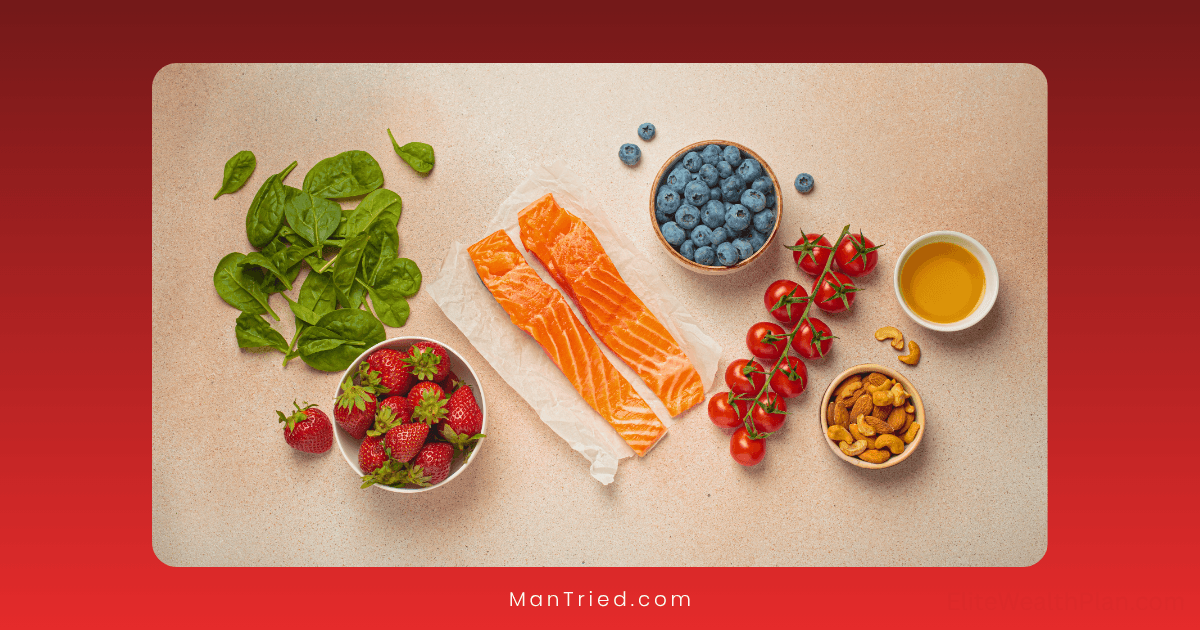
Erectile dysfunction (ED) affects millions of men worldwide, with projections suggesting the number will reach 322 million by 2025. While pharmaceutical interventions like Viagra and Cialis are common treatments, growing evidence suggests that addressing underlying inflammation through diet may provide a natural, effective approach to improving erectile function.
Research has established a clear link between inflammation and erectile dysfunction. A groundbreaking study published in PMC found that men with higher dietary inflammation scores had a 1.64 times higher risk of ED compared to those with lower scores. This connection makes sense when we understand that erections depend on healthy blood vessels, and inflammation is a primary driver of vascular damage.
This comprehensive guide explores how anti-inflammatory eating can improve erectile function, offering practical strategies to implement this approach in your daily life.
Before diving into specific dietary recommendations, it’s important to understand how inflammation impairs erectile function:
Researchers use the Dietary Inflammation Index (DII) to quantify how inflammatory a person’s diet is. Foods are scored based on their known effects on inflammatory markers like C-reactive protein (CRP), interleukin-6 (IL-6), and tumor necrosis factor-alpha (TNF-α).
A higher DII score indicates a more inflammatory diet, while a lower score suggests an anti-inflammatory eating pattern.
Based on the latest research, here are the fundamental principles of an anti-inflammatory diet specifically tailored for erectile function:
A systematic review and meta-analysis found that plant-based diets were associated with a 29% reduced risk of erectile dysfunction. Plant foods are rich in antioxidants and phytonutrients that combat inflammation.
Key components:
Nitric oxide is crucial for erectile function, as it relaxes penile blood vessels, allowing increased blood flow. Certain foods enhance nitric oxide production or bioavailability:
Top nitric oxide-boosting foods:
Not all fats are inflammatory. Omega-3 fatty acids have potent anti-inflammatory effects, while certain omega-6 fatty acids (especially when consumed in excess) and trans fats promote inflammation.
Anti-inflammatory fat sources:
A 2023 study indicated that higher intake of omega-3 fatty acids may reduce sexual dysfunction linked to environmental pollutants.
Certain foods can trigger inflammatory responses, potentially worsening erectile dysfunction:
Foods to limit or avoid:
Emerging research suggests gut health plays a significant role in systemic inflammation. An unhealthy gut microbiome can increase inflammatory markers throughout the body, potentially affecting erectile function.
Gut-supporting foods:
According to Dr. Ruscio, “Gut health plays a significant role in erectile dysfunction, with dysbiosis potentially leading to inflammation, hormonal imbalances, and mood alterations.”
This three-week plan gradually introduces anti-inflammatory eating principles, focusing specifically on foods that support erectile health:
Focus: Eliminate major inflammatory triggers while introducing key anti-inflammatory foods.
Daily goals:
Sample day:
Breakfast: Greek yogurt with berries, walnuts, and a drizzle of honey
Lunch: Large salad with mixed greens, grilled chicken, avocado, cherry tomatoes, and olive oil dressing
Dinner: Baked salmon with roasted garlic, steamed broccoli, and quinoa
Snack: Apple slices with almond butter
Focus: Strategically incorporate foods known to boost nitric oxide levels.
Daily goals:
Sample day:
Breakfast: Spinach and mushroom omelet with a side of mixed berries
Lunch: Arugula salad with lentils, roasted beets, walnuts, and olive oil dressing
Dinner: Garlic and herb grilled chicken with roasted sweet potatoes and sautéed kale
Snack: Dark chocolate (70%+ cacao) and pomegranate seeds
Focus: Integrate all aspects of anti-inflammatory eating with special attention to timing and combinations for maximum benefit.
Daily goals:
Sample day:
Breakfast: Overnight oats with chia seeds, blueberries, cinnamon, and almond butter
Lunch: Mediterranean bowl with quinoa, chickpeas, cucumber, tomatoes, olives, feta, and tahini dressing
Dinner: Turmeric-ginger salmon with watermelon, arugula, and avocado salad
Snack: Handful of pistachios and an orange
Let’s explore the science behind specific foods that combat inflammation and support erectile health:
Berries are among the most potent anti-inflammatory foods, packed with anthocyanins and other polyphenols.
Research insight: Regular consumption of antioxidant-rich fruits like strawberries and blueberries is linked to a 19% lower likelihood of experiencing erectile dysfunction.
Practical tip: Aim for 1/2 cup of mixed berries daily, either as a snack, in smoothies, or added to breakfast.
Salmon, mackerel, sardines, and other fatty fish are rich in omega-3 fatty acids EPA and DHA, which have powerful anti-inflammatory effects.
Research insight: Omega-3 fatty acids found in fish can increase nitric oxide production and have anti-inflammatory effects that benefit vascular function.
Practical tip: Include fatty fish 2-3 times weekly, or consider a high-quality fish oil supplement if you don’t consume fish.
The cornerstone of the Mediterranean diet, olive oil contains oleocanthal, which has anti-inflammatory effects similar to ibuprofen.
Research insight: Olive oil, particularly extra virgin and unrefined, is associated with improved erectile function as part of the Mediterranean diet.
Practical tip: Use as your primary cooking oil and in salad dressings, aiming for 2-3 tablespoons daily.
Spinach, kale, arugula, and other leafy greens are packed with antioxidants and nitrates that support nitric oxide production.
Research insight: Nitrates in foods like arugula and spinach are linked to increased nitric oxide production, which can help improve erectile function by enhancing blood flow.
Practical tip: Include at least 2 cups of leafy greens daily, either in salads, smoothies, or cooked dishes.
Walnuts, almonds, pistachios, and other nuts provide healthy fats, antioxidants, and L-arginine, which supports nitric oxide production.
Research insight: Studies indicate that nuts can improve erectile and sexual function, with pistachios showing particular promise.
Practical tip: Consume a small handful (about 1 ounce) of mixed nuts daily as a snack or added to meals.
This bright yellow spice contains curcumin, a compound with potent anti-inflammatory and antioxidant properties.
Research insight: Curcumin has been shown to improve endothelial function and reduce inflammatory markers associated with erectile dysfunction.
Practical tip: Add to smoothies, soups, curries, or take as a supplement (with black pepper for better absorption).
Rich in catechins, green tea has anti-inflammatory effects and supports vascular health.
Research insight: Green tea contains catechins that improve blood pressure and cholesterol levels, thus benefiting erectile function.
Practical tip: Drink 2-3 cups daily, preferably between meals for better catechin absorption.
Transitioning to an anti-inflammatory diet doesn’t have to be overwhelming. Here are practical strategies to make this approach sustainable:
Rather than overhauling your entire diet at once, make incremental changes:
Structure your meals using this simple template:
Consider timing certain foods for maximum erectile benefit:
Prepare anti-inflammatory components in advance:
Make these simple swaps to reduce inflammatory foods while enhancing erectile function:
Maintaining an anti-inflammatory approach when eating out:
While whole foods should be the foundation, certain supplements may enhance an anti-inflammatory approach:
Important: Consult with a healthcare provider before starting any supplements, especially if you’re taking medications.
Understanding the typical timeline for improvements can help maintain motivation:
Research insight: A 2025 study in Frontiers in Nutrition found that dietary quality, particularly anti-inflammatory and antioxidant properties, plays a crucial role in sexual health and ED risk, with effects becoming more pronounced over time.
While diet is foundational, other lifestyle factors can either amplify or undermine your anti-inflammatory efforts:
Exercise reduces inflammation through multiple mechanisms:
Recommendation: Aim for 150 minutes of moderate activity weekly, including both cardiovascular exercise and strength training.
Chronic stress triggers inflammation through elevated cortisol levels:
Poor sleep increases inflammatory markers and is independently associated with erectile dysfunction:
Certain environmental exposures can trigger inflammation:
Certain health conditions require tailored approaches to anti-inflammatory eating for erectile function:
Background:
Anti-inflammatory approach:
Results after 3 months:
Background:
Anti-inflammatory approach:
Results after 2 months:
The connection between inflammation and erectile dysfunction offers a powerful opportunity to improve sexual health through dietary choices. By adopting an anti-inflammatory eating pattern rich in nitric oxide-boosting foods, you’re not only addressing symptoms but targeting a root cause of erectile dysfunction.
Remember that consistency matters more than perfection. Small, sustainable changes implemented over time will yield better results than short-term, drastic measures. As you incorporate more anti-inflammatory foods and reduce inflammatory triggers, you’ll likely notice benefits extending beyond sexual health—including improved energy, better mood, enhanced cognitive function, and reduced risk of chronic disease.
The evidence is clear: what’s good for your overall health is good for your sexual health. An anti-inflammatory diet represents one of the most effective, sustainable approaches to improving erectile function while enhancing quality of life across multiple dimensions.
While individual responses vary, many men notice initial improvements within 2-4 weeks of consistent anti-inflammatory eating. More significant changes typically occur after 1-3 months. Morning erections, which are a good indicator of vascular health, often improve first.
A sustainable approach allows for occasional consumption of less optimal foods. Consider following the 80/20 rule—focus on anti-inflammatory choices 80% of the time, allowing flexibility for the remaining 20%. However, some individuals may be particularly sensitive to certain inflammatory triggers and might benefit from stricter elimination.
For some men, especially those whose ED is primarily related to metabolic or inflammatory issues, dietary changes may significantly reduce or eliminate the need for medications. However, this varies by individual and depends on the underlying causes of ED. Always consult with a healthcare provider before adjusting medications.
Anti-inflammatory eating is most effective for ED with vascular or metabolic origins. While it can help with most forms of ED to some degree, cases primarily caused by structural issues, severe hormonal deficiencies, or psychological factors may require additional interventions alongside dietary changes.
While ketogenic and paleo diets may offer some anti-inflammatory benefits, they don’t specifically target all the nutritional factors that support erectile function. The approach outlined here incorporates elements from various evidence-based dietary patterns (Mediterranean, DASH, plant-forward) with specific emphasis on foods that support nitric oxide production and vascular health.