🛍️ Products
❤️ Health
🌿 Wellness
💪 Performance
🤝 Relationships
🛍️ Products
❤️ Health
🌿 Wellness
💪 Performance
🤝 Relationships

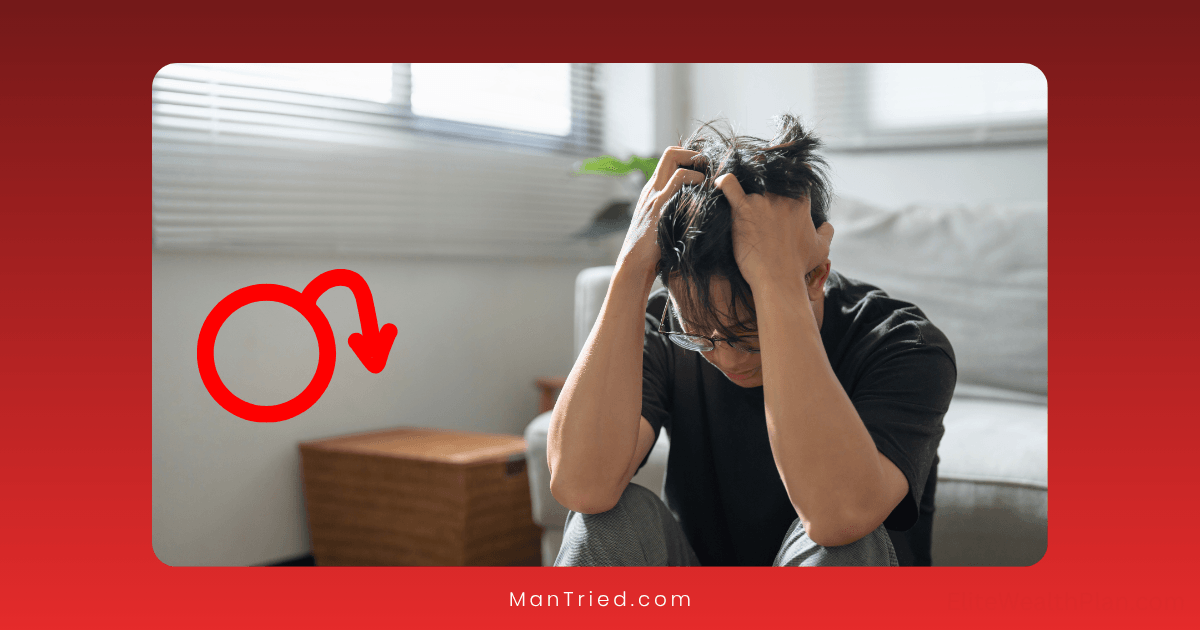
When James first experienced erectile dysfunction at age 42, he thought it was just a temporary issue—perhaps stress from his recent promotion or fatigue from long work hours. But as weeks turned into months with no improvement, he found himself spiraling into a dark place emotionally.
“I stopped initiating intimacy with my wife. I made excuses to avoid situations that might lead to sex. I began to question my worth as a husband and even as a man,” James recalls. “What started as a physical issue quickly became an all-consuming mental health struggle that affected every aspect of my life.”
James’s experience reflects a reality that millions of men face but few discuss openly: erectile dysfunction (ED) isn’t just a physical condition—it’s a complex issue with profound psychological implications that can ripple through every aspect of a man’s life.
To understand the mental health impact of erectile dysfunction, we first need to recognize how widespread this condition is:
“These statistics tell only part of the story,” explains Dr. Sarah Chen, clinical psychologist specializing in sexual health issues. “Behind each number is a man experiencing not just physical symptoms, but potentially significant psychological distress that often goes unaddressed.”
Erectile dysfunction can trigger a complex cascade of psychological responses:
Anxiety both contributes to and results from erectile dysfunction, creating a vicious cycle:
“Many men experience what we call ‘anticipatory anxiety,'” explains Dr. Robert Williams, sex therapist. “They become so fearful of another ‘failure’ that they either avoid sex entirely or are so focused on monitoring their response that they can’t be present in the moment, which further impairs function.”
The link between depression and erectile dysfunction is particularly strong:
“Depression and erectile dysfunction have a bidirectional relationship,” notes Dr. Michael Torres, psychiatrist. “Depression can cause ED through both physiological mechanisms and reduced interest in sex, while ED can trigger or worsen depression by impacting self-esteem and relationship satisfaction.”
For many men, erectile function is deeply intertwined with their sense of masculinity and self-worth:
“In therapy, I often hear men say things like ‘I don’t feel like a real man anymore’ or ‘What good am I as a husband?'” says Dr. Chen. “These statements reflect how deeply ED can affect a man’s fundamental sense of self.”
The stigma surrounding erectile dysfunction often leads to intense shame and social withdrawal:
Erectile dysfunction rarely affects only the individual—it impacts relationships in multiple ways:
“Partners often internalize a man’s ED, wondering if they’re no longer desirable or if they’re doing something wrong,” explains Dr. Jennifer Lopez, couples therapist. “Without open communication, both parties can develop narratives that further damage the relationship.”
While ED can affect anyone’s mental health, certain factors increase the risk of significant psychological impact:
Research consistently shows that more severe ED correlates with greater psychological distress:
Contrary to what some might expect, younger men often experience greater psychological distress from ED:
Men with pre-existing anxiety, depression, or other mental health conditions are particularly vulnerable:
The quality of relationships and support systems significantly impacts how men cope with ED:
The relationship between erectile dysfunction and mental health is bidirectional—psychological factors not only result from ED but can also cause or worsen it:
Mental health affects erectile function through several physiological pathways:
Mental health issues can lead to behaviors that worsen erectile function:
“This creates what we call a ‘negative feedback loop,'” explains Dr. Torres. “The ED causes psychological distress, which worsens the ED, which increases the distress, and so on. Breaking this cycle often requires addressing both the physical and psychological aspects simultaneously.”
Given the complex interplay between physical and psychological factors, proper assessment of ED requires a comprehensive approach:
A thorough medical workup should include:
Equally important is assessing mental health factors:
“Too often, men receive either a purely medical or purely psychological approach,” notes Dr. Williams. “The most effective treatment acknowledges that for most men, both physical and psychological factors are at play, regardless of the original cause.”
Effective treatment for the psychological aspects of ED typically involves multiple components:
Various therapeutic approaches can help men cope with the psychological impact of ED:
When ED affects relationships, involving partners in treatment can be crucial:
The most effective approaches combine medical and psychological interventions:
“When we treat the whole person—not just the physical symptom—outcomes improve dramatically,” says Dr. Chen. “Men not only recover erectile function but also develop healthier attitudes toward sexuality and relationships.”
Several lifestyle modifications can positively impact both erectile function and mental health:
Regular exercise benefits both conditions:
Dietary choices affect both physical and mental health:
Effective stress reduction techniques include:
Quality sleep is crucial for both erectile function and mental health:
Perhaps the most important step in addressing the psychological impact of ED is breaking the silence surrounding the condition:
Despite the prevalence of ED, many men never discuss it with their doctors:
“The first and often hardest step is simply bringing it up with a healthcare provider,” advises Dr. Torres. “A simple statement like ‘I’ve been having some difficulties with erections and it’s affecting my mood’ can open the door to proper evaluation and treatment.”
Open communication with partners is equally important:
Connecting with others who understand can reduce isolation:
For many men, the journey through erectile dysfunction ultimately leads to a healthier, more nuanced understanding of masculinity and sexuality:
“Many men emerge from this experience with a broader, healthier concept of what it means to be a man,” explains Dr. Lopez. “They realize that true masculinity isn’t defined by sexual performance but by qualities like resilience, emotional intelligence, and the ability to be vulnerable and seek help when needed.”
Treatment often involves expanding definitions of sexual satisfaction beyond erection and penetration:
For James, whose story opened this article, working through the psychological aspects of ED ultimately strengthened both his mental health and his relationship:
“It forced conversations my wife and I had been avoiding for years,” he reflects. “We learned to communicate about sex in ways we never had before. I also had to confront some unhealthy beliefs about masculinity I didn’t even realize I had. It was a difficult journey, but in many ways, our relationship is stronger now than before this happened.”
Erectile dysfunction is never “just” a physical condition—it has profound psychological dimensions that affect men’s mental health, relationships, and quality of life. Recognizing and addressing these psychological aspects is essential for comprehensive treatment and recovery.
“The good news,” concludes Dr. Chen, “is that effective treatments exist for both the physical and psychological aspects of ED. No man should suffer in silence or feel that ED defines his worth or his future. With proper support, most men can regain not just sexual function, but a healthy, confident sense of themselves as sexual beings.”
Have you or a loved one experienced the psychological impacts of erectile dysfunction? What strategies helped you cope with these challenges? Share your experiences in the comments below.