🛍️ Products
❤️ Health
🌿 Wellness
💪 Performance
🤝 Relationships
🛍️ Products
❤️ Health
🌿 Wellness
💪 Performance
🤝 Relationships

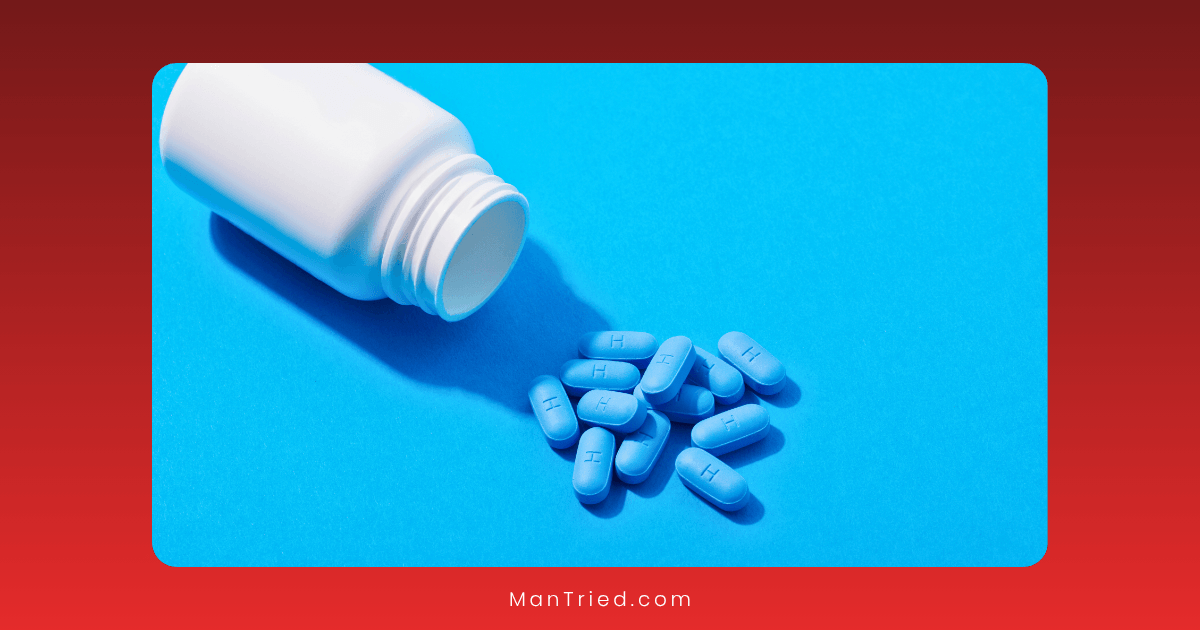
HIV prevention has evolved dramatically over the past decade. Gone are the days when condoms were the only reliable defense against HIV transmission. Today, powerful medication-based prevention strategies—Pre-Exposure Prophylaxis (PrEP) and Post-Exposure Prophylaxis (PEP)—offer highly effective protection options for sexually active men.
This comprehensive guide explores everything you need to know about these game-changing HIV prevention tools: how they work, their effectiveness, how to access them, and how to determine if they’re right for you.
While both PrEP and PEP involve antiretroviral medications similar to those used to treat HIV, they serve different purposes in prevention:
PrEP is a preventive medication taken by HIV-negative individuals before potential exposure to HIV. Think of it as similar to how you might take antimalarial medication before traveling to regions where malaria is common.
According to the Centers for Disease Control and Prevention (CDC), when taken as prescribed, PrEP reduces the risk of getting HIV from sex by about 99% and from injection drug use by at least 74%.
PEP is an emergency medication taken after a potential exposure to HIV. It must be started within 72 hours (3 days) of possible exposure and continued for 28 days.
PEP works by stopping the virus from establishing itself in the body after exposure. According to HIV.gov, PEP has shown an 81% reduction in HIV infection among those who received treatment after exposure.
PrEP has evolved from a single daily pill to multiple options with different administration methods. Here’s what’s available in 2025:
Dr. Demetre Daskalakis, Director of the CDC’s Division of HIV Prevention, notes: “The expansion of PrEP options represents a significant advance in HIV prevention. Having multiple choices means individuals can select the option that best fits their lifestyle and preferences.”
The effectiveness of PrEP is directly tied to adherence:
Studies show that injectable PrEP may be particularly beneficial for individuals who struggle with daily pill-taking. According to research published in the New England Journal of Medicine, injectable cabotegravir was more effective than daily oral PrEP in preventing HIV infection, largely due to the adherence advantage.
While PrEP is planned prevention, PEP serves as an emergency intervention after a potential HIV exposure has occurred.
PEP should be considered after:
The CDC-recommended PEP regimen for adults includes:
Alternative regimens may be prescribed based on individual health factors or potential drug interactions.
PrEP is recommended for HIV-negative men who:
The CDC notes that anyone who requests PrEP should be considered for it, regardless of reported risk factors.
PEP is appropriate for anyone who has experienced a possible HIV exposure within the past 72 hours and is not already on PrEP.
Dr. Carlos del Rio, Professor of Medicine at Emory University, emphasizes: “PEP should be considered an emergency intervention. The sooner it’s started after exposure, the more effective it is—ideally within the first 24 hours.”
Both PrEP and PEP require a prescription. You can obtain these from:
Many cities now have same-day PrEP programs that allow you to start medication immediately after your initial visit.
Under the Affordable Care Act, most private insurance plans, Medicaid, and Medicare must cover PrEP without cost-sharing (no copays or deductibles). This includes:
However, a legal challenge (Braidwood Management Inc. v. Becerra) currently before the Supreme Court could potentially impact this coverage in the future.
For those without insurance, several options exist:
According to a study published in Health Affairs, the cost of PEP without insurance can range from $600 to $1,000 for the full 28-day course.
Most people tolerate PrEP well, but potential side effects include:
For oral PrEP (Truvada/F-TDF):
For oral PrEP (Descovy/F-TAF):
For injectable PrEP (Apretude/cabotegravir):
For injectable PrEP (Yeztugo/lenacapavir):
Dr. Kenneth Mayer, Medical Research Director at Fenway Health, notes: “The side effects of PrEP are generally mild and temporary. For most people, the benefits of HIV prevention far outweigh these manageable side effects.”
PEP regimens may cause:
These side effects can be more pronounced than with PrEP due to the three-drug combination used.
For PrEP:
For PEP:
Neither PrEP nor PEP should be viewed as a complete replacement for other HIV prevention methods. The most effective approach combines multiple strategies:
Dr. Leandro Mena, Director of the CDC’s Division of STD Prevention, emphasizes: “PrEP and PEP are powerful tools, but they work best as part of a comprehensive sexual health strategy that includes regular testing and other prevention methods.”
Despite their effectiveness, both PrEP and PEP can carry social stigma. Some men report concerns about being perceived as promiscuous or engaging in risky behavior if they use these prevention methods.
Research published in the Journal of the International AIDS Society found that stigma remains a significant barrier to PrEP uptake, particularly among racial and ethnic minority communities.
Strategies to address stigma include:
Discussing PrEP or PEP use with partners can be challenging but important. Consider these approaches:
For some men, anxiety about HIV can impact sexual enjoyment and relationship satisfaction. PrEP and PEP can provide peace of mind that enhances overall well-being.
A study in the Journal of Acquired Immune Deficiency Syndromes found that PrEP users reported decreased anxiety about HIV and improved sexual satisfaction.
HIV prevention continues to evolve rapidly. Emerging options include:
Dr. Anthony Fauci, former director of the National Institute of Allergy and Infectious Diseases, notes: “We’re moving toward an era where HIV prevention can be increasingly individualized, with multiple options to fit different needs and preferences.”
Consider these questions when evaluating whether PrEP is appropriate for your situation:
For PEP, the decision is typically more straightforward—if you’ve had a potential HIV exposure within the past 72 hours, seeking PEP immediately is recommended.
PrEP and PEP represent remarkable advances in HIV prevention technology, offering sexually active men unprecedented control over their health. By understanding these options, you can make informed decisions that align with your lifestyle, preferences, and risk factors.
Remember that accessing these medications requires proactive engagement with healthcare providers. Don’t wait for your provider to bring up these options—advocate for your health by initiating the conversation.
With proper use, these powerful prevention tools can provide both physical protection and peace of mind, allowing for healthier and more confident sexual expression.