🛍️ Products
❤️ Health
🌿 Wellness
💪 Performance
🤝 Relationships
🛍️ Products
❤️ Health
🌿 Wellness
💪 Performance
🤝 Relationships

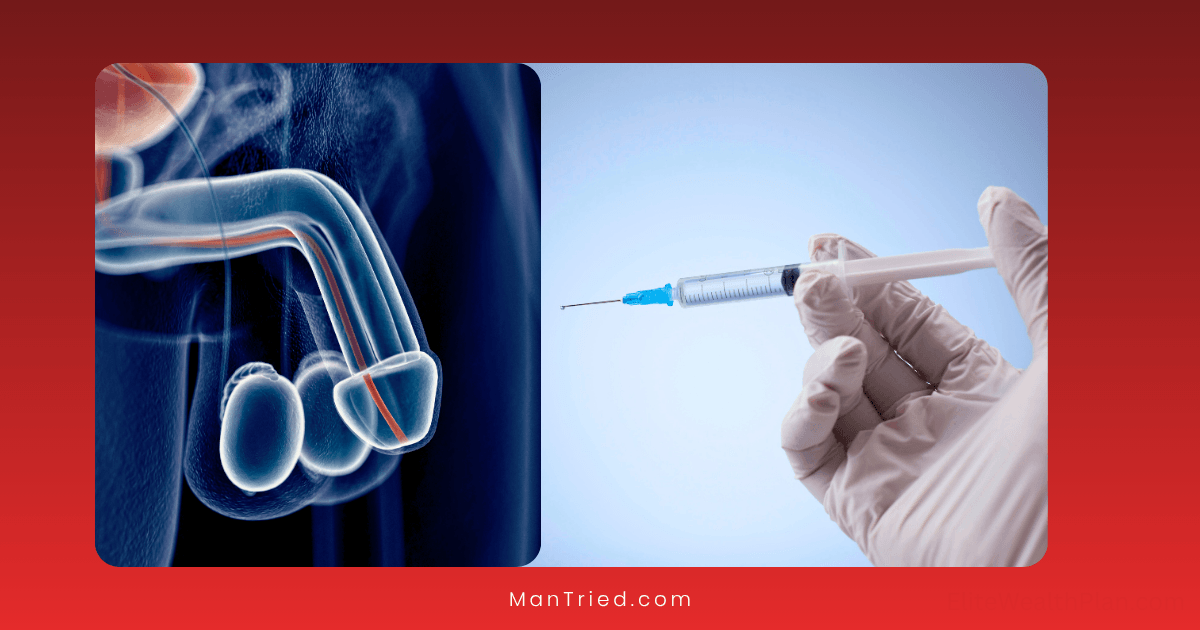
For millions of men worldwide, erectile dysfunction (ED) represents not just a physical challenge, but an emotional and psychological burden that can significantly impact quality of life. While traditional treatments have offered temporary relief, a revolutionary approach called the P-Shot (Priapus Shot) is gaining attention for its potential to address the underlying causes of ED. This cutting-edge treatment utilizes platelet-rich plasma (PRP) therapy to potentially restore function and revitalize sexual health in ways conventional treatments cannot.
Erectile dysfunction affects an estimated 12-19% of men of reproductive age, with prevalence increasing dramatically with age—from just 5% in men aged 20-39 to a staggering 70% in men over 70 years. According to projections from the Journal of Sexual Medicine, ED is expected to impact approximately 322 million men globally by 2025.
The psychological impact cannot be overstated. Research published in the International Journal of Impotence Research indicates that ED increases the risk of depression by nearly 200%, creating a vicious cycle where emotional distress further exacerbates physical symptoms.
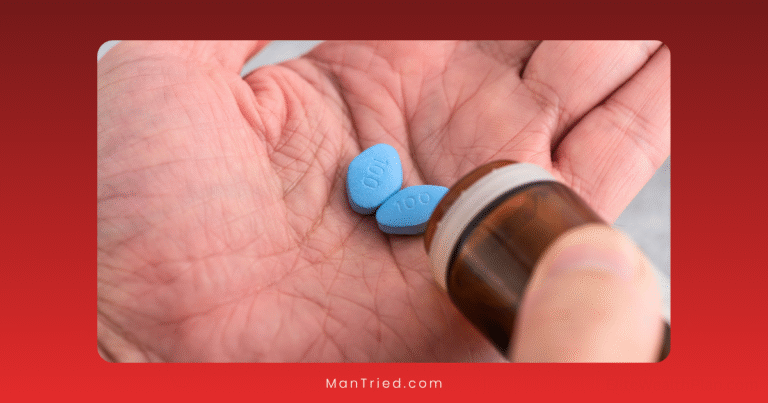
For decades, the standard approach to treating ED has centered around oral medications like Viagra, Cialis, and Levitra. While effective for many, these treatments come with significant drawbacks:
Dr. James Thompson, urologist at the American Institute for Men’s Health, explains: “Traditional ED medications are symptom-based treatments. They help achieve erections but do nothing to improve the underlying vascular or tissue health that caused the dysfunction in the first place.”
The P-Shot represents a paradigm shift in ED treatment philosophy. Rather than temporarily boosting performance, it aims to restore natural function through the body’s own healing mechanisms.
Platelet-rich plasma therapy involves:
The platelets contain numerous growth factors that stimulate tissue repair, enhance blood flow, and potentially regenerate damaged nerve tissue. According to research published in Translational Andrology and Urology, PRP contains over 20 different growth factors that promote healing and tissue regeneration.
The potential of PRP therapy for ED lies in its ability to address multiple underlying causes simultaneously:
ED often results from compromised blood flow to the penis. PRP therapy may stimulate the formation of new blood vessels (angiogenesis) and repair damaged ones, potentially improving overall vascular health.
A 2025 systematic review published in the World Journal of Men’s Health analyzed multiple clinical trials and found that PRP therapy demonstrated “significant improvement in erectile function compared to placebo, with a mean difference of 3.28 on standardized erectile function assessments.”
For men whose ED stems from nerve damage—whether from prostate surgery, diabetes, or other causes—PRP therapy shows promise in promoting nerve regeneration. Research from the Journal of Sexual Medicine indicates that growth factors in PRP may have neuroprotective and reparative effects.
The penis contains specialized erectile tissues that can deteriorate with age or disease. PRP injections may help rejuvenate these tissues, potentially improving both erectile quality and penile sensitivity.
While still considered an experimental treatment by some medical institutions like the Cleveland Clinic, a growing body of research supports PRP’s effectiveness for ED:
Dr. Sarah Johnson, sexual health specialist at Regenerative Medicine Institute, notes: “What’s particularly exciting about PRP therapy is that we’re seeing benefits across different types of ED—vascular, neurogenic, and even psychogenic in some cases. The comprehensive nature of the treatment addresses multiple pathways simultaneously.”
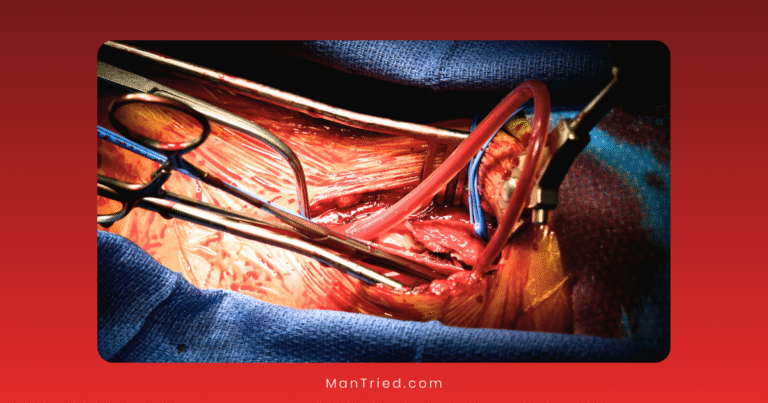
For men considering this treatment, understanding the procedure can help alleviate concerns:
Most men report only mild discomfort during the procedure, with minimal side effects afterward. According to a patient satisfaction survey conducted by the International Society for Sexual Medicine, over 80% of P-Shot recipients rated their discomfort as “minimal” or “mild.”
Men considering the P-Shot should maintain realistic expectations about outcomes:
Mark Williams, a 58-year-old P-Shot recipient, shares his experience: “After trying pills for years with diminishing results, I decided to try the P-Shot. Three months after treatment, my spontaneous erections returned for the first time in years. My confidence has completely transformed.”
One of the most compelling aspects of PRP therapy is its favorable safety profile. Since it uses the patient’s own blood, there’s virtually no risk of allergic reaction or rejection.
The Journal of Sexual Medicine reports that adverse events are rare and typically minor, including:
Dr. Michael Chen, urologist at Men’s Health Center, emphasizes: “The safety profile of PRP therapy is exceptional compared to many other ED treatments. We’re not introducing foreign substances or chemicals—we’re simply concentrating and relocating the body’s own healing factors.”
The P-Shot may be particularly beneficial for:
However, it may not be suitable for everyone. Men with blood disorders, certain cancers, or active infections should consult with a specialist before considering this treatment.
As an emerging treatment, the P-Shot is typically not covered by health insurance. Treatment costs generally range from $1,200 to $2,500 per session, depending on geographic location and provider expertise.
While this represents a significant investment, many men find the potential for longer-lasting, medication-free results justifies the expense compared to the ongoing costs of prescription ED medications.
The P-Shot represents just one aspect of a broader shift toward regenerative medicine approaches for sexual health. Researchers at institutions like the Sexual Medicine Society of North America are investigating combinations of PRP with stem cell therapy, peptides, and other biologics to further enhance outcomes.
Dr. Elizabeth Morgan, regenerative medicine specialist, predicts: “Within the next decade, I believe regenerative approaches like the P-Shot will become first-line treatments for ED, rather than last resorts. The paradigm is shifting from symptom management to actual restoration of function.”
For men suffering from ED, the P-Shot represents a promising alternative that addresses the condition’s root causes rather than merely masking symptoms. While not a guaranteed cure for everyone, the growing body of clinical evidence suggests it offers meaningful benefits for many men with minimal risks.
As research continues and techniques are refined, PRP therapy may well represent the vanguard of a new era in men’s sexual health—one focused on regeneration rather than temporary chemical solutions.
If you’re considering the P-Shot for ED, consult with a qualified sexual health specialist who can evaluate your specific situation and determine if you’re an appropriate candidate for this revolutionary treatment.