🛍️ Products
❤️ Health
🌿 Wellness
💪 Performance
🤝 Relationships
🛍️ Products
❤️ Health
🌿 Wellness
💪 Performance
🤝 Relationships

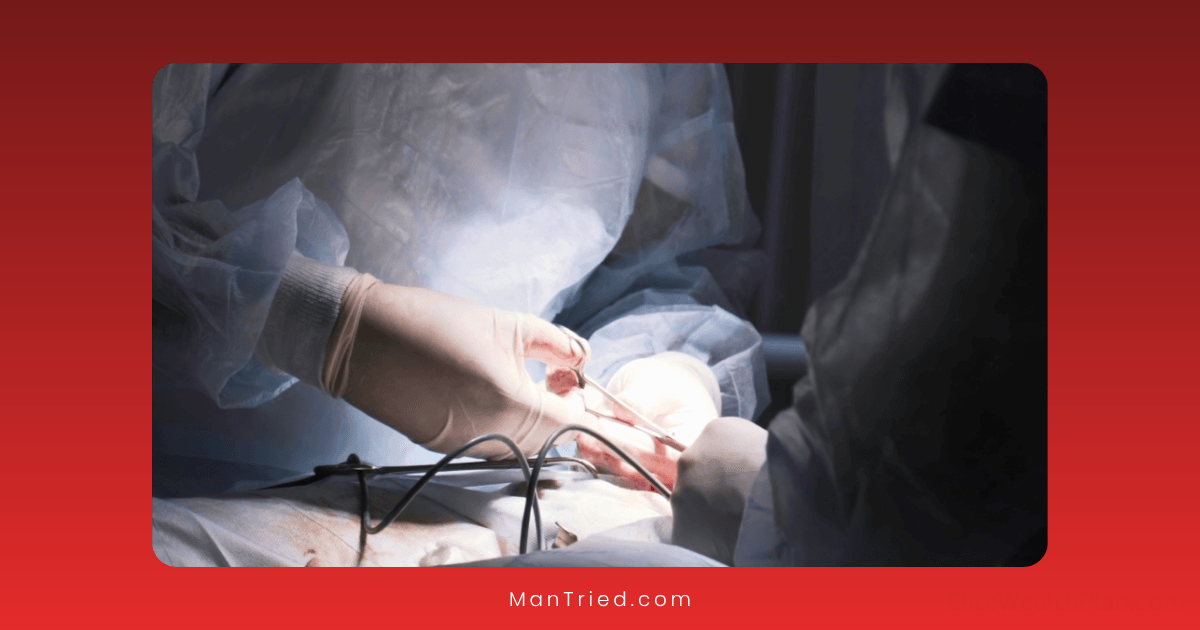
Concerns about penile size are common among men of all ages, with studies indicating that up to 45% of men desire a larger penis despite having normal measurements. This concern has fueled a growing industry of surgical and non-surgical enhancement procedures. However, the reality of penile enlargement surgery—including its effectiveness, risks, and psychological outcomes—often differs from the marketing claims. This article provides an evidence-based overview of penile enlargement procedures, realistic expectations for outcomes, and important considerations for anyone contemplating these interventions.
Before discussing enlargement procedures, it’s important to understand what’s considered normal:
According to a comprehensive review published in BJU International that analyzed data from 17 studies with over 15,000 men:
“It’s crucial to understand that there’s significant variation in what’s considered ‘normal,'” explains Dr. James Wilson, urologist at Cleveland Clinic. “Many men who seek enlargement surgery actually fall within normal ranges but have misconceptions about average size.”
Penile enlargement procedures can be classified based on their indications:
The vast majority of penile enlargement procedures are performed for cosmetic reasons in men with normal anatomy. According to the National Center for Biotechnology Information, many men seeking enlargement have what’s termed “penile dysmorphophobia” or “small penis anxiety” – a preoccupation with perceived inadequacy despite having normal measurements.
Several approaches exist for penile enlargement, targeting either length, girth, or both:
This procedure involves cutting the suspensory ligament that anchors the penis to the pubic bone.
Technique: Through a small incision above the penis, the surgeon divides the suspensory ligament, allowing more of the internal portion of the penis to extend outward.
Realistic Outcomes:
Potential Complications:
Used primarily for patients with Peyronie’s disease or penile shortening after prosthesis implantation.
Technique: The penis is partially disassembled and lengthened using grafts.
Realistic Outcomes:
Potential Complications:
Technique: Fat is harvested from the patient’s abdomen or thighs via liposuction and injected beneath the skin of the penis.
Realistic Outcomes:
Potential Complications:
Technique: Hyaluronic acid or other temporary fillers are injected beneath the penile skin.
Realistic Outcomes:
Potential Complications:
The only FDA-cleared implant specifically designed for cosmetic penile enhancement.
Technique: A crescent-shaped silicone sleeve is inserted beneath the penile skin through a small incision.
Realistic Outcomes:
Potential Complications:
Technique: Materials that stimulate collagen production are injected beneath the penile skin.
Realistic Outcomes:
Potential Complications:
According to Urology Specialists of Austin, it’s important to distinguish between marketing claims and evidence-based outcomes:
A critical consideration is patient satisfaction, which doesn’t always correlate with physical changes:
Dr. Sarah Thompson, a plastic surgeon specializing in male aesthetic procedures, notes: “Patient satisfaction is often more closely tied to realistic pre-operative expectations than to the actual size increase achieved. Patients with unrealistic expectations tend to be dissatisfied regardless of the objective outcome.”
According to a study published in the National Library of Medicine, psychological factors play a significant role in both the desire for and satisfaction with penile enlargement:
The Cleveland Clinic recommends psychological screening and counseling before proceeding with enlargement surgery:
“For some men, psychological counseling may be more appropriate than surgery,” explains Dr. Michael Roberts, a sexual health psychologist. “Understanding the root of size concerns and addressing body image issues can often resolve distress without the risks of surgical intervention.”
The recovery process varies significantly depending on the procedure:
According to Medical News Today, most procedures require approximately 30 days of limited physical activity and 60 days of sexual abstinence for optimal healing.
For men concerned about penile size but hesitant about surgery, several non-surgical options exist:
Penile traction devices apply gentle, sustained stretching to the penis.
While primarily designed for erectile dysfunction, vacuum devices may offer temporary size increases.
For overweight men, weight loss can increase visible penile length by reducing the fat pad at the base of the penis.
Penile enlargement procedures vary widely in cost:
Insurance rarely covers these procedures unless they address a true medical condition like micropenis or buried penis.
For men considering penile enlargement surgery, the following steps are recommended:
Dr. Rafael Carrion, Professor of Urology at USF Health, advises: “The most important factor in satisfaction after penile enlargement procedures is having realistic expectations. I encourage patients to thoroughly research the procedures, understand the potential complications, and carefully consider whether the potential benefits outweigh the risks.”
Penile enlargement surgery can provide modest increases in size for appropriately selected patients. However, the reality often falls short of marketing claims, and all procedures carry significant risks. For many men with normal anatomy, the psychological benefits may not justify the physical risks and financial costs.
Men considering these procedures should seek consultation with qualified specialists, undergo appropriate psychological screening, and maintain realistic expectations about outcomes. For some, non-surgical alternatives or addressing underlying body image concerns may provide more satisfaction with fewer risks.