🛍️ Products
❤️ Health
🌿 Wellness
💪 Performance
🤝 Relationships
🛍️ Products
❤️ Health
🌿 Wellness
💪 Performance
🤝 Relationships

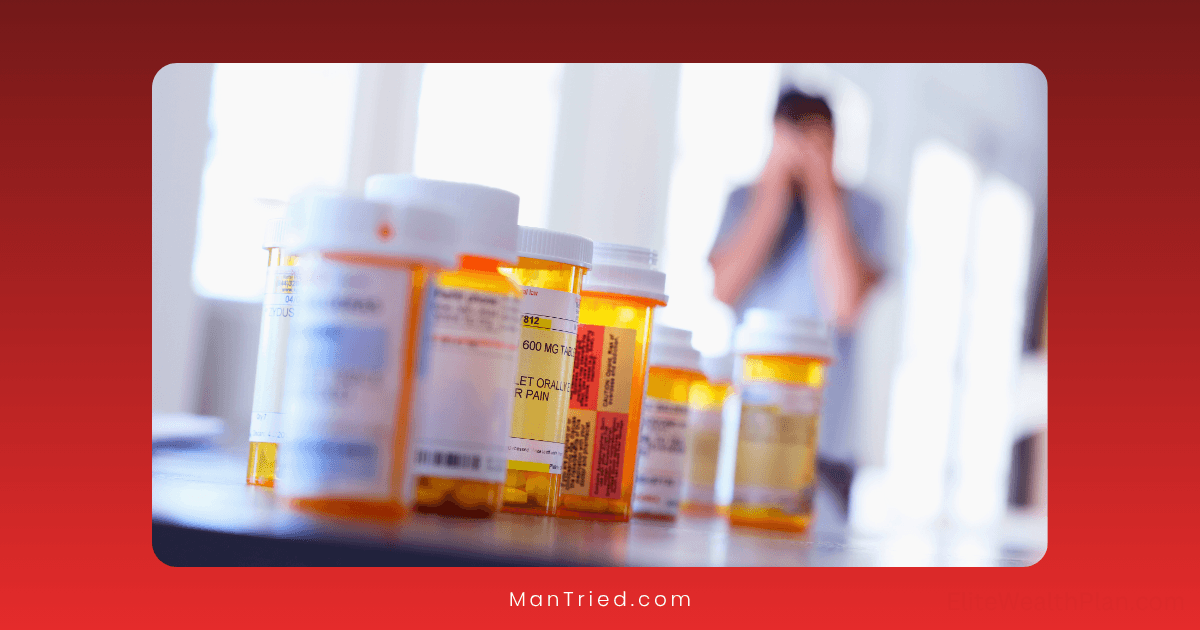
For many men, taking medication for a health condition comes with an unexpected side effect: delayed ejaculation (DE). This frustrating sexual issue is characterized by a significant delay in reaching orgasm or the complete inability to ejaculate despite adequate sexual stimulation and desire.
While delayed ejaculation can stem from various causes, medication-induced DE is particularly common and often overlooked in clinical discussions. This comprehensive guide explores which medications can cause this side effect, how they affect ejaculation, and what solutions are available to help restore normal sexual function.
According to the Cleveland Clinic, delayed ejaculation occurs when a man takes an extended period—often 30 minutes or longer—to reach orgasm and ejaculate, despite sufficient sexual stimulation. In some cases, ejaculation may not occur at all (anejaculation).
A 2023 study estimates that DE affects 5-10% of males, with medication side effects being one of the most common and treatable causes.
To understand how medications interfere with ejaculation, it’s helpful to know the normal physiology of male orgasm, which involves:
Medications can disrupt this process by:
Selective Serotonin Reuptake Inhibitors (SSRIs)
SSRIs are among the most common culprits of medication-induced DE. According to research published in PMC, these medications can cause sexual dysfunction in 50-80% of patients.
Common SSRIs that may cause DE include:
Paroxetine appears to have the highest rate of ejaculatory problems, while fluoxetine and sertraline have intermediate rates.
Other Antidepressants
Interestingly, one antidepressant—bupropion (Wellbutrin)—is less likely to cause sexual side effects and is sometimes used to counteract the sexual dysfunction caused by other antidepressants.
Medications used to treat schizophrenia, bipolar disorder, and other psychiatric conditions can significantly impact sexual function:
These medications affect dopamine and other neurotransmitters involved in sexual arousal and orgasm.
Alpha-blockers
Beta-blockers
According to Urology Specialists of Austin, alpha-blockers in particular can cause retrograde ejaculation (when semen enters the bladder instead of exiting through the penis) or delayed ejaculation.
If you’re experiencing delayed ejaculation, determining whether medication is the culprit involves several considerations:
Before assuming medication is the cause, consider other potential factors:
The Mayo Clinic recommends discussing your symptoms with the healthcare provider who prescribed the medication. They can help determine if your DE is likely medication-related and suggest appropriate solutions.
The good news is that medication-induced DE is often reversible or manageable. Here are the most effective approaches:
Dose Reduction
Sometimes, lowering the dose of the problematic medication can reduce sexual side effects while still treating the original condition. This should always be done under medical supervision.
Timing Modifications
Taking the medication at a different time of day, possibly further from sexual activity, may help minimize its impact on sexual function.
Medication Holidays
For some medications with shorter half-lives, your doctor might approve skipping a dose before planned sexual activity. This approach works best with medications that leave the system relatively quickly and when daily dosing isn’t critical.
Switching Medications
Changing to a different medication within the same class or to another class entirely may help. For example:
Several medications can be prescribed specifically to counteract delayed ejaculation:
Cyproheptadine
This antihistamine has shown promise in reversing SSRI-induced sexual dysfunction. A systematic review found that cyproheptadine helped improve ejaculatory function in about 60% of cases, with a typical dose of 4-12 mg taken 1-2 hours before sexual activity.
Amantadine
Originally used for Parkinson’s disease, amantadine has been reported to improve sexual functioning in about 42% of patients experiencing antidepressant-induced sexual dysfunction.
Buspirone
This anti-anxiety medication may help reduce SSRI-induced sexual dysfunction when taken at doses of 20-60 mg daily.
Alpha-1 Adrenergic Agonists
Medications like pseudoephedrine, ephedrine, and midodrine can help improve ejaculation by increasing the contractility of the seminal vesicles and vas deferens. Midodrine appears to be the most effective, with success rates around 18% for restoring antegrade ejaculation.
Cabergoline
This medication lowers prolactin levels and has shown promise in treating DE. In a small study, 70% of men with DE reported improvement with cabergoline.
Enhanced Stimulation Techniques
Mindfulness and Relaxation
Pelvic Floor Exercises
The Cleveland Clinic suggests that Kegel exercises can strengthen the pelvic floor muscles involved in ejaculation, potentially improving control and sensation.
Sex Therapy
Working with a qualified sex therapist can help address the psychological impact of medication-induced DE and develop coping strategies.
Couples Counseling
Including partners in the treatment process can improve communication, reduce relationship strain, and explore satisfying sexual activities that don’t necessarily require ejaculation.
John, 42, experienced delayed ejaculation after starting sertraline for depression. After discussing the issue with his psychiatrist, they implemented a multi-faceted approach:
This combination allowed John to maintain the antidepressant benefits while significantly improving his sexual function.
Michael, 55, developed DE after starting tamsulosin for benign prostatic hyperplasia (BPH). His urologist switched him to alfuzosin, another alpha-blocker with a potentially lower risk of sexual side effects. After six weeks, Michael reported normal ejaculatory function while still experiencing relief from his BPH symptoms.
David, 38, needed to continue his SSRI for anxiety but was distressed by his inability to ejaculate. His treatment plan included:
This comprehensive approach allowed David to reach orgasm in about 75% of sexual encounters, a significant improvement from his previous situation.
Consider consulting a healthcare provider if:
When discussing medication-induced DE with your doctor:
Medication-induced delayed ejaculation can be frustrating, but it’s important to remember that effective solutions exist. By working closely with healthcare providers, being willing to try different approaches, and maintaining open communication with partners, most men can find a balance between treating their medical conditions and maintaining satisfying sexual function.
Remember that you should never discontinue or adjust medication dosages without medical supervision, as this could have serious health consequences. With the right approach, it’s often possible to address both your health needs and your sexual wellbeing.
Have you found particular strategies helpful in managing medication-induced sexual side effects? Share your experiences in the comments below.