🛍️ Products
❤️ Health
🌿 Wellness
💪 Performance
🤝 Relationships
🛍️ Products
❤️ Health
🌿 Wellness
💪 Performance
🤝 Relationships


For the millions of men suffering from Peyronie’s disease, the physical pain often takes a backseat to the emotional and psychological toll. The characteristic penile curvature, pain during erections, and potential erectile dysfunction can devastate intimate relationships and shatter self-confidence.
Traditional treatments—from oral medications to invasive surgeries—have offered mixed results at best. But a new frontier in medicine is bringing genuine hope to those affected: regenerative medicine approaches that work with the body’s own healing mechanisms rather than against them.
Before diving into treatments, it’s important to understand what we’re dealing with. Peyronie’s disease is characterized by the formation of fibrous plaques or scar tissue within the penis, causing curvature, pain, shortening, and often erectile dysfunction.
According to recent epidemiological studies, Peyronie’s affects between 3-9% of adult men, primarily those between 40-70 years of age—though younger men can certainly develop the condition as well. Many experts believe these numbers underestimate the true prevalence, as embarrassment prevents many men from seeking diagnosis.
The disease typically progresses through four distinct phases:
“The traditional approach has been to wait until the disease stabilizes before intervening,” explains Dr. Lawrence Ross, Professor of Urology at the University of Illinois. “But we’re learning that early intervention with regenerative approaches might actually prevent progression to the chronic phase.”
Until recently, men with Peyronie’s had limited options:
Treatments like pentoxifylline, potassium para-aminobenzoate, and various antioxidants have shown modest benefits at best. A systematic review published in the Journal of Sexual Medicine found that evidence supporting oral therapies remains weak.
Collagenase clostridium histolyticum (Xiaflex) is currently the only FDA-approved injection therapy. While effective for some, it requires multiple treatments, can be painful, and carries risks of penile fracture and severe bruising.
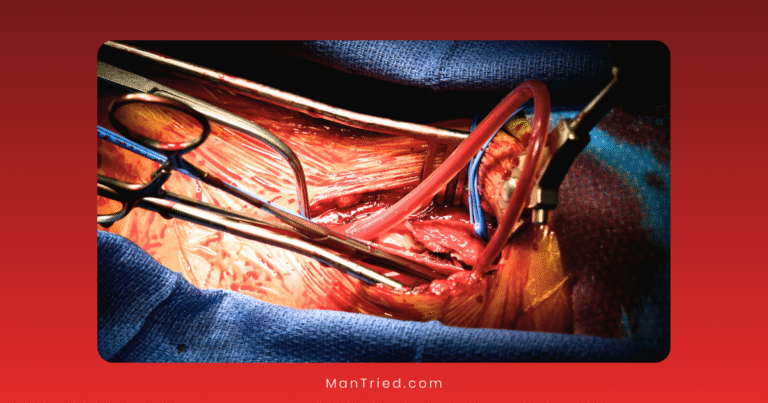
For severe cases, surgical options like plication, grafting, or penile implants remain the standard. However, these invasive procedures carry significant risks including penile shortening, erectile dysfunction, and numbness.
Regenerative medicine takes a fundamentally different approach. Rather than merely treating symptoms or surgically altering anatomy, these therapies aim to reverse the disease process itself by:
Let’s explore the most promising regenerative approaches for Peyronie’s disease in 2025:
Stem cell therapy has emerged as perhaps the most exciting frontier in Peyronie’s treatment.
Stem cells are the body’s master cells—capable of transforming into different cell types and orchestrating tissue repair. When injected into Peyronie’s plaques, they can:
Several types of stem cells are showing promise for Peyronie’s:
Adipose-Derived Stem Cells (ADSCs) Harvested from a patient’s own fat tissue, these cells are abundant and easily accessible. A 2023 pilot study published in European Urology showed that men receiving ADSC injections experienced an average 31° reduction in curvature and significant improvement in erectile function.
Bone Marrow-Derived Stem Cells (BMSCs) These cells, extracted from bone marrow, have shown particular promise for cases with concurrent erectile dysfunction. A recent clinical trial reported that 67% of patients experienced improved erectile function after BMSC treatment.
Wharton’s Jelly Stem Cells Derived from umbilical cord tissue, these cells have gained attention for their potent regenerative properties and low risk of rejection. According to BioXcellerator, a leading regenerative medicine clinic, these cells are particularly promising due to their youth and potency.
Placental Stem Cells A 2015 human study using placental stem cells showed significant improvements in both erectile function and reductions in plaque size, suggesting these cells may offer dual benefits.
A typical stem cell procedure for Peyronie’s includes:
Dr. Amy Pearlman, Director of Men’s Health at the University of Iowa, notes: “What’s particularly exciting about stem cell therapy is that we’re seeing improvements not just in curvature, but in erectile function and penile sensation as well—addressing the full spectrum of Peyronie’s symptoms.”
While stem cells work as cellular repair crews, PRP delivers concentrated healing factors directly to damaged tissue.
PRP is derived from the patient’s own blood, which is processed to isolate and concentrate platelets—cell fragments rich in growth factors that orchestrate tissue repair. When injected into Peyronie’s plaques, these growth factors:
A 2017 study highlighted by MedAmor Health showed that men receiving PRP injections experienced:
“What makes PRP particularly attractive is its safety profile,” explains Dr. Paul Turek, a men’s reproductive health specialist. “Since we’re using the patient’s own blood components, the risk of adverse reactions is minimal.”
A typical PRP procedure for Peyronie’s involves:
Most patients require 3-6 treatments spaced 4-6 weeks apart for optimal results.
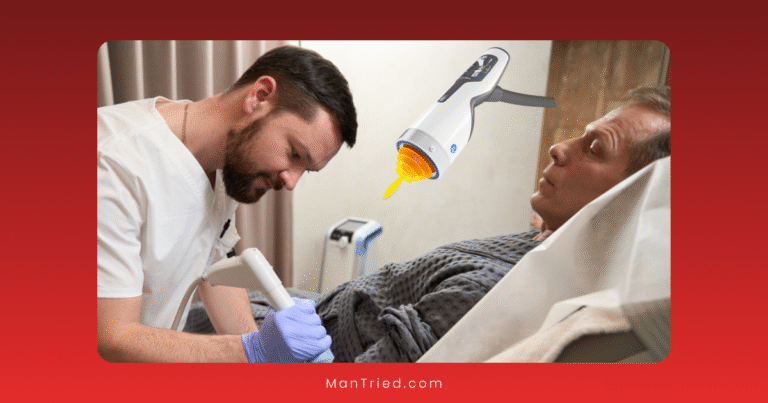
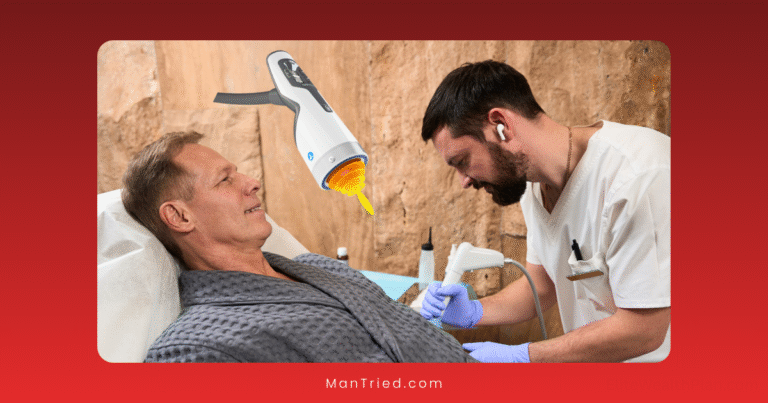
While technically not a cellular therapy, low-intensity shockwave therapy has earned its place in the regenerative medicine arsenal for Peyronie’s disease.
LiSWT uses acoustic pressure waves to:
According to a 2023 meta-analysis, LiSWT has shown particular promise for men with both Peyronie’s disease and erectile dysfunction—a common combination that complicates treatment.
LiSWT is notably different from other regenerative approaches:
“The 2025 shockwave devices represent a significant advancement over earlier models,” notes Dr. Rafael Carrion, Professor of Urology at the University of South Florida. “We’re seeing more precise energy delivery, better targeting of plaques, and consequently, improved outcomes.”
Perhaps the most exciting development in 2025 is the emergence of combination protocols that leverage multiple regenerative approaches simultaneously.
This combination leverages the cellular regeneration capabilities of stem cells with the growth factors in PRP. A 2024 study found that this combination resulted in:
This protocol uses shockwave therapy to “prepare the ground” before stem cell injection. The shockwaves:
Early results from this approach show promise, with one clinic reporting an average 43° reduction in curvature—significantly better than historical results from single therapies.
While regenerative approaches offer new hope, they’re not universally effective for all Peyronie’s patients. Current evidence suggests the best candidates are:
Dr. Mohit Khera, Professor of Urology at Baylor College of Medicine, advises: “Patient selection is crucial. We’re seeing the best results in men who seek treatment early, before plaques become heavily calcified and before significant erectile dysfunction develops.”
Beyond clinical data, patient experiences provide valuable insights into these treatments.
Michael, 52, who received stem cell therapy in early 2025, shares: “After two years of trying various pills and creams with no improvement, I was considering surgery. The stem cell treatment was surprisingly simple—just a few injections. Six months later, my curvature has decreased from about 45 degrees to less than 15, and sex is comfortable again for the first time in years.”
James, 61, who opted for a combination of PRP and shockwave therapy, reports: “The improvement wasn’t overnight, but after completing the full treatment protocol, both my wife and I noticed a significant difference. The curve is still there but much less pronounced, and my erections are actually stronger than before Peyronie’s developed.”
While regenerative treatments offer new hope, there are practical considerations:
As we look beyond 2025, several developments are on the horizon:
Rather than using whole cells, some researchers are focusing on exosomes—tiny vesicles released by stem cells that carry much of their regenerative power. Early research suggests exosomes may offer similar benefits with easier storage and fewer regulatory hurdles.
Scientists are developing injectable matrices combined with regenerative cells specifically designed to replace Peyronie’s plaques with healthy tissue.
Targeting the genetic factors that predispose some men to excessive scarring could prevent Peyronie’s development or recurrence after treatment.
For the millions of men suffering from Peyronie’s disease, regenerative medicine represents the most significant treatment advancement in decades. While not a guaranteed cure for everyone, these approaches offer something previously unavailable: the potential to actually reverse the disease process rather than merely managing symptoms.
If you’re struggling with Peyronie’s disease, consider consulting with a urologist specializing in men’s sexual health and regenerative medicine to determine if these cutting-edge treatments might be right for you.