🛍️ Products
❤️ Health
🌿 Wellness
💪 Performance
🤝 Relationships
🛍️ Products
❤️ Health
🌿 Wellness
💪 Performance
🤝 Relationships

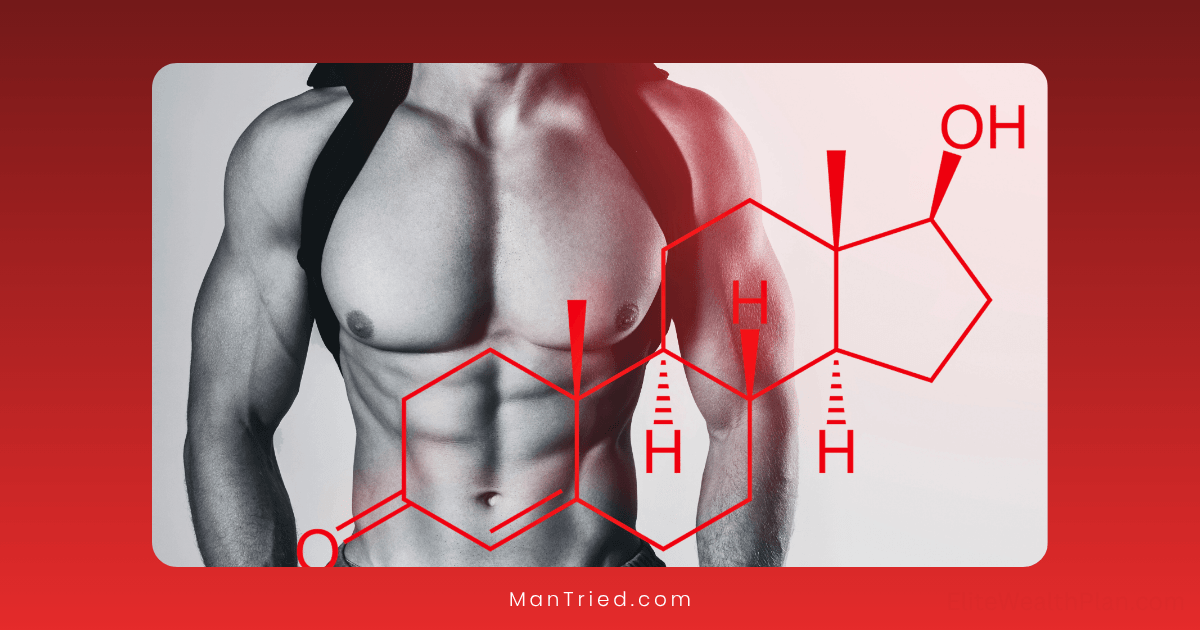
In recent years, there’s been increasing attention on the relationship between testosterone and male sexual desire. As testosterone levels in men continue to decline across populations—with studies showing significantly lower average levels than just a few decades ago—understanding this crucial hormone’s role in libido has never been more important.
This comprehensive guide explores the testosterone-libido connection, helping men understand how this vital hormone influences sexual desire, what happens when levels drop, and what evidence-based options exist for those experiencing issues.
Testosterone is often called the “male hormone,” though it’s present in both men and women (albeit in different amounts). In men, it’s primarily produced in the testicles and serves several critical functions:
According to Harvard Health, testosterone plays a fundamental role in regulating sex drive in men throughout their lives. While it’s not the only factor influencing libido, it creates the physiological foundation upon which sexual desire is built.
Recent research has documented a concerning trend: testosterone levels in American men have been steadily declining for decades. A landmark study published in the Journal of Clinical Endocrinology & Metabolism confirmed a marked decline across age groups over the past 20 years, even when controlling for factors like obesity and smoking.
The Los Angeles Times reports that today’s average male has significantly lower testosterone than men of the same age in the 1980s. This population-wide decline may help explain why sexual health issues are becoming increasingly common.
The relationship between testosterone and libido involves complex biological mechanisms:
Testosterone influences key brain regions involved in sexual arousal and desire:
Dr. Michael Eisenberg, Director of Male Reproductive Medicine at Stanford, explains: “Testosterone essentially primes the brain’s reward system to respond to sexual cues and opportunities. When levels are optimal, this system works efficiently; when levels drop, the brain becomes less responsive to sexual stimuli.”
Beyond mental desire, testosterone directly affects physical sexual response:
Testosterone also affects psychological aspects of sexuality:
Unlike the sudden drop in hormones women experience during menopause, men typically experience a gradual decline in testosterone with age—often called “andropause” or “male menopause.” According to Houston Methodist:
This gradual decline explains why many men notice a slow reduction in sexual desire as they age.
While decreased sexual desire is often the most noticeable symptom, low testosterone typically presents with a constellation of issues:
Dr. Rachel Carlton of the Marion Gluck Clinic notes that “many men attribute these symptoms simply to ‘getting older,’ when in fact they may be experiencing a treatable hormonal imbalance.”
Clinically, low testosterone (hypogonadism) is defined as:
However, it’s important to note that “optimal” levels vary between individuals. Some men experience symptoms at levels that technically fall within normal range, while others feel fine with relatively low levels.
Understanding what drives testosterone decline can help men take preventative steps:
Several modifiable factors significantly impact testosterone production:
Various health conditions can affect testosterone levels:
Several medications can lower testosterone, including:
Recent studies have clarified the relationship between testosterone and sexual desire:
Research suggests testosterone has a “threshold effect” on libido—meaning that once levels reach a certain minimum, additional increases don’t necessarily enhance desire. This threshold varies between individuals but typically falls between 300-500 ng/dL.
A 2023 meta-analysis published in the Journal of Sexual Medicine found that men with testosterone levels below 300 ng/dL who received testosterone therapy experienced significant improvements in sexual desire, while those with levels above 500 ng/dL showed minimal additional benefit.
The relationship between testosterone and libido isn’t simply about total hormone levels. Other factors matter:
The testosterone-libido connection also has important psychological components:
Before considering medical interventions, several evidence-based approaches can help optimize testosterone naturally:
Research published in the Journal of Endocrinology shows these lifestyle changes can significantly impact testosterone levels:
The Marion Gluck Clinic recommends:
While many supplements claim to boost testosterone, few have solid scientific backing. Those with the strongest evidence include:
When lifestyle modifications aren’t enough, medical options may be appropriate:
According to the New York Times, testosterone therapy prescriptions increased from 7.3 million to over 11 million between 2019 and 2024, reflecting growing awareness of testosterone’s importance.
TRT comes in several forms:
Research shows that men with documented low testosterone who undergo TRT typically experience:
A 2024 meta-analysis found that approximately 70% of men with low testosterone reported significant improvements in libido within 3-6 months of starting therapy.
TRT isn’t without potential downsides:
Importantly, in February 2025, the FDA removed the black box warning regarding cardiovascular risks associated with testosterone therapy, reflecting updated research showing TRT does not increase cardiovascular risk when appropriately prescribed and monitored.
For men who cannot or choose not to use TRT, alternatives include:
Consider consulting a healthcare provider if you experience:
Dr. Steven Lamm, Medical Director of the NYU Langone Preston Robert Tisch Center for Men’s Health, recommends: “Don’t wait until your symptoms become severe. Early intervention typically leads to better outcomes and may prevent the cascade of psychological and relationship issues that often develop when sexual problems are ignored.”
Not all healthcare providers are equally knowledgeable about testosterone and sexual health. Consider:
Ask potential providers about their approach to diagnosis, treatment options beyond medication, and how they monitor treatment effectiveness and safety.
The connection between testosterone and libido is clear and significant. While declining testosterone levels are common with age, severe drops that impact quality of life are neither inevitable nor untreatable.
By understanding this crucial hormonal relationship, making appropriate lifestyle changes, and seeking qualified medical help when needed, men can maintain healthy sexual desire and function throughout their lives.
Remember that sexuality is multifaceted—while testosterone provides the biological foundation for libido, emotional connection, relationship satisfaction, and psychological well-being all play important roles in a fulfilling sex life.
Have you noticed changes in your libido? What approaches have you found helpful? Share your experiences in the comments below.