🛍️ Products
❤️ Health
🌿 Wellness
💪 Performance
🤝 Relationships
🛍️ Products
❤️ Health
🌿 Wellness
💪 Performance
🤝 Relationships

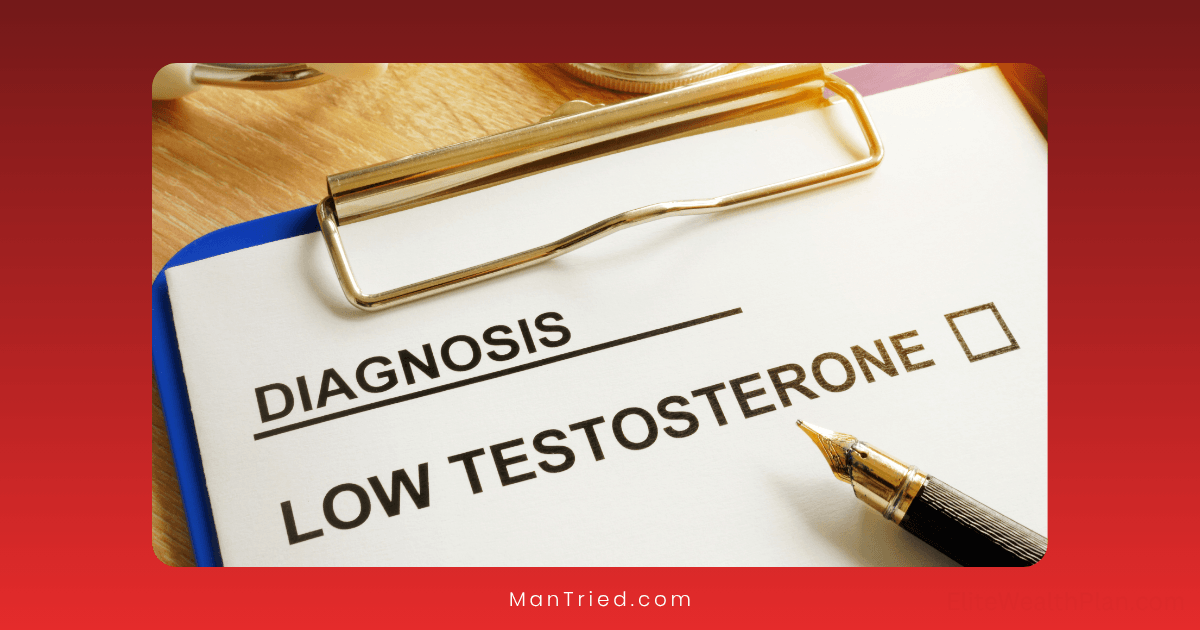
When most men hear “low testosterone,” their thoughts immediately jump to sexual health concerns. While decreased libido and erectile dysfunction are indeed common symptoms, testosterone’s influence extends far beyond the bedroom. This vital hormone affects nearly every system in the male body, and its decline can manifest in surprising ways that many men fail to recognize.
“I just thought I was getting older,” says Michael, 52, who discovered his testosterone levels were significantly below normal during a routine physical. “The fatigue, mood changes, and weight gain—I attributed it all to age and stress. I had no idea these were warning signs of a hormonal issue.”
Michael’s experience isn’t unique. According to the Urology Health Foundation, approximately 2.1% of men suffer from testosterone deficiency, with rates climbing dramatically with age—reaching nearly 50% in men over 80. Yet many cases go undiagnosed because men and even some healthcare providers focus exclusively on sexual symptoms.
This comprehensive guide explores the lesser-known warning signs of low testosterone, helping you identify potential issues before they significantly impact your quality of life.
Before diving into symptoms, let’s clarify what constitutes “low testosterone” (often called Low-T or hypogonadism in medical terms).
Testosterone is the primary male sex hormone, responsible for developing male reproductive tissues and promoting secondary sexual characteristics like increased muscle mass, body hair, and deeper voice. It also plays crucial roles in metabolism, bone density, red blood cell production, and cognitive function.
According to the Cleveland Clinic, the American Urological Association defines low testosterone as blood levels below 300 nanograms per deciliter (ng/dL), though some experts suggest that levels below 250 ng/dL should be considered clinically significant.
Testosterone production naturally declines with age—typically about 1-2% annually after age 40—but various health conditions, medications, and lifestyle factors can accelerate this decline.
While sexual symptoms often grab attention, these seven non-sexual signs might be your body’s way of signaling declining testosterone levels.
One of the most common yet overlooked symptoms of low testosterone is a profound and persistent sense of fatigue that doesn’t improve with rest.
What it feels like: Men with Low-T often describe feeling constantly drained, lacking the energy for daily activities they once enjoyed. This isn’t the normal tiredness after a busy day—it’s a deep, persistent exhaustion that sleep doesn’t seem to fix.
“I was sleeping 8-9 hours but still waking up exhausted,” reports James, 47. “Coffee barely made a dent. By mid-afternoon, I felt completely depleted, which wasn’t like me at all.”
According to Advanced Urology of Westchester, this fatigue occurs because testosterone plays a key role in maintaining energy levels and supporting cellular function throughout the body.
Low testosterone significantly impacts how your body distributes and maintains fat and muscle, often leading to noticeable physical changes.
What to watch for:
Research indicates that testosterone directly influences metabolism and muscle protein synthesis. When levels drop, the body becomes less efficient at building and maintaining muscle while simultaneously becoming more prone to fat storage, especially around the abdomen.
A 2025 study found that men with low testosterone had, on average, 5-10% less muscle mass than age-matched controls with normal testosterone levels.
Testosterone significantly influences brain function, and declining levels can manifest in various psychological and cognitive symptoms.
Common experiences include:
According to Game Day Men’s Health, these mood issues aren’t just coincidental—testosterone directly affects neurotransmitter function and brain chemistry. The connection is so strong that some men are misdiagnosed with primary depression when the root cause is actually hormonal.
The relationship between testosterone and sleep is bidirectional—poor sleep can lower testosterone, and low testosterone can disrupt sleep patterns.
What it looks like:
Research suggests that up to 50% of men with low testosterone experience sleep problems, creating a vicious cycle where hormonal imbalance leads to poor sleep, which further reduces testosterone production.
While not immediately noticeable, declining bone density is a serious consequence of low testosterone that increases fracture risk as men age.
Testosterone helps maintain bone density by supporting the activity of osteoblasts (cells that build bone) and regulating bone resorption. When levels drop, bones gradually become more porous and fragile.
The first sign might be a fracture from relatively minor trauma, height loss, or back pain from vertebral compression. Regular bone density screening is advisable for men with confirmed low testosterone.
Many men with low testosterone notice changes in their physical performance well before they connect it to hormonal issues.
What you might experience:
“I couldn’t understand why my performance was declining despite maintaining my routine,” says Robert, 55. “My weights were going down, not up, and I felt wiped out after workouts that used to energize me.”
The Louisiana Heart Hospital notes that healthy testosterone levels are crucial for maintaining exercise stamina and supporting the body’s recovery processes.
Testosterone stimulates red blood cell production, and low levels can lead to mild anemia, which further contributes to fatigue and reduced exercise capacity.
Symptoms might include:
This symptom often goes unrecognized but can significantly impact quality of life and should be evaluated during testosterone deficiency assessment.
Understanding risk factors can help you determine if you should be particularly vigilant about testosterone-related symptoms.
While age is the most obvious risk factor, with testosterone declining approximately 1% annually after age 30, certain conditions and lifestyle factors can accelerate this decline:
If you’re experiencing multiple symptoms mentioned above, especially if they’re affecting your quality of life, it’s worth discussing testosterone levels with your healthcare provider. Here’s what to expect:
While testosterone replacement therapy (TRT) is a common treatment for confirmed cases of Low-T, several approaches may help address symptoms:
For mild cases or as complementary strategies, these lifestyle changes can help optimize testosterone levels:
For clinically significant Low-T, treatment options include:
Low testosterone’s impact extends far beyond sexual function, affecting energy, mood, body composition, cognitive function, and overall health. Recognizing these broader warning signs can lead to earlier diagnosis and more effective treatment.
If you’re experiencing multiple symptoms discussed in this article, don’t dismiss them as inevitable signs of aging. Speak with your healthcare provider about your concerns and whether testing your testosterone levels might be appropriate.
With proper diagnosis and treatment, many men experience significant improvement in symptoms and quality of life, regardless of age.
Have you experienced any of these non-sexual symptoms of low testosterone? What prompted you to seek help? Share your experiences in the comments below to help others who might be facing similar challenges.