🛍️ Products
❤️ Health
🌿 Wellness
💪 Performance
🤝 Relationships
🛍️ Products
❤️ Health
🌿 Wellness
💪 Performance
🤝 Relationships

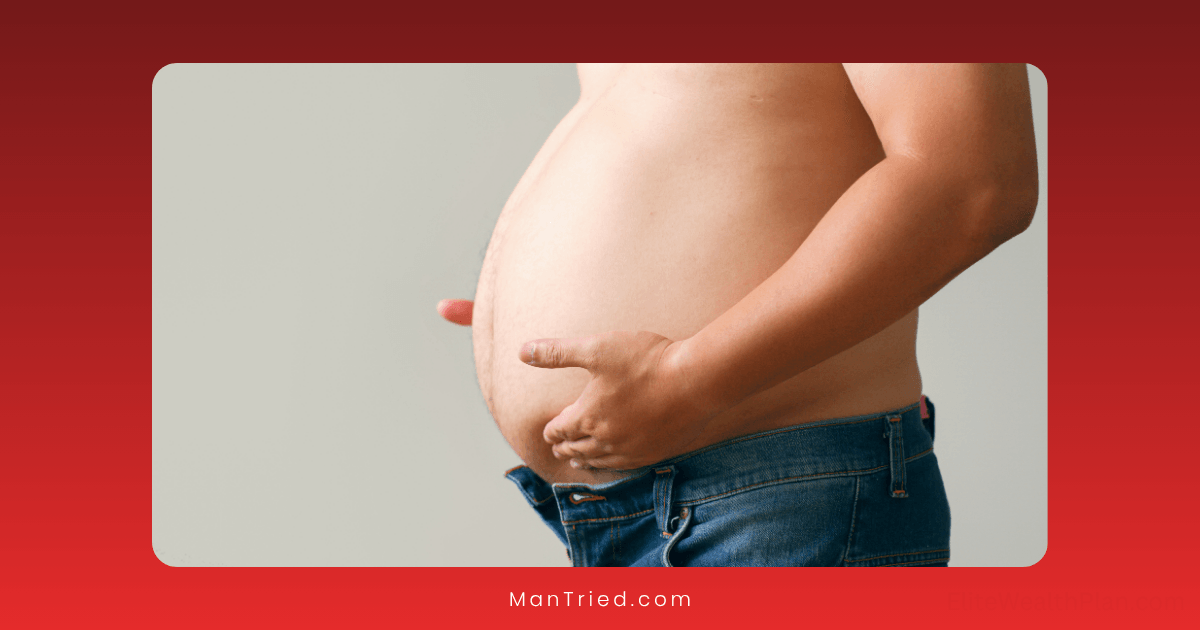
When it comes to erectile dysfunction (ED), many men immediately think of psychological factors or age-related issues. However, growing research points to a less obvious but powerful culprit hiding in plain sight: visceral fat.
Unlike the subcutaneous fat that you can pinch under your skin, visceral fat wraps around your internal organs and silently sabotages your sexual health through multiple biological pathways. Understanding this connection could be the key to addressing ED at its root cause for millions of men.
Visceral fat, often referred to as “hidden fat” or “belly fat,” is metabolically active tissue that surrounds vital organs in your abdomen. While a certain amount is normal, excess visceral fat operates like an organ itself—secreting hormones and inflammatory compounds that wreak havoc throughout your body.
According to research published in the National Library of Medicine, men with erectile dysfunction have significantly higher visceral adiposity index (VAI) scores compared to those without ED. The study found that men in the highest quartile of visceral fat had more than double the odds of developing erectile dysfunction compared to those in the lowest quartile.
But what exactly makes visceral fat so detrimental to erectile function? Let’s explore the biological mechanisms at work.
Healthy erections depend on proper blood flow to the penis, which requires functional endothelial cells—the cells that line your blood vessels. Visceral fat directly damages these cells through several mechanisms:
“The endothelial cells are like gatekeepers for erections,” explains Dr. Michael Reitano, sexual health specialist. “When visceral fat damages these cells, it’s like cutting power to the system that controls blood flow to the penis.”
Visceral fat doesn’t just affect blood vessels—it fundamentally alters your hormonal environment:
Studies show that obese men are nearly nine times more likely to have low testosterone levels compared to men at a healthy weight. According to Memphis Men’s Clinic, this hormonal imbalance significantly impairs libido, erectile function, and overall sexual satisfaction.
Visceral fat is strongly associated with insulin resistance—a condition where cells become less responsive to insulin, leading to higher blood sugar levels. This metabolic disruption affects erectile function in several ways:
Research published in Frontiers in Endocrinology found that 52% of men with ED have insulin resistance, highlighting this as a major connecting factor between visceral fat and erectile dysfunction.
Perhaps the most insidious effect of visceral fat is the chronic, low-grade inflammation it creates throughout the body:
“Think of inflammation as a slow-burning fire that gradually damages the systems necessary for healthy erectile function,” notes urologist Dr. Sarah Thompson. “By the time ED symptoms appear, this inflammatory process has often been active for years.”
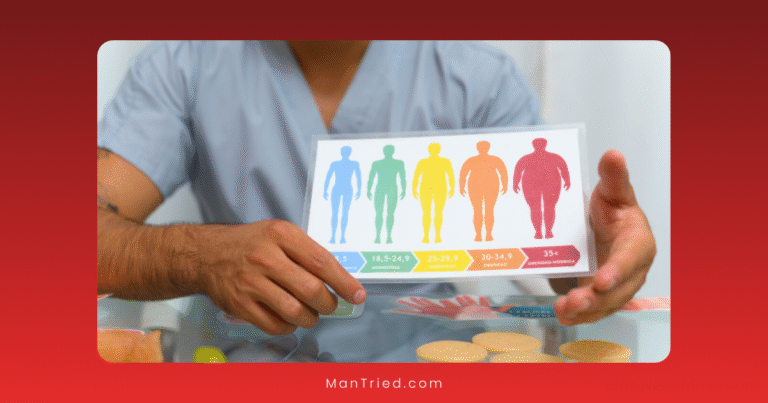
While sophisticated imaging techniques like CT scans can precisely measure visceral fat, there are simpler methods to assess your risk:
Research published in 2023 found that a man with a 42-inch waistline is 50% more likely to have ED compared to a man with a 32-inch waistline, independent of other risk factors.
The good news? Visceral fat responds well to lifestyle interventions, often more quickly than subcutaneous fat. Here are evidence-based strategies specifically shown to reduce visceral fat and improve erectile function:
Not all exercise equally affects visceral fat. Research indicates these approaches are most effective:
“The combination of HIIT and resistance training creates a powerful one-two punch against visceral fat,” explains exercise physiologist Dr. James Chen. “HIIT primarily reduces fat stores, while resistance training improves the metabolic environment that prevents fat from returning.”
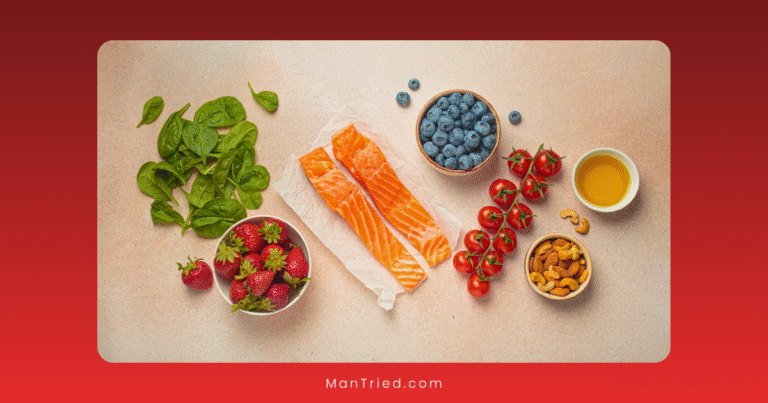
Diet plays a crucial role in both reducing visceral fat and improving erectile function:
“The foods that reduce visceral fat also improve erectile function through multiple pathways,” notes registered dietitian Maria Rodriguez. “It’s not just about weight loss—it’s about creating a biochemical environment that supports healthy blood flow and hormone balance.”
Poor sleep quality directly contributes to visceral fat accumulation and erectile dysfunction:
Chronic stress increases cortisol, which promotes visceral fat storage specifically in the abdominal area:
James, 48: “After learning my waist measurement put me at high risk for ED, I started a HIIT program three times weekly and adopted a Mediterranean diet. Within six months, I lost four inches from my waist, and my ED symptoms completely resolved. My doctor was amazed that my erectile function improved before I reached my weight loss goal.”
Ray, 52: “I’d tried ED medications with limited success. When my doctor explained how my visceral fat was affecting blood flow, I focused on reducing inflammation through diet and exercise. After losing 15% of my body weight over eight months, my need for ED medication decreased significantly, and my confidence returned.”
Walter, 45: “Sleep apnea treatment was my turning point. After starting CPAP therapy and losing visceral fat through diet changes, both my energy levels and erectile function improved dramatically within three months.”
These experiences align with clinical research. A study published in the Journal of the American Medical Association found that approximately one-third of obese men with erectile dysfunction were able to restore normal erectile function through lifestyle changes that reduced visceral fat, without medication.
When targeting visceral fat to improve erectile function, understanding the typical timeline helps set realistic expectations:
“The body responds to reduced visceral fat relatively quickly,” explains Dr. Robert Johnson, endocrinologist. “Many men see improvements in erectile function even before reaching their ideal weight, which provides powerful motivation to continue.”
Addressing visceral fat improves more than just erectile function:
The connection between visceral fat and erectile dysfunction represents both a challenge and an opportunity. While excess visceral fat creates a perfect storm of conditions that impair erectile function—from damaged blood vessels to hormonal imbalances—targeted strategies to reduce this specific type of fat can yield remarkable improvements in sexual health.
For the millions of men experiencing erectile dysfunction, understanding this hidden link offers a pathway to address the root cause rather than just managing symptoms. By implementing evidence-based approaches to reduce visceral fat, many men can experience significant improvements in erectile function, often without medication.
If you’re struggling with ED and have excess abdominal fat, discussing this connection with your healthcare provider could be the first step toward comprehensive treatment that addresses the underlying cause of your symptoms.
Have you experienced improvements in erectile function after reducing visceral fat? Share your experience in the comments below.