🛍️ Products
❤️ Health
🌿 Wellness
💪 Performance
🤝 Relationships
🛍️ Products
❤️ Health
🌿 Wellness
💪 Performance
🤝 Relationships

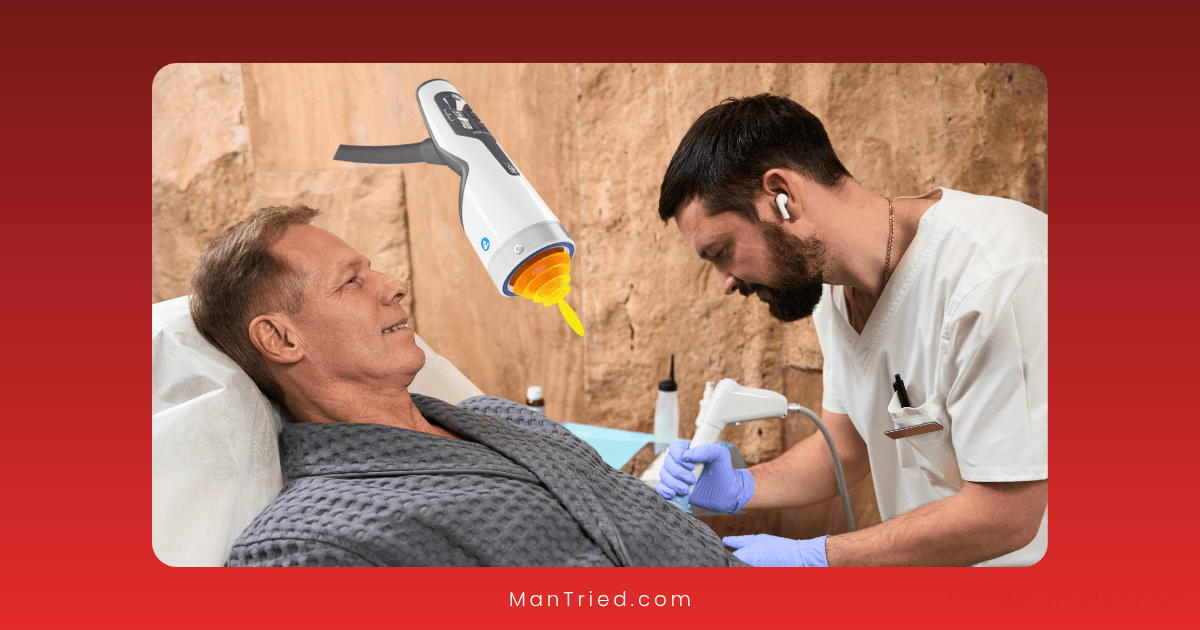
If you’ve been struggling with chronic pain or certain medical conditions that haven’t responded to traditional treatments, you may have heard about shockwave therapy. This innovative, non-invasive treatment has gained popularity for its effectiveness in treating various conditions—from musculoskeletal issues to erectile dysfunction. But the question remains: Are you an ideal candidate for this treatment? Let’s dive into what makes someone a good fit for shockwave therapy and help you determine if it might be right for you.
Before we explore who benefits most from this treatment, let’s clarify what shockwave therapy actually is.
Shockwave therapy (also known as extracorporeal shockwave therapy or ESWT) uses acoustic pressure waves to stimulate healing in damaged tissues. These high-energy sound waves create microtrauma in the targeted area, which triggers the body’s natural healing response. This leads to:
“Unlike many treatments that simply mask pain, shockwave therapy actually addresses the underlying cause by stimulating your body’s own healing mechanisms,” explains Dr. Robert Johnson, a physical medicine specialist at the Mayo Clinic.
You might be an excellent candidate if you suffer from conditions such as:
According to a study published in the Journal of Orthopaedic Surgery and Research, patients with these conditions who haven’t responded to at least 3-6 months of conservative treatments often see significant improvement with shockwave therapy.
If you’re a man dealing with erectile dysfunction (ED), particularly vascular-related ED, shockwave therapy might be worth considering. The ideal candidates in this category typically:
The University of Utah Health notes that “shockwave therapy is recommended for men with mild erectile dysfunction who do not respond well to medications or prefer not to take them.”
One of the most common characteristics of ideal shockwave therapy candidates is that they’ve already tried standard treatments without success. This might include:
“Shockwave therapy often serves as an intermediate option between conservative care and more invasive procedures like surgery,” says Dr. Michelle Garcia, sports medicine physician at UCHealth.
If you’re an athlete or active individual looking to avoid surgery and lengthy recovery periods, shockwave therapy might be particularly appealing. Ideal candidates in this category:
While shockwave therapy is safe for many people, certain conditions may disqualify you as a candidate. You should likely avoid this treatment if you have:
If you do qualify as an ideal candidate, here’s what you can expect from the shockwave therapy process:
Most conditions require:
“Most patients describe the sensation as a series of taps or pulses that may cause mild discomfort but is generally well-tolerated,” explains Dr. James Williams, physical therapist at Flawless Feet.
Understanding realistic expectations is important when considering shockwave therapy:
Research published in the American Journal of Sports Medicine shows success rates of:
Most patients begin to notice improvement after 2-3 sessions, with continued improvement over 3-6 months.
A 2019 meta-analysis published in the Journal of Sexual Medicine found that:
If you’re considering shockwave therapy, prepare to ask your healthcare provider these questions:
Determining if you’re an ideal candidate for shockwave therapy involves careful consideration of your:
“The best candidates approach shockwave therapy with realistic expectations and understand that it’s one tool in a comprehensive treatment approach,” advises Dr. Sarah Thompson, rehabilitation specialist at Cleveland Clinic.
Shockwave therapy offers a promising non-invasive option for many patients who haven’t found relief through traditional treatments. While it’s not right for everyone, those who match the ideal candidate profile often experience significant improvements in pain, function, and quality of life.
If you’re dealing with chronic pain or erectile dysfunction and believe you might be a good candidate for shockwave therapy, consult with a qualified healthcare provider who specializes in this treatment. They can evaluate your specific situation and help you determine if shockwave therapy is the right choice for your journey toward healing and recovery.
Have you tried shockwave therapy? Share your experience in the comments below.